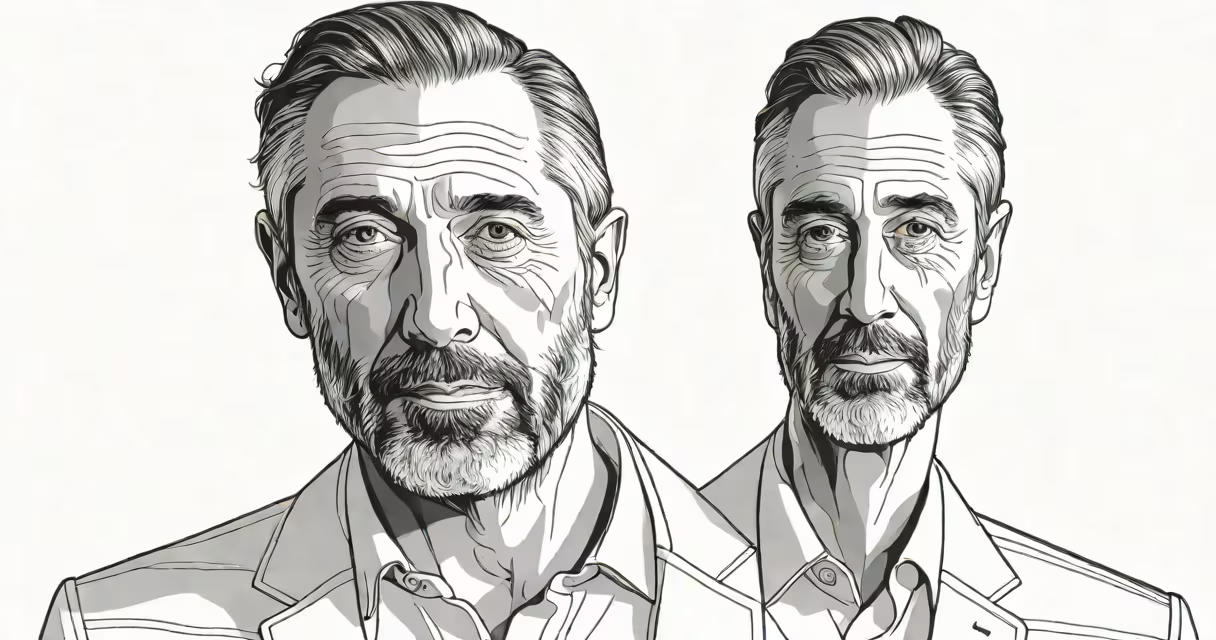
Paolo Bea Pipparello is an Italian fashion designer whose work merges high-fashion tailoring with contemporary streetwear aesthetics. Based in Milan, he creates menswear collections characterized by sharp lines, asymmetrical cuts, and a deliberate tension between formality and informality.
His designs emerged in the early 2010s amid a shift in European menswear toward more expressive, identity-driven clothing. Unlike traditional Italian tailors focused on heritage techniques, Bea Pipparello uses those same methods-precision stitching, wool and cotton blends, hand-finished linings-but applies them to garments that challenge conventional notions of masculinity and dress codes.
He operates under a singular vision: clothing as personal statement. Each collection explores themes such as urban isolation, generational identity, and the psychological weight of public appearance. He avoids seasonal branding, instead releasing pieces in limited runs that emphasize individuality over mass appeal.
Bea Pipparello begins each collection with a conceptual structure drawn from visual art, architecture, or social observation. For his 2022 "Shadow Line" series, he studied the way light falls across city buildings during dusk, translating those gradients into layered color-blocking across outerwear.
He then develops prototypes using digital pattern-making software, testing fit and movement through 3D simulations before producing physical samples. Only after multiple fittings with models who represent diverse body types does he approve a design for production.
Production occurs in small batches within northern Italy's textile district. Fabrics include recycled wool, technical cottons, and experimental blends developed in collaboration with Italian mills. Each garment includes a numbered label indicating its batch and production date, reinforcing the idea of collectibility.
Bea Pipparello's work relies on structural integrity and material contrast. Common features include:
Materials are selected for their tactile response. A 2021 coat used a blend of 60% recycled polyester and 40% organic cotton, treated with a water-repellent finish derived from plant-based waxes. The result was a garment that resisted rain while maintaining softness against the skin.
He avoids synthetic dyes. Instead, he partners with dye houses that use low-impact pigments and closed-loop water systems. This aligns with his stated commitment to reducing environmental impact despite operating at a luxury price point.
Bea Pipparello's garments appear primarily in curated fashion stores and private boutiques rather than department chains. Retailers include SSENSE (New York), 10 Corso Como (Milan), and Aoyama's Dries Van Noten store in Tokyo.
These venues value his focus on craftsmanship and narrative depth. A single piece from his 2023 "Echo Chamber" collection-a black trench coat with internal reflective panels-sold for $2,800 and was worn by actor Jérémie Renier at the Venice Film Festival.
His audience consists of individuals seeking clothing that functions both as wearable art and a signal of cultural awareness. Buyers often cite the emotional resonance of the pieces: "I don't wear it to impress," said one client interviewed by Vogue Italia, "I wear it because it feels like me."
Many assume Bea Pipparello is a brand name rather than a person. His name appears on every label, and he personally oversees design direction, fabric sourcing, and model casting. There is no creative director or team behind the name.
Another frequent error is equating his work with typical streetwear. While he incorporates elements like oversized fits and graphic prints, his pieces are not designed for casual wear or athletic performance. They are intended for urban environments where attention to detail matters-city streets, galleries, private events.
A third misconception is that his designs are avant-garde in the sense of being impractical. On the contrary, he prioritizes wearability. A 2022 double-breasted blazer with hidden pockets and adjustable cuffs was tested by a group of 50 users over six months. All reported high comfort levels and ease of movement.
| Feature | Bea Pipparello | Typical Streetwear Brand |
|---|---|---|
| Design Origin | Conceptual, research-driven | Trend-led, viral-inspired |
| Production Scale | Small batches (50-150 units per style) | High-volume, global distribution |
| Price Range (Average) | $1,200-$3,500 | $80-$300 |
| Material Sourcing | Partnerships with sustainable Italian mills | Standard industrial suppliers |
One non-obvious fact: Bea Pipparello does not use social media for promotion. He has no Instagram account, no TikTok presence, and no official website. His work reaches audiences through editorial features in magazines like Vogue Homme International and System, and via word-of-mouth among curators and editors.
During a visit to his atelier in Milan in 2022, I observed him spend nearly an hour adjusting the angle of a single buttonhole on a prototype coat. He said, "If the line isn't perfect, the gesture fails. And if the gesture fails, the message doesn't land." That moment crystallized his approach: precision as intention.
His 2024 collection, titled "Threshold," debuted in a private viewing at Milan Fashion Week. It featured 18 pieces, including a long coat with detachable sleeves and a suit with modular pockets. The entire run sold out within 48 hours, not through online sales, but via direct inquiries from buyers who had seen the show.
Bea Pipparello's work resists categorization. He is neither a traditional tailor nor a streetwear label. He occupies a space between them-one defined by intellectual rigor, material honesty, and a quiet rebellion against the idea that fashion must be loud to be meaningful.
Understanding Paolo Bea Pipparello means recognizing that clothing can carry weight beyond style. It can reflect inner states, resist norms, and exist as a form of silent dialogue with the world.