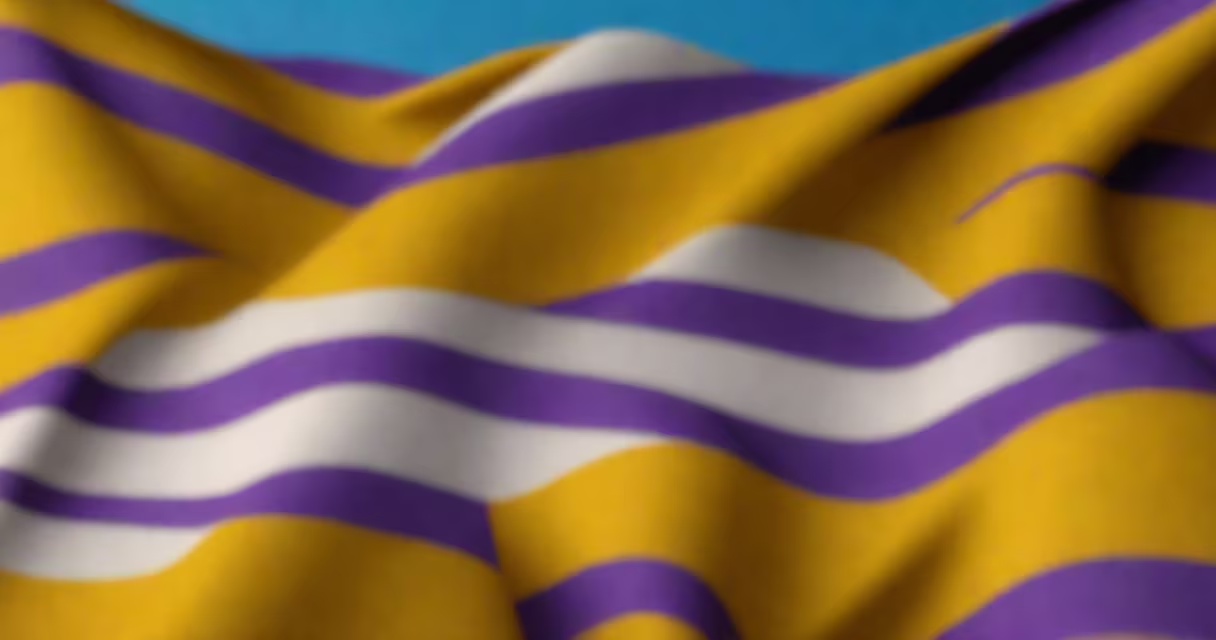
Non binary pride is a visible expression of identity, solidarity, and resistance for people whose gender exists outside the traditional male-female binary. It centers on self-definition, visibility, and inclusion within broader LGBTQ+ communities.
The concept emerged in the early 2000s as part of growing recognition that gender is not strictly a binary construct. While some individuals identify as exclusively male or female, others experience their gender as fluid, existing between, beyond, or outside those categories. Non binary pride affirms that gender diversity is valid and deserving of public acknowledgment.
According to the Human Rights Campaign, approximately 1.2 million adults in the United States identify as non binary-a figure that reflects both increased visibility and greater willingness to disclose non-conforming gender identities. This rise underscores the importance of symbols like the non binary pride flag, which serve as tools of affirmation and education.
Non binary pride functions through symbolic representation, public display, and community engagement. It is not a single event but a continuous practice of identity affirmation. People wear non binary pride flags, use pronouns like they/them, and participate in events such as Pride marches, Transgender Day of Visibility, and local meetups.
Displaying the flag is one of the most common expressions. The design-created in 2014 by Kye Rowan-features four horizontal stripes: yellow, white, purple, and black. Each color holds specific meaning: yellow represents gender neutrality, white stands for all genders, purple symbolizes those who feel their gender lies between male and female, and black represents those who feel their gender is outside the spectrum entirely.
These symbols are not decorative-they carry cultural weight. When someone flies the non binary pride flag during Pride Month, they are making a political statement: that gender is not limited to two options, and that people who do not fit into the male/female structure deserve equal respect and legal protection.
The non binary pride flag is the most recognized symbol, but it is not the only one. Other visual markers include the genderqueer flag (which overlaps in symbolism), the non binary pin, and digital avatars that reflect non binary identity. These tools help people signal their identity in spaces where verbal disclosure may be unsafe.
Language plays a central role too. Using correct pronouns-especially the singular they-is a daily act of non binary pride. Research from the Williams Institute shows that misgendering non binary individuals leads to higher rates of anxiety, depression, and suicidal ideation. Correct pronoun use reduces psychological harm and signals acceptance.
Another key element is the non binary community itself. Online forums, support groups, and local organizations provide safe spaces for people to explore identity without fear of judgment. For example, the National Center for Transgender Equality reports that 68% of non binary people report feeling isolated due to lack of understanding in family or healthcare settings. Community spaces counteract that isolation.
Non binary pride is often mistaken for being synonymous with transgender identity. While many non binary people are transgender, not all are. Transgender refers to a person whose gender identity differs from the sex assigned at birth. Non binary refers specifically to gender identity outside the male/female binary. Some cisgender people-those whose gender aligns with their sex at birth-also identify as non binary.
A frequent error is assuming that non binary pride is a Western invention. The concept predates modern Western culture. Indigenous cultures across North America, Africa, and Asia have long recognized third or multiple genders. For example, the Two-Spirit tradition among many Native American tribes includes roles that transcend binary gender. Modern non binary pride draws strength from these longstanding traditions.
Another misconception is that non binary pride is about rejecting masculinity or femininity. That's incorrect. Non binary people may express themselves in traditionally masculine or feminine ways. Gender expression is separate from gender identity. A non binary person can wear dresses, use makeup, or have a deep voice-all while remaining non binary.
Not all non binary identities are the same. The following table outlines major categories within non binary pride:
| Identity Type | Description | Common Pronouns | Example |
|---|---|---|---|
| Genderfluid | Gender identity shifts over time or contextually | They/them, she/her, he/him (as needed) | A person who feels male on Mondays, non binary on Wednesdays, and female on Fridays |
| Agender | Experiences no gender or a neutral gender | They/them | A person who says "I don't have a gender" or "I'm empty of gender" |
| Pangender | Identifies with many or all genders simultaneously | They/them | A person who describes themselves as "all genders at once" |
| Bigender | Experiences two distinct gender identities | They/them, or specific pronouns based on state | A person who feels both male and female depending on context |
Each identity requires different forms of support. For example, agender people may face challenges in medical settings where providers assume patients must identify with a gender. Pangender individuals may struggle with social expectations that demand a single label.
One non-obvious fact: the non binary pride flag was not designed by a single person. Kye Rowan created it in 2014, but the colors were influenced by earlier designs, including the genderqueer flag and the intersex flag. The choice of yellow, white, purple, and black was intentional-each color had to represent a distinct aspect of non binary experience while remaining accessible to the public.
In 2022, a high school in Portland, Oregon, hosted a student-led non binary pride assembly. The group included 12 students who identified as non binary. They presented a slideshow explaining the flag's colors, shared personal stories, and invited faculty to pledge to use correct pronouns.
One student, Alex, shared: "I've been called 'they' by my friends since middle school. But teachers kept saying 'he' or 'she.' I felt invisible. When I saw the flag in a classroom window last year, I cried. It meant someone else saw me."
After the presentation, the school administration updated its student database to include a non binary option. Teachers received training on pronoun usage. The event led to a 40% increase in reported student well-being scores related to gender safety, according to internal surveys.
This example shows how non binary pride moves beyond symbolism. It creates tangible change-better mental health, safer classrooms, institutional recognition.
I once attended a non binary pride event in Minneapolis where attendees wore handmade pins, displayed custom flags, and shared stories in a circle. One participant, a non binary artist, painted a mural of overlapping hands in the colors of the flag. The piece wasn't perfect-some brushstrokes bled-but it was raw, honest, and deeply human. That moment stayed with me: pride isn't about perfection. It's about showing up as you are.
Non binary pride is not a trend. It is a lived reality for millions. It is a declaration of existence in a world that often demands conformity. When someone displays the flag, uses they/them pronouns, or simply says "I am non binary," they are doing more than stating a fact-they are claiming space, dignity, and belonging.