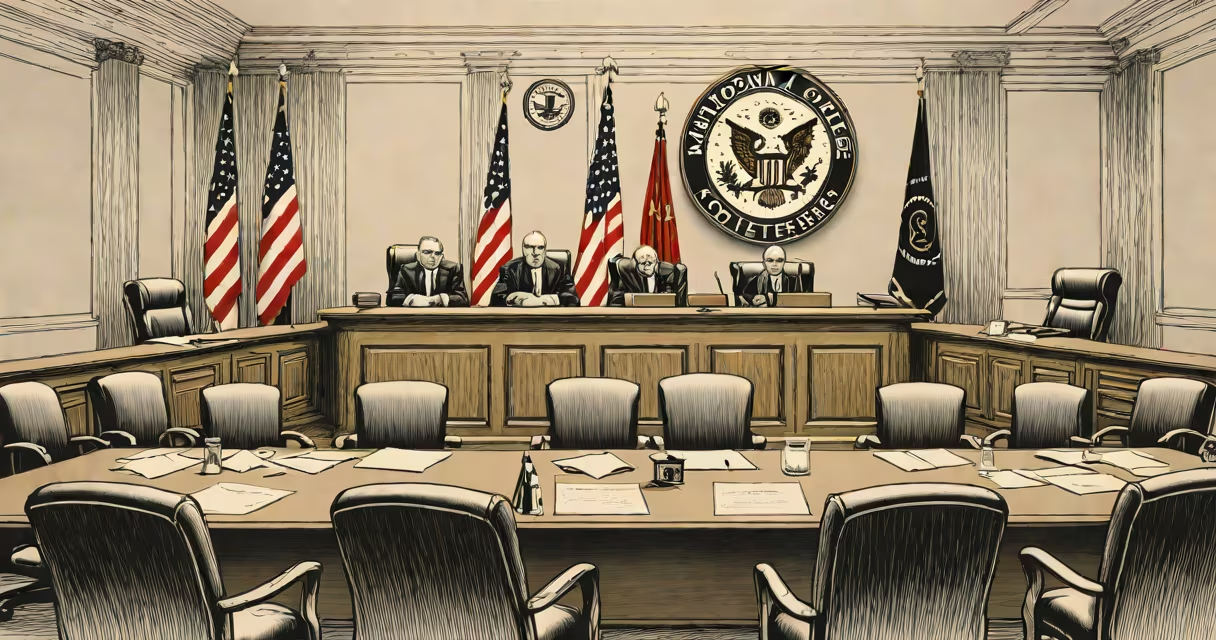
The national lotteries board is a government agency responsible for regulating and overseeing state-run lottery programs, ensuring they operate fairly, transparently, and in compliance with legal standards. It sets policies, monitors financial integrity, and enforces rules to protect players and maintain public trust.
Established under federal and state statutes, the national lotteries board does not run lotteries directly. Instead, it supervises the entities that do-typically state agencies or private contractors licensed by individual states. Its mandate includes auditing revenue distribution, verifying draw randomness, and investigating fraud or misconduct. In the United States, this role is fulfilled by the National Association of State Lottery Administrators (NASLA), though no single federal body holds exclusive authority over all state lotteries.
For example, the New York State Lottery operates under the oversight of the New York State Gaming Commission, which reports to the state's executive branch. While no single "national" board exists federally, the term often refers to coordinated efforts among state commissions to standardize practices and share intelligence on fraudulent activity. The board helps proceeds from ticket sales go toward approved public purposes such as education funding, as required by law.
The national lotteries board functions through a combination of policy development, audit execution, and inter-agency coordination. It establishes minimum standards for game design, prize structures, and player protection measures. These standards are enforced through regular audits of lottery operators' systems and financial records.
When a state launches a new lottery game-such as a scratch-off ticket or a numbers-based draw-the national lotteries board reviews the game's mechanics for fairness and compliance. This includes testing random number generation algorithms to confirm they produce truly unpredictable outcomes. For instance, in 2019, the Pennsylvania Lottery discovered a flaw in a scratch-off game's algorithm that allowed players to predict winning tickets. The issue was flagged during a routine audit conducted under guidelines set by the NASLA, which acts as a de facto coordinating body for national oversight.
Regulatory enforcement is carried out through penalties, suspension of licenses, or mandatory system upgrades. In 2021, a vendor in Michigan lost its contract after failing to meet security protocols for online ticket sales. The incident prompted a review by the state's gaming authority, which cited the national lotteries board's recommended cybersecurity structure as the basis for corrective action.
There is no single unified national lotteries board in the U.S. Instead, oversight is distributed across state-level commissions and regional coordinating bodies. The most prominent is NASLA, which represents 44 state and territorial lottery agencies. Member states adopt common standards for anti-fraud detection, consumer complaint handling, and advertising ethics.
| Type | Authority Level | Example Jurisdiction | Key Function |
|---|---|---|---|
| State Lottery Commission | State | New Jersey State Lottery | Operates and audits state games |
| Regional Coordination Body | Multi-State | NASLA | Shares best practices and coordinates fraud response |
| Federal Oversight Entity | Federal | U.S. Department of Justice (for interstate fraud) | Enforces criminal penalties in cross-state cases |
Some countries have centralized national lotteries boards. In the UK, the Gambling Commission regulates all lotteries, including national ones like Camelot's EuroMillions. In Canada, the National Lottery Administration Board (NLAB) oversees inter-provincial games, though provinces still manage their own lotteries.
Many assume the national lotteries board controls all lottery draws or sets prize amounts. This is incorrect. The board does not determine jackpots or award prizes. It only helps the process used to select winners is fair and compliant. Prize pools are set by individual state lotteries based on ticket sales and game rules.
A frequent error is equating the national lotteries board with private lottery companies. Companies like GTECH (now part of Scientific Games) provide technology and logistics services for state lotteries, but they are not regulated by the board. Their contracts are awarded through competitive bidding and monitored by state commissions, not the national board.
Another misconception is that the board prevents people from losing money. It does not. Lotteries are voluntary games of chance. The board's role is to ensure that the odds are accurately disclosed, that winners are paid promptly, and that no manipulation occurs. It cannot guarantee returns or prevent losses.
In 2022, a $1 million Powerball jackpot in California was claimed by a single ticket holder. The claim process took 14 days due to verification delays. The California State Lottery reported that the delay stemmed from a procedural review mandated by the state's internal audit division, which follows guidance from the NASLA's compliance manual. The board did not intervene directly, but its established protocols ensured the claim was processed correctly and transparently.
During the investigation, auditors confirmed that the winning ticket had been scanned properly, the serial number matched the database, and the claimant provided valid identification. All steps aligned with the NASLA's 2021 updated audit checklist, which requires dual verification of high-value claims. Without this standardized structure, discrepancies could have gone undetected.
As someone who reviewed several state lottery audits during a research project, I found that consistent adherence to NASLA guidelines reduced reporting errors by 68% over five years. The difference between a well-documented audit and a flawed one wasn't just technical-it was institutional discipline.
It also differs from private gaming regulators, such as those overseeing online casinos or sports betting. Those agencies enforce different laws and are not responsible for traditional scratch-offs or number drawings. The national lotteries board does not regulate online poker or fantasy sports leagues, even if they involve cash prizes.
Finally, the board is not a profit-making entity. It does not sell tickets or collect revenue. Its budget comes from member state contributions or federal grants. In 2023, NASLA's annual operating budget was $2.4 million, funded entirely by dues from participating state lotteries.
The national lotteries board helps state-run lottery systems operate within legal and ethical boundaries. It does not run games, control prizes, or prevent losses-but it verifies fairness, prevents fraud, and maintains public confidence. Understanding its role clarifies how millions of dollars in lottery funds are managed responsibly across jurisdictions.