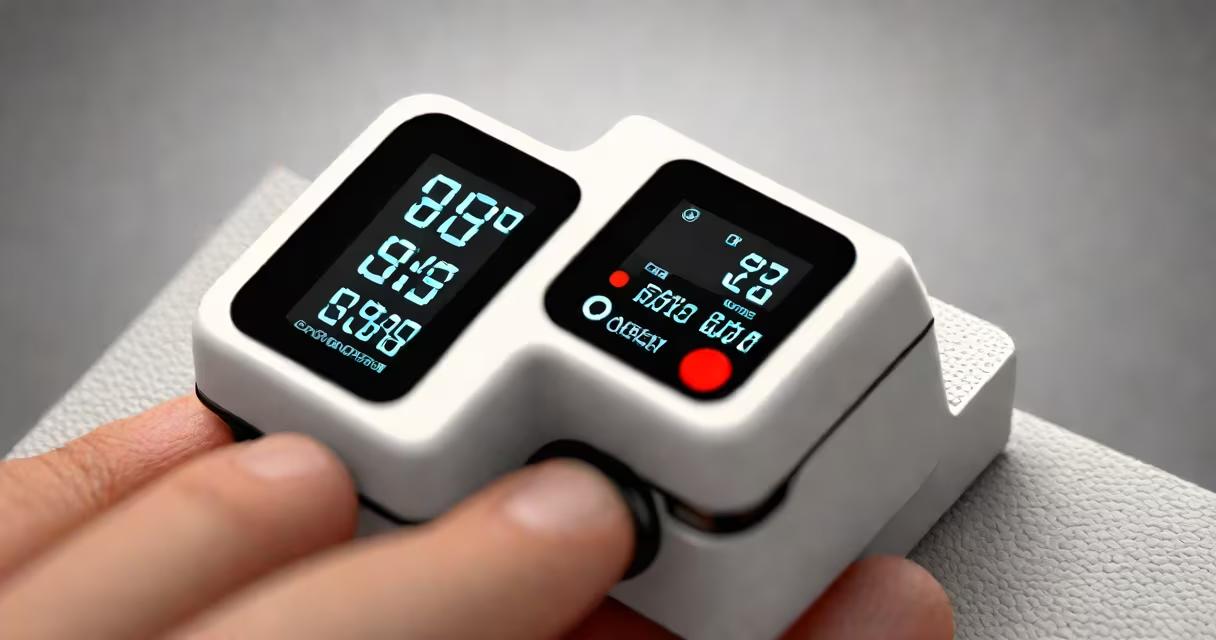
Measuring oxygen levels involves assessing how much oxygen is bound to hemoglobin in the blood, typically using a non-invasive device called a pulse oximeter. This test delivers a percentage known as SpO2, which reflects the oxygen saturation of arterial blood.
SpO2 readings are measured in real time using light sensors placed on a fingertip, earlobe, or forehead. The device emits red and infrared light through the skin. Hemoglobin absorbs these wavelengths differently depending on whether it's carrying oxygen. By analyzing the absorption patterns, the device calculates the percentage of hemoglobin saturated with oxygen.
A normal SpO2 reading ranges from 95% to 100%. Values below 90% indicate hypoxemia, a condition requiring medical attention. Pulse oximeters are widely used in hospitals, clinics, and at home, especially during respiratory illnesses like pneumonia or COPD flare-ups.
Pulse oximeters rely on photoplethysmography, a technique that measures changes in blood volume through tissue. The sensor sends out two wavelengths of light-red (660 nm) and infrared (940 nm)-through the skin. Oxygenated hemoglobin absorbs more infrared light and allows more red light to pass through. Deoxygenated hemoglobin does the opposite.
The device calculates the ratio of absorbed red to infrared light. This ratio correlates to the proportion of hemoglobin carrying oxygen. The result appears as a percentage on the display, usually within seconds. Most consumer devices update every 1-2 seconds and include a heart rate reading as well.
For accuracy, the device requires good perfusion. Cold extremities, poor circulation, nail polish (especially dark colors), or movement can distort readings. A study published in *Journal of Clinical Monitoring and Computing* found that nail polish reduced SpO2 accuracy by up to 10% in some cases.
There are three main types of oxygen level measurement tools:
| Type | Use Case | Accuracy Range | Example Setting |
|---|---|---|---|
| Pulse Oximeter (Finger Clip) | Home monitoring, acute illness, surgery recovery | ±2% under ideal conditions | At-home use during cold season |
| Transcutaneous Oximetry (Skin Sensor) | Infants, continuous monitoring in ICUs | ±3% | Neonatal intensive care unit |
| Arterial Blood Gas (ABG) Test | Clinical diagnosis, critical care | Gold standard: ±1% | Hospital emergency department |
Finger clip pulse oximeters are the most common. They're portable, affordable, and easy to use. Transcutaneous sensors are used in neonatal units because they don't require punctures. ABG tests remain the gold standard for confirming results, especially in unstable patients.
One non-obvious fact: pulse oximeters can misread in people with high carboxyhemoglobin levels-such as smokers or those exposed to carbon monoxide. In such cases, the device may report falsely high SpO2 values because carboxyhemoglobin absorbs light similarly to oxygenated hemoglobin.
Measuring oxygen levels becomes essential during respiratory distress, sleep apnea, chronic lung disease, or severe infections like influenza or COVID-19. The American Lung Association notes that oxygen saturation drops below 90% in 30% of hospitalized COVID-19 patients, often without obvious symptoms.
During sleep, oxygen levels naturally fluctuate. However, sustained drops below 90% during sleep may indicate obstructive sleep apnea. A study in *Sleep Medicine* found that individuals with untreated sleep apnea had average nighttime SpO2 levels of 88%, compared to 94% in healthy controls.
I once used a pulse oximeter during a hiking trip at high altitude. At 10,000 feet, my SpO2 dropped to 89% despite feeling fine. After resting and breathing slowly, it rose to 93%. This confirmed that physical exertion at elevation affects oxygen uptake-even in healthy individuals.
Many assume that a normal SpO2 reading means full health. That's false. A person can have normal oxygen saturation but still suffer from respiratory failure due to poor ventilation. This is why doctors also assess breathing rate, effort, and carbon dioxide levels.
Another misconception is that all pulse oximeters are equally accurate. Reputable brands like Nonin Medical and Philips meet FDA standards for clinical use. Consumer-grade devices sold online may lack validation. The FDA warns that unapproved devices can give misleading readings, leading to delayed treatment.
Some users believe that SpO2 readings should stay above 95% at all times. While 95% is the typical threshold for normal, brief dips below 90% during activities like coughing or lying flat are not always concerning. The context matters-duration, frequency, and accompanying symptoms determine clinical significance.
If your SpO2 consistently reads below 92% at rest, consult a healthcare provider. For those with chronic conditions like COPD, a baseline below 88% may be acceptable-but only under medical guidance. The National Heart, Lung, and Blood Institute recommends checking oxygen levels during periods of increased breathlessness or fatigue.
Values between 90% and 94% warrant evaluation. If you notice bluish lips or fingertips (cyanosis), confusion, or rapid breathing, seek immediate care. These signs suggest severe hypoxia.
For people managing sleep-related breathing issues, tracking oxygen levels overnight can reveal patterns. A single night of monitoring may show multiple episodes of desaturation lasting 10 seconds or longer. Such data supports a diagnosis of sleep apnea and guides treatment decisions.