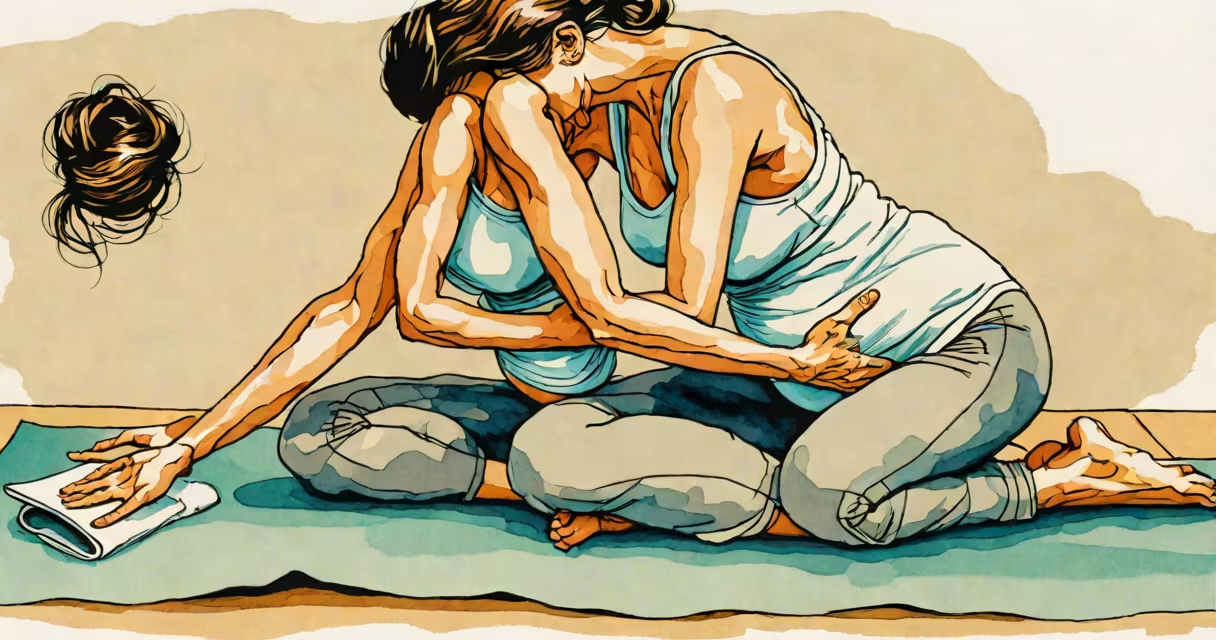
Lower back cramps while pregnant are involuntary muscle contractions in the lumbar region caused by hormonal shifts, increased weight load, and altered biomechanics during gestation. They typically emerge in the second and third trimesters and may feel like tightness, dull aches, or sharp spasms.
These cramps stem from multiple overlapping factors. As the uterus expands, the center of gravity shifts forward, forcing the spine into greater lordosis (increased inward curve). This places sustained tension on the erector spinae and multifidus muscles along the lower back. Simultaneously, relaxin-a hormone produced by the placenta-softens ligaments around the pelvis to prepare for childbirth. While essential for delivery, this ligament laxity increases joint instability and can trigger muscular compensation, leading to cramping.
A 2021 study published in *The Journal of Maternal-Fetal & Neonatal Medicine* found that 63% of pregnant women reported lower back pain or cramping at some point during their pregnancies, with severity peaking between weeks 24 and 32. The condition often worsens with prolonged standing, bending, or sitting in poor posture.
Cramping occurs when muscles contract involuntarily and fail to relax. During pregnancy, several mechanisms contribute to this:
When muscles work harder to stabilize the spine, they exhaust energy stores faster. Depletion of ATP and accumulation of lactic acid trigger the sensation of cramping. A 2019 review in *Obstetrics & Gynecology* noted that women with pre-existing spinal issues were twice as likely to report severe cramping compared to those without.
Cramps often follow predictable patterns. They may occur after long walks, upon waking, or during household tasks like lifting groceries. Some women describe the sensation as "tight bands" or "pins and needles" radiating from the lower back toward the hips.
One non-obvious distinction: true cramps differ from Braxton Hicks contractions. While both involve muscle tightening, Braxton Hicks originate in the uterine wall and feel like a hardening across the abdomen. Lower back cramps are localized to the posterior trunk and lack rhythmicity. Misinterpreting the two can delay appropriate care.
For example, Sarah, a 34-year-old expecting her first child, experienced persistent lower back cramps at 26 weeks. She initially thought they were early labor signs. After tracking symptoms, she noticed the cramps occurred only after standing for more than 15 minutes and eased with rest. Her provider diagnosed pelvic girdle pain (PGP), a condition affecting 20-30% of pregnant individuals, and recommended physical therapy.
Not all lower back cramps are the same. Differentiating them improves management:
| Type | Onset | Duration | Typical Cause |
|---|---|---|---|
| Postural cramps | After standing/sitting | Minutes to hours | Weight shift, poor alignment |
| Relaxin-induced cramps | Second trimester | Intermittent | Ligament laxity, joint instability |
| Fetal movement-related | Third trimester | Short bursts | Uterine contractions pressing on nerves |
Some women confuse lower back cramps with sciatica. Sciatica involves radiating pain down the leg due to nerve compression, often from a herniated disc. True sciatica includes numbness, tingling, or weakness-symptoms absent in typical pregnancy cramps. If leg symptoms appear, consult a provider promptly.
Effective management focuses on reducing strain and improving neuromuscular control. Evidence-based approaches include:
I've personally used a pregnancy-safe foam roller for targeted release of the piriformis and gluteal muscles. After consistent use over four weeks, my cramping frequency dropped from daily to once every few days. Always avoid direct pressure on the abdomen.
Lower back cramps are usually benign, but certain red flags require evaluation:
If cramps begin suddenly and are severe, especially with a history of preterm birth, contact your provider immediately. Early intervention prevents complications.