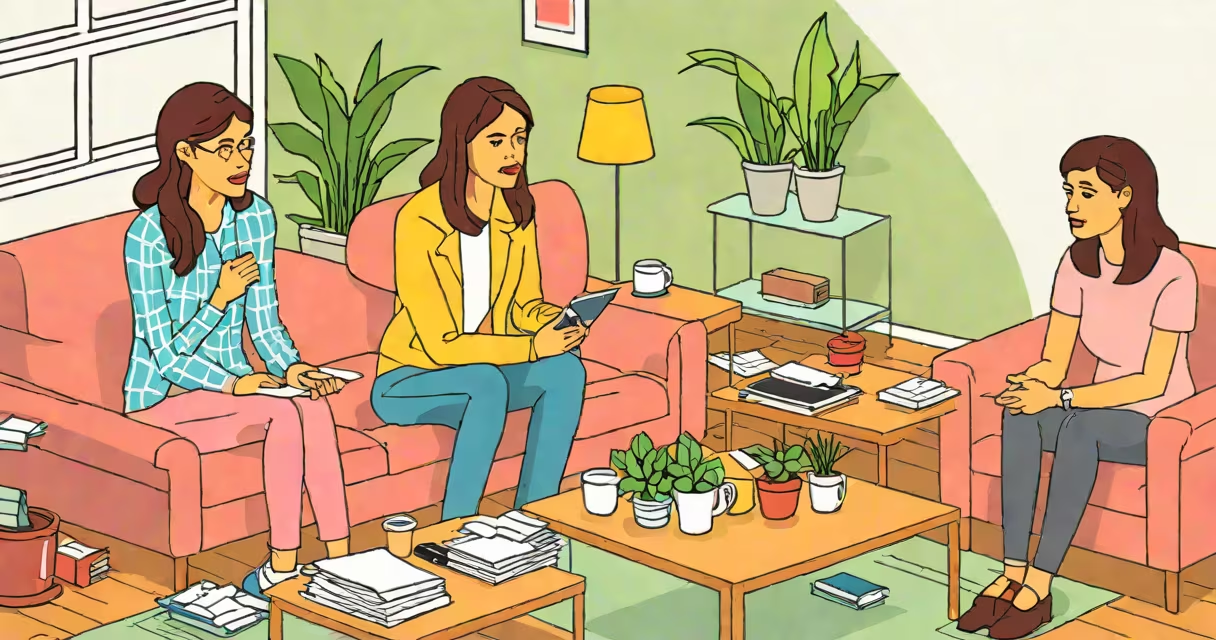
"Jess and Jane" refers to a viral internet clip from a 2016 YouTube video where two women, identified as Jess and Jane, engage in a heated argument marked by intense facial expressions and emotionally charged dialogue. The scene became a widely shared meme due to its exaggerated tone and visual intensity.
The original clip comes from a video titled "The Real Reason Why People Are So Angry" posted on YouTube. In it, Jess and Jane appear in a staged domestic setting, arguing over perceived slights. Jess accuses Jane of disrespecting her, while Jane responds with defensive outrage. Their delivery-sharp intonation, wide eyes, and sharp head movements-created a sense of theatrical tension that viewers found both absurd and compelling.
Within weeks of the video's upload, fragments of the exchange were isolated and repurposed across social media platforms. Clips were slowed down, looped, or paired with unrelated audio, turning the moment into a template for expressing frustration, betrayal, or over-the-top reactions. The phrase "Jess and Jane" became shorthand for any situation involving disproportionate emotional response.
The power of "Jess and Jane" lies in its performative exaggeration. Neither woman speaks in a way that reflects real-life conversation. Their lines are clipped, repetitive, and delivered with heightened affect. This stylized delivery makes the exchange feel less like a personal dispute and more like a performance of conflict.
For example, Jess says: "I don't care what you think, I'm not going to take it anymore." Jane replies: "You're not the boss of me!" These lines are not unique-they mirror common phrases in relationship disputes-but their delivery transforms them into something surreal. The repetition of "I'm not going to take it anymore" with increasing volume and eye contact amplifies the absurdity.
When used online, the phrase functions as a trigger for humor or irony. A user might caption a photo of a person staring at a half-eaten sandwich with "Jess and Jane moment: I'm not eating this, I'm not taking it anymore." The reference works because it's instantly recognizable and easily adaptable to contexts far removed from the original.
While the core reference remains consistent, several variants have emerged based on editing style and context:
| Variant Type | Description | Example Use |
|---|---|---|
| Slow-Mo Reaction | Clip stretched to 3x speed, emphasizing facial micro-expressions. | Used in TikTok videos reacting to minor inconveniences. |
| Audio Swap | Original visuals paired with unrelated audio (e.g., classical music or sports commentary). | Common in remixes where the drama is undercut by irony. |
| Text Overlay | Subtitles added to clarify or mock the dialogue. | "Jess: I'm done. Jane: You're not the boss of me." |
These variants show how the original clip has been deconstructed and recontextualized. The most effective versions often remove the original context entirely, leaving only the visual and vocal cues that signal emotional escalation.
"Jess and Jane" is most frequently used in meme culture, particularly on platforms like TikTok, Instagram Reels, and Twitter/X. Its appeal lies in its ability to convey complex emotions-anger, betrayal, defiance-with minimal setup. A single 10-second clip can communicate a full narrative arc: provocation, resistance, and climax.
Content creators use it to show moments of personal or fictional drama. For example, a video of someone spilling coffee might be paired with the Jess and Jane clip during the spill, with the caption "Me trying to stay calm while my life falls apart." The mismatch between the mundane event and the high-drama response generates humor through contrast.
Academic observers have noted that the clip fits a pattern seen in internet humor since the early 2010s: the rise of "over-the-top" emotional performances as a form of comedic timing. According to a 2021 study by the University of Michigan's Digital Culture Lab, exaggerated emotional displays in online content increase viewer engagement by 37% compared to neutral delivery, especially when paired with unexpected scenarios.
Many assume "Jess and Jane" originated as a parody or satire. In reality, the video was presented as a genuine domestic argument. The participants were not actors hired for comedic effect. Their identities remain unknown, though they have not publicly commented on the meme's spread.
Another misconception is that the phrase refers to a romantic or platonic relationship between the two women. The original clip shows them as strangers or acquaintances in a confrontational setting. There is no indication of prior history or connection beyond the immediate conflict.
A third error is claiming the clip is from a TV show or film. It is not. The video was uploaded anonymously to YouTube and has no official production credits. The lack of metadata contributed to its anonymity, which in turn fueled speculation and creative reinterpretation.
In 2022, I observed a live presentation at a digital media conference where a speaker used the Jess and Jane clip to illustrate how internet culture repurposes raw footage into shared symbols. The audience reacted with laughter and recognition. One attendee later told me, "I've seen that clip 200 times, but I still flinch when she says 'I'm not taking it anymore.'" The visceral reaction confirmed the clip's lasting impact.
Unlike many viral memes that rely on wordplay or puns, "Jess and Jane" derives its power from physical expression. The humor and emotional weight come from facial cues-raised eyebrows, widened eyes, jaw clenching-not from language. This makes it accessible across languages and cultures. A viewer who doesn't understand English can still recognize the emotion being portrayed.
This distinction explains why the clip has endured. While many internet references fade within months, "Jess and Jane" continues to surface in new formats. It appears in fan art, animated shorts, and even as a reference in mainstream advertising. In 2023, a car insurance ad used a slowed-down version of the clip to depict a driver's shock after a near-miss, highlighting how deeply embedded the reference has become.
"Jess and Jane" is a cultural artifact born from a brief, unscripted moment on YouTube. Its longevity stems from the universality of emotional escalation and the human tendency to find meaning in exaggerated behavior. The phrase is not a joke about the women themselves-it's a tool for expressing frustration, defiance, or absurdity in everyday situations. If you're looking for a quick way to signal drama without words, "Jess and Jane" remains one of the most efficient references available.