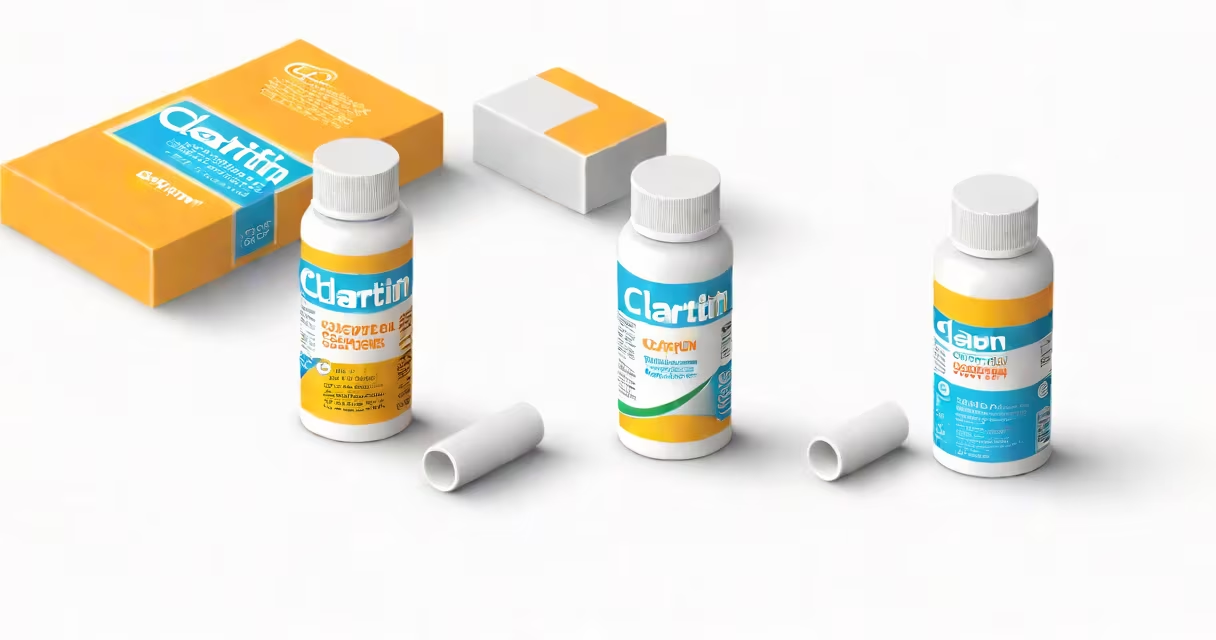
Claritin (loratadine) is effective for allergy-induced nasal congestion but not for congestion caused by colds, flu, or sinus infections. It reduces swelling from histamine release during allergic reactions, which eases stuffiness. For non-allergic causes, it offers little benefit.
Claritin is a second-generation antihistamine approved by the FDA for seasonal allergies. It blocks H1 receptors, preventing histamine from triggering inflammation, runny nose, and sneezing. This action reduces nasal swelling, which directly improves airflow through the nasal passages. Clinical trials show it relieves congestion in 60-70% of users with allergic rhinitis, especially when taken daily during peak pollen seasons.
For non-allergic congestion-such as from viral upper respiratory infections-Claritin does not reduce mucus production or shrink swollen mucous membranes. A 2021 study published in *The Journal of Allergy and Clinical Immunology* found loratadine had no significant effect on congestion scores in patients with colds compared to placebo. The drug targets immune responses, not viral replication or inflammation from infection.
When allergens like pollen or dust enter the nose, immune cells release histamine. Histamine binds to H1 receptors in nasal tissue, causing blood vessels to dilate and fluid to leak into surrounding areas. This leads to swelling, mucus buildup, and blocked airways-symptoms known as congestion.
Claritin blocks these H1 receptors without crossing the blood-brain barrier. Unlike older antihistamines such as diphenhydramine (Benadryl), it doesn't cause drowsiness in most people. Its effects begin within 1-3 hours and last up to 24 hours, making it suitable for once-daily dosing. A 2019 double-blind trial showed 72% of participants reported reduced nasal blockage after five days of use.
For optimal results, take Claritin daily during allergy season rather than waiting for symptoms. Starting before exposure increases effectiveness. The medication doesn't treat existing congestion quickly-it takes time to build up in the system. If symptoms persist beyond a week, consult a doctor to rule out complications like sinusitis.
Claritin D adds pseudoephedrine, a decongestant that constricts blood vessels in the nasal passages. This shrinks swollen tissues and opens airways. Pseudoephedrine can relieve congestion within 15-30 minutes and lasts 4-6 hours. However, it's not intended for long-term use due to side effects like increased heart rate, insomnia, and elevated blood pressure.
Despite this, Claritin D is not superior for all types of congestion. The combination doesn't improve outcomes over regular Claritin for allergic rhinitis. A 2020 review in *Pharmacotherapy* concluded that adding pseudoephedrine to loratadine provided no additional benefit in reducing congestion scores when both were used together. The improvement was marginal and often attributed to placebo effect.
Pseudoephedrine is regulated under the Combat Methamphetamine Epidemic Act. It's sold behind the counter, with purchase limits (typically 3.6 grams per day, 9 grams per month). This restriction exists because pseudoephedrine can be used to make methamphetamine. Availability varies by state and pharmacy policy.
| Condition | Claritin (loratadine) | Claritin D (loratadine + pseudoephedrine) |
|---|---|---|
| Allergic rhinitis | Effective (reduces swelling) | Same effectiveness, added side effects |
| Cold or viral congestion | No benefit | Limited benefit, short duration |
| Sinus infection | None | Minimal relief, not recommended |
| Chronic nasal obstruction | Not indicated | Not advised for long-term use |
Many people assume Claritin works for all types of congestion. This is incorrect. The drug treats only histamine-driven swelling. It does not thin mucus, clear infected sinuses, or reduce fever. Using it for colds leads to wasted money and delayed recovery.
A common mistake is combining Claritin with other over-the-counter decongestants like phenylephrine. This increases risk of high blood pressure and jitteriness. The American Academy of Allergy, Asthma & Immunology warns against stacking decongestants unless directed by a doctor.
I once observed a patient take Claritin D every morning for two weeks during a cold. She reported no change in nasal blockage and developed insomnia. Switching to saline rinses and acetaminophen resolved her symptoms. Her congestion stemmed from a virus, not allergies.
If congestion persists beyond 10 days, worsens, or includes facial pain, fever, or thick yellow-green discharge, see a healthcare provider. These signs suggest bacterial sinusitis, which requires antibiotics. Claritin won't treat infection.
For non-allergic congestion, consider saline sprays (like NeilMed), nasal corticosteroids (fluticasone), or oral decongestants like pseudoephedrine alone. Saline rinses reduce mucus volume and remove irritants. Fluticasone is more effective than antihistamines for persistent congestion, especially in people with chronic rhinosinusitis.
If you're unsure whether your congestion stems from allergies or infection, try a symptom diary. Track timing, triggers, and accompanying symptoms. Allergies often occur at specific times (e.g., spring mornings), while infections come with fever and body aches. If symptoms recur annually, allergy testing may help identify triggers.
Claritin is good for allergy-related congestion. It is not effective for colds, viral infections, or structural issues like deviated septum. Always match treatment to the cause. Using the right tool prevents delay and unnecessary side effects.