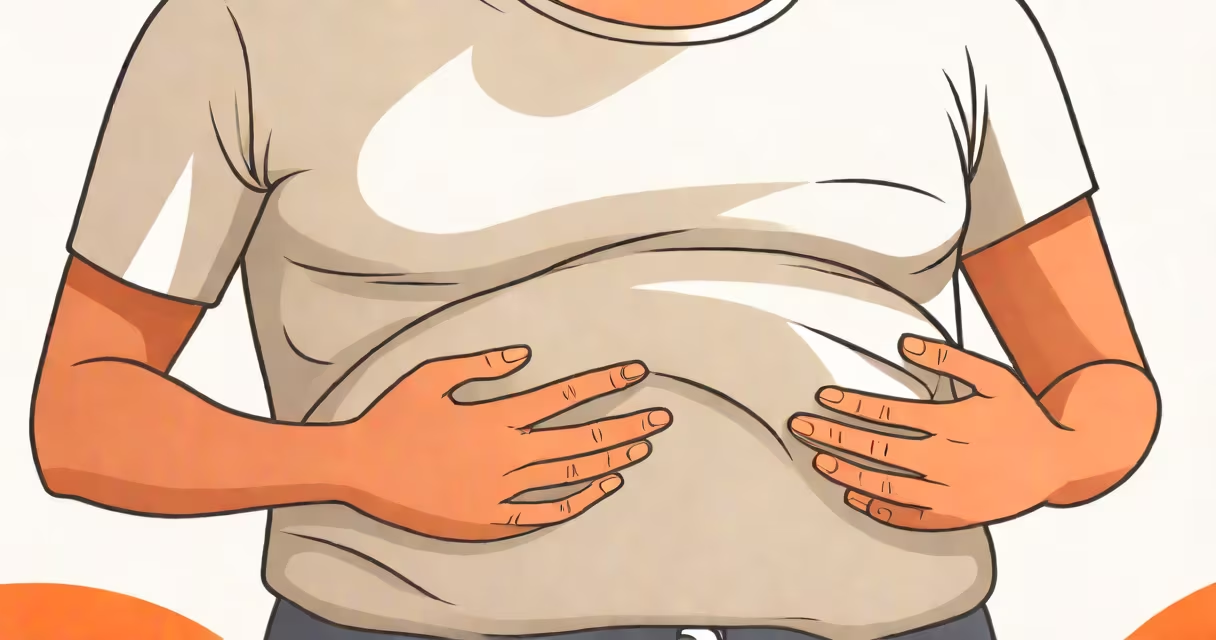
A GERD flare-up occurs when weakened lower esophageal sphincter muscles allow stomach acid to flow back into the esophagus, causing heartburn, regurgitation, and chest pain. These episodes often result from identifiable dietary, behavioral, or medical triggers that increase gastric pressure or reduce sphincter tone.
GERD-gastroesophageal reflux disease-is a chronic condition affecting 20% of adults in the U.S., according to the American College of Gastroenterology. A flare-up is not just occasional heartburn; it's a recurrence of symptoms that disrupt daily life, often worsening due to specific factors. Common signs include burning chest pain, sour taste in the mouth, difficulty swallowing, and nighttime coughing.
Flare-ups happen when the balance between acid production and protective mechanisms fails. The lower esophageal sphincter (LES), which normally closes after food passes into the stomach, relaxes too easily during a flare-up. This allows acidic contents to rise into the esophagus, irritating the lining and causing inflammation. Persistent flares can lead to complications such as Barrett's esophagus or esophageal strictures.
Diet plays a major role in triggering GERD episodes. Foods high in fat, spicy ingredients, citrus fruits, tomatoes, garlic, onions, chocolate, mint, and carbonated beverages are well-documented irritants. For example, a 2021 study published in *Gut* found that participants who consumed fried foods daily had a 60% higher risk of frequent GERD symptoms compared to those who avoided them.
Caffeine and alcohol also contribute. Coffee, especially when consumed on an empty stomach, increases gastric acid secretion and reduces LES pressure. Alcohol relaxes the sphincter and damages the esophageal mucosa. One clinical trial showed that patients who drank more than two alcoholic drinks per day reported flare-ups twice as often as abstainers.
Other dietary patterns include large meals, eating late at night, and lying down within 2 hours of eating. The stomach's volume expansion pushes acid upward. A 2019 study in *The American Journal of Clinical Nutrition* found that eating within 3 hours of bedtime increased nighttime reflux by 40%.
Stress is a less obvious but potent trigger. Chronic psychological stress alters gastrointestinal motility and increases acid secretion. A 2020 cohort study in *Neurogastroenterology & Motility* linked high-stress levels to a 2.3-fold increase in GERD flare frequency among adults aged 30-55.
Obesity is another key factor. Excess abdominal fat increases intra-abdominal pressure, pushing stomach contents upward. Research from the National Institutes of Health shows that individuals with a BMI above 30 have a 3.5 times greater likelihood of experiencing GERD flares than those with normal weight.
Smoking impairs LES function and reduces saliva production-saliva helps neutralize acid. Smokers report flare-ups 50% more frequently than non-smokers, according to the American Lung Association.
Several prescription and over-the-counter drugs interfere with LES function or increase acid exposure. Nonsteroidal anti-inflammatory drugs (NSAIDs) like ibuprofen and naproxen irritate the GI lining and reduce protective mucus. They're associated with a 2.1-fold higher risk of GERD flare-ups, per a 2022 review in *Pharmacotherapy*.
Calcium channel blockers (used for hypertension), some antidepressants (especially SSRIs), and sedatives like benzodiazepines can relax the LES. A 2021 analysis in *JAMA Internal Medicine* found that patients on calcium channel blockers had a 38% higher incidence of reflux symptoms.
Some people mistake symptom relief from antacids as a sign they're safe. But long-term use can cause rebound acid hypersecretion. The FDA warns against continuous use of antacids beyond 14 days without medical supervision.
| Trigger Type | Examples | Impact Level |
|---|---|---|
| Dietary | Spicy food, coffee, alcohol, fried meals | High |
| Lifestyle | Smoking, late-night eating, obesity | High |
| Medical | NSAIDs, calcium channel blockers, antidepressants | Moderate to High |
| Psychological | Chronic stress, anxiety | Moderate |
Many assume that heartburn is just "indigestion" or something temporary. But persistent flare-ups indicate ongoing damage. The American Gastroenterological Association states that untreated GERD leads to esophageal erosion in 40% of cases and Barrett's esophagus in 10% over 10 years.
Another misconception is that GERD only affects older adults. In reality, 30% of GERD cases begin before age 30. A 2023 survey by the North American Society for Pediatric Gastroenterology found that adolescents with frequent reflux were more likely to have undiagnosed GERD than previously thought.
Some patients believe avoiding all acidic foods prevents flares. But the issue isn't acidity alone-it's delayed gastric emptying and LES relaxation. For example, watermelon is acidic but rarely triggers reflux. Conversely, a single slice of pepperoni pizza can spark a full flare due to fat content and spice.
Sarah, a 42-year-old teacher, experienced weekly GERD flares despite taking omeprazole. She kept a symptom diary and noticed flare-ups consistently occurred after her 3 PM meeting, when she ate a turkey sandwich with mustard and drank a latte. She also sat at her desk for 90 minutes afterward.
She eliminated the latte and switched to herbal tea. She stopped eating lunch at her desk and walked for 10 minutes post-meal. Within two weeks, flare-ups dropped from five per month to one. Her doctor confirmed reduced esophageal acid exposure via pH monitoring.
This case illustrates that multiple triggers often act together. Removing just one may not resolve symptoms. A complete approach-adjusting diet, timing, posture, and medication-is essential.
Understanding what causes a GERD flare up is the first step toward prevention. Avoiding known triggers, adjusting meal timing, reducing stress, and reviewing medications can dramatically improve quality of life. Persistent symptoms require evaluation by a gastroenterologist to rule out structural issues or complications.