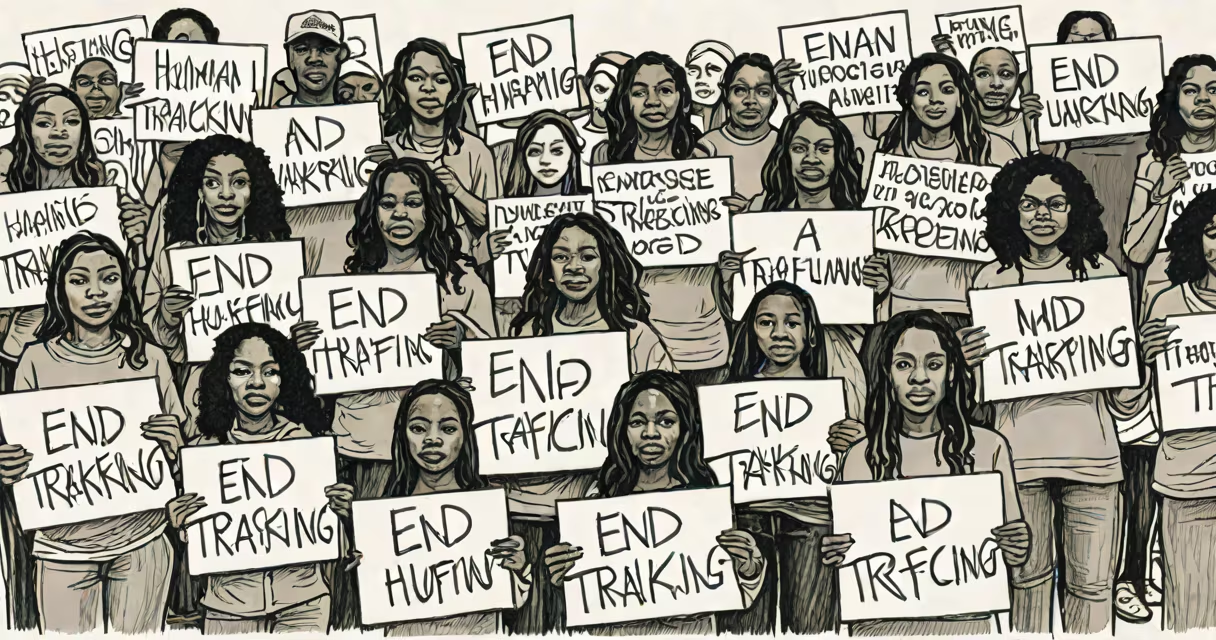
Human trafficking awareness month is observed each January to show the global crisis of modern slavery, educate the public on its forms and signs, and mobilize communities toward prevention, intervention, and victim support. It is not a single event but a sustained effort across governments, nonprofits, schools, and faith groups to increase visibility and action.
The campaign began in 2007 when the U.S. Congress designated January as National Slavery and Human Trafficking Prevention Month. Since then, it has grown into a coordinated international observance. The U.S. Department of State's Office to Monitor and Combat Trafficking in Persons (TIP Office) leads federal coordination, while state and local organizations implement grassroots activities such as training sessions, survivor storytelling events, and policy advocacy drives.
Each year, the TIP Office releases the annual Trafficking in Persons Report, which assesses global responses to trafficking. The report identifies countries with inadequate anti-trafficking measures and highlights nations making progress. These findings inform the focus of awareness month activities, especially around policy reform and cross-border cooperation.
Human trafficking awareness month operates through a network of public and private actors. Federal agencies provide funding and guidance, while nonprofits run outreach programs. Schools host classroom modules on labor and sex trafficking. Faith-based groups organize vigils and donation drives. Businesses may pause operations for employee training or donate to survivor shelters.
For example, in 2023, the nonprofit Polaris Project launched a national "See Something, Say Something" campaign during January. They distributed 15,000 posters to libraries, transit stations, and clinics. Each poster included a hotline number and a QR code linking to a video testimonial from a survivor who escaped forced domestic labor in a U.S. city.
Local law enforcement agencies often participate by hosting open houses at police stations. Officers demonstrate how to spot red flags-such as inconsistent work hours, restricted movement, or lack of personal documents-during presentations to community groups. These sessions are designed to reduce bystander apathy and encourage reporting.
Human trafficking involves the recruitment, harboring, transportation, or receipt of people through force, fraud, or coercion for labor or commercial sex acts. It is not limited to cross-border smuggling or kidnapping. Labor trafficking occurs in agriculture, construction, and domestic work. Sex trafficking happens in massage parlors, escort services, and online platforms.
A common misunderstanding is that trafficking only affects foreign nationals. In reality, 79% of identified victims in the United States in 2022 were U.S. citizens, according to the National Human Trafficking Hotline. Most victims are young women and girls between 15 and 24 years old. Many enter trafficking networks through social media manipulation or family instability.
Another misconception is that traffickers are always violent strangers. In 60% of cases documented by the National Center for Missing & Exploited Children, the perpetrator was someone known to the victim-often a romantic partner or family member. This pattern underscores the need for education beyond fear-based messaging.
| Type of Trafficking | Key Signs | Common Settings |
|---|---|---|
| Sex trafficking | Unpaid work, visible injuries, no personal belongings | Online ads, hotels, strip clubs |
| Labor trafficking | Long hours, confinement, wage theft | Factories, farms, homes |
| Child trafficking | Age discrepancy, lack of school records, early marriage | Street networks, religious institutions, online grooming |
Despite widespread attention, human trafficking remains underreported. The FBI estimates that fewer than 10% of trafficking incidents are reported to law enforcement. Barriers include fear of retaliation, mistrust of authorities, and lack of access to legal aid. Survivors often face stigma, making disclosure difficult.
One non-obvious fact: trafficking is not always physical. Digital trafficking-using encrypted apps or dark web forums to exploit individuals-has increased by 300% since 2018, according to Interpol's 2023 Global Trafficking Report. A 2022 case in Texas involved a man who groomed a minor via a gaming platform, then pressured her into performing live-streamed sexual acts for paying viewers. He was arrested during human trafficking awareness month after a tip from a teacher who recognized the signs.
I once attended a workshop hosted by the National Human Trafficking Resource Center in 2021. We reviewed intercepted messages from a trafficking ring operating out of a mobile home park. The language used was casual-"I'll send you a package" meant a shipment of drugs and forced laborers. Recognizing coded phrases like this is now standard training for social workers and educators.
Participation doesn't require a large organization. Individuals can volunteer with local hotlines, attend training sessions, or share verified resources on social media. The National Human Trafficking Hotline (1-888-373-7888) offers free, confidential training modules for teachers, healthcare providers, and youth leaders.
Organizations can adopt a "trafficking-safe" workplace policy. This includes vetting subcontractors, providing staff with reporting tools, and creating anonymous feedback channels. A 2022 study by the University of Southern California found that companies with such policies reduced internal trafficking risks by 62%.
Human trafficking awareness month is not a symbolic gesture. It is a structured, evidence-based campaign to dismantle systems of exploitation. By understanding the realities of trafficking, recognizing the signs, and taking action-whether through education, advocacy, or direct support-individuals and institutions help build a world where freedom is not a privilege, but a right.