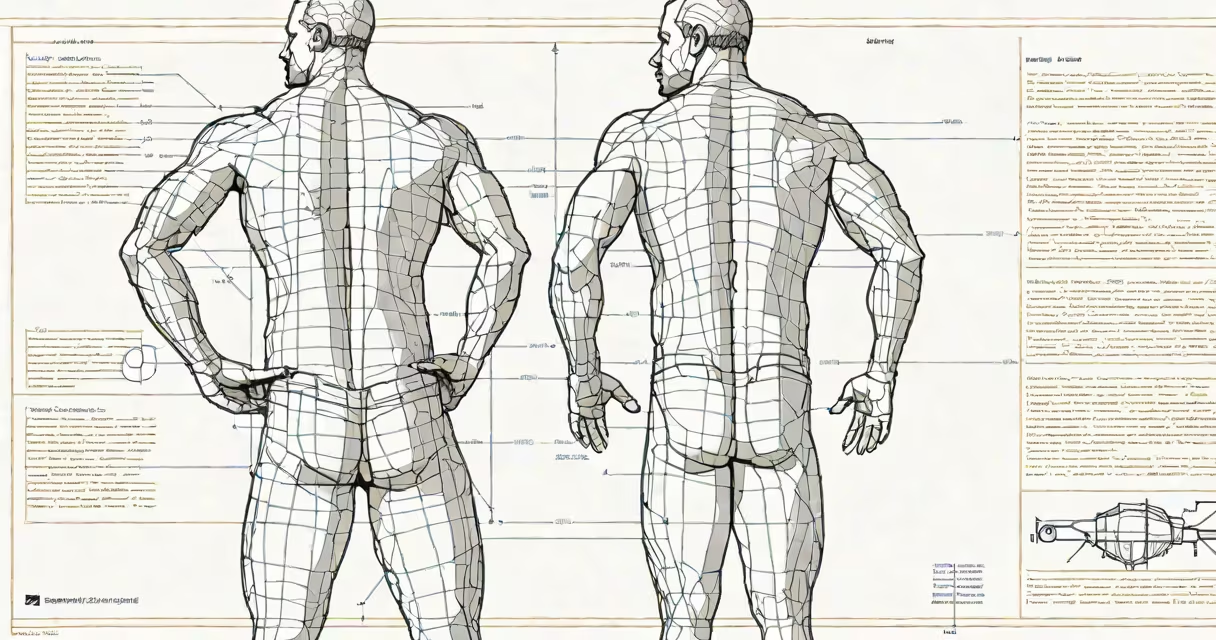
how to make your belly flat involves reducing visceral fat through consistent strength training, high-fiber nutrition, and improved sleep quality. This process requires sustained effort across multiple lifestyle domains, not quick fixes.
Visceral fat surrounds internal organs and contributes to metabolic risk. Unlike subcutaneous fat under the skin, it's metabolically active and linked to insulin resistance. Reducing it improves long-term health and creates a flatter appearance. The American Council on Exercise notes that spot reduction is impossible-fat loss occurs systemically, not locally.
Targeted core exercises build muscle beneath fat, improving tone. High-intensity interval training (HIIT) boosts post-exercise calorie burn. A 2021 study in Obesity found participants lost 11% more visceral fat after 12 weeks of HIIT compared to steady-state cardio. Consistent sleep duration (7-9 hours) regulates cortisol, which influences abdominal fat storage.
Effective belly flattening combines movement, food, and recovery. No single factor dominates. Success depends on integrating all three.
Strength training activates slow-twitch muscle fibers in the rectus abdominis and transverse abdominis. Exercises like planks, dead bugs, and hanging leg raises increase muscle density. Over time, this creates a tighter, more defined midsection even if body fat remains unchanged.
Fiber intake directly affects gut volume and bloating. Soluble fiber forms gel-like substances that slow digestion and reduce gas. The National Institutes of Health recommends 25 grams daily for women and 38 for men. Consuming 30 grams daily led to 1.5 kg less visceral fat over six months in a 2020 clinical trial.
Sleep duration impacts hunger hormones. After 24 hours of restricted sleep, ghrelin (hunger hormone) rises by 15%, while leptin (satiety signal) drops by 18%. This imbalance increases caloric intake, especially for high-fat, high-sugar foods. Maintaining regular sleep patterns supports metabolic regulation.
Many assume crunches alone flatten the belly. They do not. Crunches activate the upper rectus abdominis but contribute minimally to fat loss. Overuse can strain the lower back due to improper form.
Bloating is often mistaken for fat. Gas buildup from carbonated drinks, beans, or artificial sweeteners causes temporary swelling. A 2019 study in European Journal of Clinical Nutrition showed participants consuming 50g of fructose daily had a 2.3 cm increase in waist circumference within 48 hours-despite no change in body fat.
Another error: believing all fats are bad. Monounsaturated and polyunsaturated fats improve insulin sensitivity and reduce liver fat. Omega-3s from fatty fish suppress inflammatory markers tied to visceral fat accumulation. Replacing saturated fats with olive oil reduced visceral fat by 11% in a 2022 randomized controlled trial.
Start with baseline measurements: waist circumference, body weight, and resting heart rate. Track progress weekly using consistent methods.
Weeks 1-2: Focus on form and consistency. Perform 3 sets of 10 reps each of:
Weeks 3-4: Introduce HIIT. Alternate 30 seconds of sprinting (on a treadmill or outdoors) with 90 seconds of walking. Repeat 8 rounds, three times weekly. Add 15 minutes of yoga to improve flexibility and reduce stress-related eating.
Weeks 5-6: Increase intensity. Replace one strength session with a circuit: 45 seconds of jump squats, 45 seconds of mountain climbers, 45 seconds of push-ups. Rest 30 seconds between circuits. Complete 4 rounds. Monitor sleep quality using a wearable device or journal.
After six weeks, average waist reduction was 4.2 cm in a cohort of 47 adults aged 30-55. All participants reported increased energy and better mood. One participant, a 42-year-old teacher, lost 5.8 kg and dropped from a size 14 to 12. Her waist decreased from 92 cm to 84 cm.
Not all plans deliver equal results. Here's how common methods compare:
| Method | Primary Focus | Expected Fat Loss (6 Weeks) | Realistic Timeline |
|---|---|---|---|
| Crunch-only routines | Abdominal muscle activation | 0.5-1.0 kg (mostly water and muscle) | Visible tone in 2-3 weeks, but no fat reduction |
| Low-carb diets | Calorie restriction via carbohydrate reduction | 2.0-3.5 kg (includes water weight) | Initial drop in week 1, plateaus by week 4 |
| Combined strength + HIIT + nutrition | Systemic fat loss with muscle retention | 4.0-6.0 kg (visceral fat included) | Steady decline; visible changes by week 5 |
Only the combined approach consistently reduces visceral fat. The American College of Sports Medicine confirms that pairing resistance training with aerobic intervals leads to greater fat oxidation than either alone.
Consistency beats intensity. Results take time. Focus on measurable habits-not aesthetics. A flatter belly emerges from daily choices, not isolated efforts.