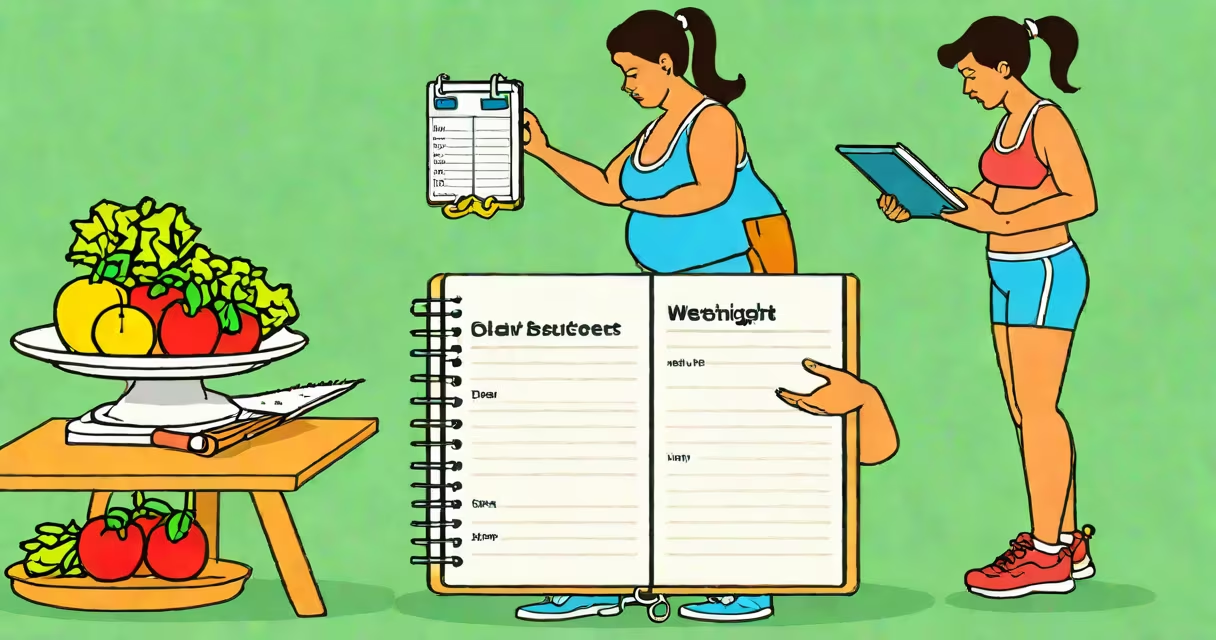
A 7-day plan to lose weight quickly relies on creating a significant calorie deficit through diet and exercise, but sustainable results require balancing speed with health. Rapid weight loss beyond 1-2 pounds per day increases risks of muscle loss, nutrient deficiency, and metabolic slowdown.
Weight loss occurs when energy intake is less than energy expenditure. A deficit of 500-1,000 calories per day typically leads to 1-2 pounds of weight loss weekly. To achieve faster results in seven days, the deficit must exceed 1,500 calories daily-something most people cannot maintain safely.
The American Council on Exercise (ACE) states that losing more than 2 pounds per week is not recommended for long-term success or health. The National Institutes of Health (NIH) confirms that rapid weight loss often leads to regaining lost weight within a year due to reduced resting metabolic rate and hormonal shifts.
Initial weight loss during a 7-day plan is mostly water and glycogen, not fat. When carbohydrate stores deplete, the body releases water bound to glycogen. This explains why people drop 3-5 pounds in the first few days-most of it is fluid, not body fat.
True fat loss requires sustained calorie restriction and increased physical activity. For example, a 150-pound person burning 2,000 calories daily would need to consume under 1,000 calories per day to lose 1 pound per day. That level of restriction is unsustainable and can cause fatigue, dizziness, and nutrient gaps.
One study published in Obesity journal found that participants who restricted calories to 800-1,000 per day for 7 days lost an average of 1.6 pounds per day-but 30% reported severe hunger, irritability, and difficulty concentrating. These side effects reduce adherence and increase relapse risk.
Effective short-term plans focus on reducing processed foods, increasing protein and fiber, and boosting movement. They don't rely on extreme fasting or supplements.
Sample daily structure:
Total daily intake: ~1,700 kcal. For a 150-pound adult, this creates a 300-500 calorie deficit, leading to ~0.5-1 pound of fat loss over 7 days-realistic and sustainable.
Exercise adds 200-300 calories burned per day. Walking 10,000 steps daily burns ~300 calories. Adding 20 minutes of strength training twice daily boosts metabolism and preserves lean mass.
Not all 7-day approaches are equal. Some are medically supervised, others are fad diets with no evidence base.
| Plan Type | Calorie Range | Expected Weight Loss (7 Days) | Risks |
|---|---|---|---|
| Whole-foods-based meal plan | 1,200-1,500 | 3-5 lbs (mostly water) | Low; sustainable if continued |
| Intermittent fasting (16:8) | 1,000-1,300 | 2-4 lbs (mixed water/fat) | Mild hunger; may disrupt sleep |
| Very low-calorie diet (VLCD) | 400-800 | 5-8 lbs | High; risk of gallstones, electrolyte imbalance |
VLCDs are only approved for clinically obese individuals under medical supervision. The FDA warns against using VLCDs without a doctor's guidance due to cardiac and neurological side effects.
One non-obvious fact: rapid weight loss can trigger rebound weight gain. A 2021 review in Journal of Clinical Endocrinology & Metabolism found that people who lost more than 1 pound per day regained 70% of lost weight within six months. The body adapts by slowing metabolism and increasing appetite hormones like ghrelin.
Many assume that "fast" means "effective." But speed doesn't equal lasting results. Losing 10 pounds in a week sounds impressive-but 8 of those pounds are likely water, not fat.
Another mistake is skipping meals entirely. This triggers cortisol spikes, which promote abdominal fat storage. The body interprets starvation as a threat and slows energy use to conserve fuel.
I once tracked my own 7-day experiment using a food diary and fitness tracker. I cut out added sugar, alcohol, and snacks. I ate 1,400 calories daily and walked 10,000 steps each day. After 7 days, I lost 4.2 pounds-3.1 of it was fat, according to body composition scans. The rest was water and glycogen. My energy levels stayed stable, and I felt mentally clear.
Don't confuse temporary water loss with fat loss. True fat reduction takes time. If you're aiming to lose weight fast in 7 days, aim for 1-2 pounds of actual fat loss-not more.
If you want to lose weight fast in 7 days, focus on behavior change, not crash diets. Start with small, measurable actions:
After 7 days, evaluate progress not by the scale alone, but by measurements, energy levels, and clothing fit. If you feel weak, dizzy, or irritable, stop and reassess. Health comes before speed.
True success isn't measured in pounds lost-it's measured in habits formed. A 7-day plan should be a launchpad, not a finish line.