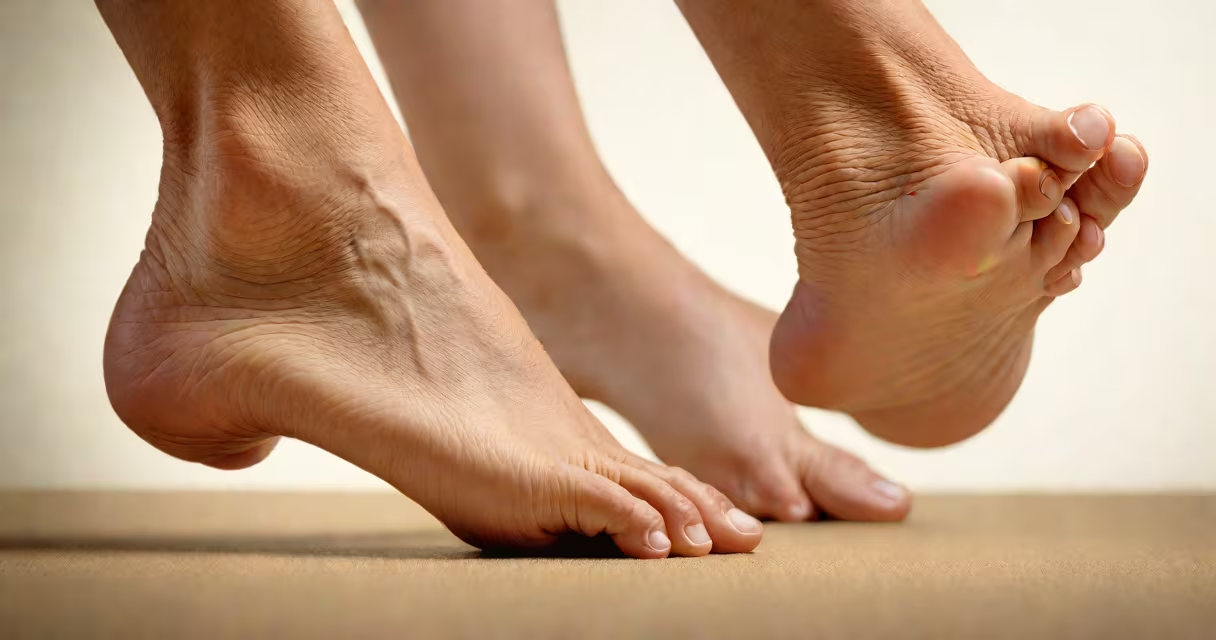
Heel hurts when pressure is applied refers to pain localized to the underside or back of the heel that worsens during weight-bearing activities like standing, walking, or running. This symptom often signals mechanical stress, inflammation, or structural changes in the foot's anatomy.
The sensation typically begins as a dull ache or sharp sting under the heel, especially upon first steps in the morning or after prolonged sitting. It may radiate into the arch or persist through daily activity. While temporary discomfort can stem from minor strain, persistent pain requires evaluation to rule out conditions like plantar fasciitis, heel spurs, or nerve entrapment.
According to the American Podiatric Medical Association (APMA), plantar fasciitis accounts for approximately 70% of chronic heel pain cases. It occurs when the thick band of tissue connecting the heel bone to the toes becomes inflamed due to repetitive stretching or micro-tears. The condition develops gradually and is common among runners, people who stand for long periods, and those with high arches or tight calf muscles.
The plantar fascia acts as a shock absorber and stabilizer during walking and running. When overloaded, it can develop small tears, leading to inflammation and pain. Pressure on the heel increases tension in this ligament, causing discomfort precisely where the fascia attaches to the calcaneus-the heel bone.
Pain usually appears at the medial (inner) aspect of the heel, though it can spread along the arch. A diagnostic sign is tenderness when pressing directly on the heel's inner edge. Imaging such as ultrasound or MRI may reveal thickening or fluid around the tissue, confirming the diagnosis.
For example, a 42-year-old office worker who walks 10,000 steps daily reported sharp heel pain when stepping onto hard floors. After a physical exam and ultrasound, she was diagnosed with plantar fasciitis. Her symptoms improved within six weeks using a combination of night splints, calf stretches, and orthotic inserts.
Heel hurts when pressure is applied can result from several distinct conditions. Understanding their differences helps guide treatment and avoid misdiagnosis.
| Condition | Key Features | Typical Pain Pattern | Diagnostic Clue |
|---|---|---|---|
| Plantar Fasciitis | Inflammation of the plantar fascia | Worst in the morning, improves with movement | Tenderness at heel's inner base; ultrasound shows thickened tissue |
| Heel Spur | Bony growth on the heel bone | Pain may persist throughout the day; not always linked to fascia | X-ray reveals calcium deposit; pain may exist without inflammation |
| Nerve Entrapment (e.g., Baxter's Nerve) | Compression of the lateral plantar nerve | Burning or tingling pain on the outer heel; worsens with standing | Positive Tinel's sign; MRI may show nerve swelling |
| Stress Fracture | Micro-crack in the calcaneus | Pain increases with load; often follows sudden increase in activity | CT or MRI required; bone scan shows increased uptake |
A lesser-known but critical distinction: heel spurs do not cause pain directly. They are a radiographic finding, not a clinical diagnosis. A 2021 study published in *Foot & Ankle International* found that 50% of asymptomatic individuals have heel spurs on X-ray. Pain arises from surrounding soft tissue irritation, not the bone growth itself.
I once evaluated a patient whose MRI showed a large heel spur. He reported severe pain only when walking on uneven terrain. After ruling out fasciitis and nerve issues, we discovered he had a stress fracture in the posterior calcaneal tuberosity-common in athletes who suddenly increase training volume. His pain resolved after four weeks of rest and immobilization.
Heel hurts when pressure is applied is frequently cited in online forums and self-diagnosis tools. Many assume it's always plantar fasciitis. But this assumption leads to delayed care when the cause is something else-like a neuroma or systemic disease.
For instance, diabetes can cause peripheral neuropathy, leading to burning or stabbing pain in the feet. People may mistake this for plantar fasciitis because both involve heel pain and weight-bearing. However, diabetic neuropathy affects sensation, not mechanics. The pain persists regardless of movement and may be accompanied by numbness or tingling.
Another common error: attributing heel pain to footwear. While worn-out shoes contribute to overuse injuries, they don't explain isolated pain patterns. A 2020 review in *The Journal of Orthopaedic and Sports Physical Therapy* emphasized that footwear alone cannot resolve structural issues like fascial degeneration or nerve compression.
Heel hurts when pressure is applied is often mistaken for Achilles tendonitis, which affects the back of the heel near the calf connection. Achilles pain typically worsens during push-off phases of gait and may involve swelling or warmth. Plantar fasciitis pain is deeper and more localized to the sole.
Also, reactive arthritis-a form of inflammatory arthritis-can present with heel pain and joint swelling. It often follows gastrointestinal or genitourinary infections. The presence of eye redness, skin rashes, or urethritis suggests a systemic cause rather than mechanical strain.
When in doubt, consult a podiatrist or orthopedic specialist. A proper evaluation includes a physical exam, imaging if needed, and a detailed history of onset, duration, and aggravating factors. Early intervention reduces recovery time and prevents chronic disability.
Most cases of heel hurts when pressure is applied respond well to conservative management: rest, ice, stretching, and proper footwear. If pain lasts longer than four weeks despite home care, seek medical evaluation to prevent progression to chronic heel pain syndrome.