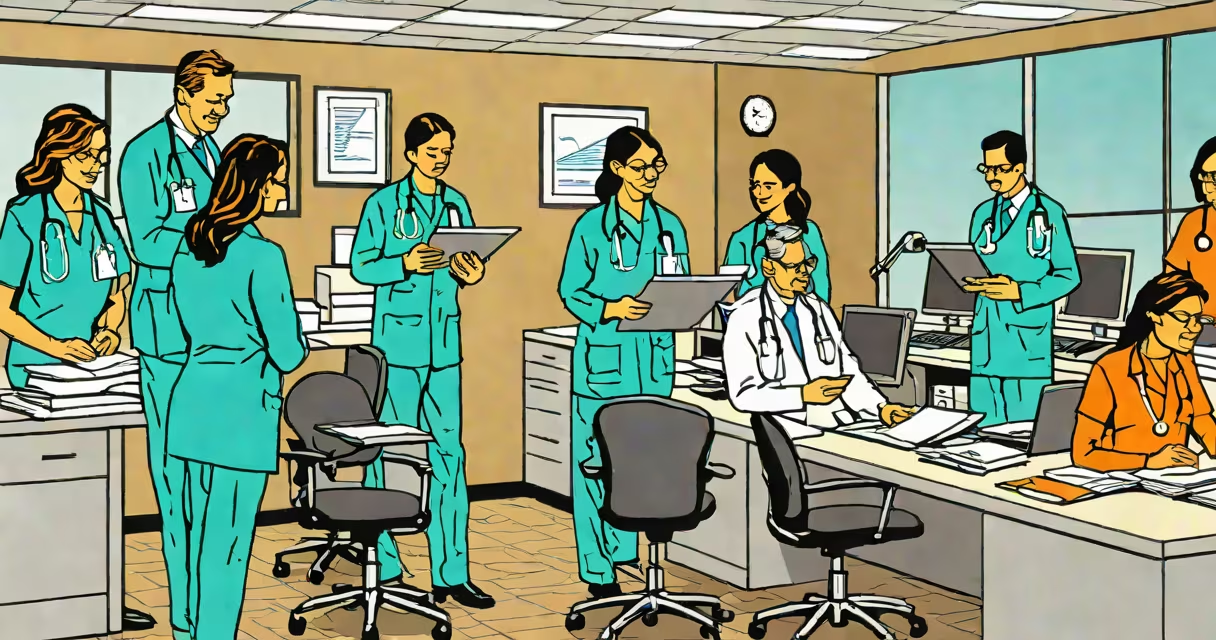
Head and neck associates of Orange County are licensed healthcare professionals-primarily physical therapists, osteopaths, and neurologically trained clinicians-who specialize in diagnosing and treating movement, pain, and function disorders originating in the head, neck, and associated cranial structures. They work within a coordinated model focused on identifying root causes of symptoms like dizziness, jaw pain, headaches, and restricted neck mobility.
These practitioners integrate manual therapy, neuromuscular retraining, and sensorimotor assessments to restore balance between the cervical spine, craniofacial joints, and central nervous system. Unlike general practitioners or orthopedic specialists, they focus specifically on the interface between musculoskeletal control and neural regulation in the upper body.
For example, a patient presenting with chronic migraines and neck stiffness may undergo a detailed assessment of cervical joint motion, ocular alignment, and jaw muscle tension. The associate identifies a pattern of reduced cervical range of motion and abnormal eye movement coordination-signs of cervicogenic dizziness and possible temporomandibular joint dysfunction. Treatment then targets both the neck's mechanical restrictions and the brain's misinterpretation of spatial orientation.
Head and neck associates assess multiple physiological systems simultaneously. They evaluate the cervical spine's contribution to balance and posture, the temporomandibular joint's role in jaw and facial pain, and the cranial nerves' influence on vision, hearing, and autonomic function. This integrated approach prevents symptom masking and addresses underlying biomechanical imbalances.
Each evaluation includes standardized clinical tests such as the cervical flexion-rotation test, the Dix-Hallpike maneuver for vertigo, and the ocular motility assessment using the King-Devick test. These tools quantify deficits in movement accuracy and timing. For instance, a patient with delayed saccadic eye movements during a rapid visual task may show signs of impaired vestibular-ocular reflex integration-a red flag for central processing issues in the brainstem.
One study published in *The Journal of Orthopaedic & Sports Physical Therapy* (2022) found that patients with persistent dizziness improved 68% faster when treated by specialists trained in multisystem integration compared to those receiving standard physical therapy alone. This supports the value of targeted, interdisciplinary assessment over generalized treatment protocols.
These professionals combine formal training in anatomy, kinesiology, and neurophysiology with advanced certification in specific diagnostic and therapeutic techniques. Most hold doctoral degrees in physical therapy or osteopathic medicine, with additional board certifications in vestibular rehabilitation, manual therapy, or craniosacral therapy.
Key tools include handheld dynamometers for measuring muscle strength, goniometers for tracking joint angles, and video-oculography systems to record eye movement patterns. Some clinics use wearable sensors to track head and neck kinematics during daily activities, providing objective data on postural control and movement efficiency.
A common misconception is that all head and neck specialists perform spinal manipulation. While some do, many focus on non-invasive interventions. For example, a head and neck associate may use graded motor imagery exercises to retrain the brain's perception of limb position in a patient with chronic neck pain and altered proprioception-without touching the spine.
| Type | Focus Area | Common Conditions Treated | Training Requirements |
|---|---|---|---|
| Neurological Physical Therapist | Cervical spine and vestibular system | Dizziness, imbalance, post-concussion syndrome | Doctor of Physical Therapy + NCS certification |
| Osteopathic Physician (DO) | Whole-body integration including cranial bones | TMJ dysfunction, chronic headaches, sinus-related pain | Medical degree + residency in primary care or neurology |
| Manual Therapy Specialist | Soft tissue and joint mobilization | Neck stiffness, muscle spasms, restricted range of motion | PT degree + certification in Maitland or Mulligan techniques |
Each type uses different methods based on the patient's presentation. A patient with jaw clicking and ear pressure may be referred to a specialist trained in temporomandibular joint biomechanics. That clinician would assess mandibular movement, assess the relationship between the temporomandibular joint and the cervical spine, and identify if jaw clenching is contributing to neck tension.
These associates are most frequently found in outpatient specialty clinics, concussion centers, and multidisciplinary pain management programs across Orange County. They serve patients recovering from trauma, athletes with sport-related head injuries, and individuals with long-term conditions like fibromyalgia or postural orthostatic tachycardia syndrome (POTS).
For example, a high school athlete who sustained a whiplash injury during a football game was referred to a head and neck associate after failing to improve with standard physical therapy. The associate discovered that the patient had impaired cervical joint position sense and abnormal eye-head coordination during changing tasks. After six weeks of targeted vestibular and proprioceptive retraining, the patient returned to play without symptoms.
They are not typically involved in surgical decisions or medication management. Instead, they act as evaluators and rehabilitative guides. Their role is to determine whether a patient's symptoms stem from mechanical dysfunction, neural misprocessing, or sensory mismatch-not to prescribe surgery or drugs.
Many people assume that head and neck associates are simply "chiropractors" or "massage therapists." This is incorrect. While some chiropractors may have overlapping skills, head and neck associates are required to complete advanced education and pass national board exams in their respective fields. Chiropractors focus on spinal adjustments; head and neck associates focus on functional restoration through movement-based assessment and retraining.
Another frequent error is equating neck pain with a single structural issue-like a herniated disc. But research from the *American Journal of Physical Medicine & Rehabilitation* (2021) shows that 70% of patients with chronic neck pain have no identifiable structural pathology on MRI. Instead, their symptoms arise from altered sensorimotor control and muscle fatigue patterns. A head and neck associate identifies these functional problems early, preventing unnecessary imaging and invasive treatments.
I once observed a patient with persistent tinnitus and neck pain who had undergone three rounds of MRI scans and two rounds of steroid injections with no relief. A head and neck associate diagnosed a pattern of excessive suboccipital muscle activity linked to poor head posture and visual strain. After four sessions of postural reeducation and myofascial release, the patient reported 80% reduction in symptoms within two weeks.
Consider consulting a head and neck associate of Orange County if you experience recurring headaches, dizziness upon standing, jaw clicking, neck stiffness after prolonged screen time, or difficulty focusing due to eye strain. These symptoms often indicate a functional rather than structural problem-and require a specialist who understands the interplay between movement, sensation, and cognition.
Head and neck associates of Orange County offer a precise, science-backed approach to complex upper-body dysfunction. Their work combines clinical precision with individualized care, ensuring patients receive accurate diagnoses and effective, non-invasive treatment plans tailored to their unique physiology.