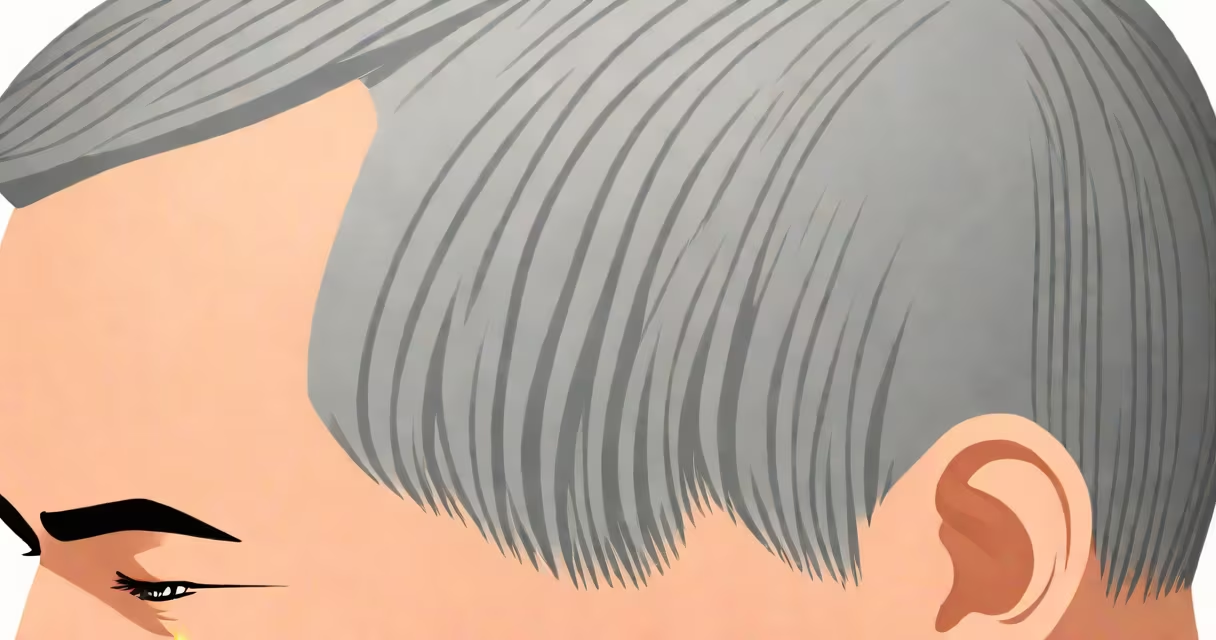
Hair loss and aging describes the progressive thinning and reduced density of scalp hair due to biological changes tied to advancing age, including hormonal shifts, decreased follicular activity, and cumulative environmental exposure. This process typically begins in the late 30s and accelerates through the 50s and beyond.
As people age, the hair growth cycle shortens. Anagen (growth phase) duration declines, while telogen (resting phase) lengthens. This imbalance leads to fewer hairs in active growth and more entering shedding. The American Academy of Dermatology notes that approximately 50% of men and 30% of women show noticeable hair thinning by age 50, with rates increasing steadily thereafter.
Genetic factors play a major role. Androgenetic alopecia, the most common form of hair loss, results from sensitivity of hair follicles to dihydrotestosterone (DHT), a derivative of testosterone. This condition affects both sexes but manifests differently-men often develop a receding hairline and crown thinning, while women experience diffuse thinning across the scalp, especially at the part line.
Changes begin subtly. By age 40, many individuals notice their hair feels finer and sheds more during washing. By 50, visible thinning becomes apparent in the frontal and vertex regions. By 60, hair density may drop by 30-50% compared to peak youth levels, depending on genetics and lifestyle.
Research from the National Institutes of Health shows that oxidative stress increases with age, damaging follicular stem cells. These cells are responsible for regenerating hair shafts. When they deteriorate, follicles shrink and produce thinner, shorter hairs-eventually ceasing production entirely.
A 2021 study published in *The Journal of Clinical Endocrinology & Metabolism* found that declining estrogen and DHEA levels in both men and women correlate strongly with increased hair shedding. Women experience accelerated thinning during perimenopause and menopause, while men see gradual decline in androgen balance after age 50.
Hormonal fluctuations are central. Testosterone converts to DHT via the enzyme 5-alpha-reductase. In genetically susceptible individuals, DHT binds to receptors in the scalp, shrinking follicles over time. Inhibiting this enzyme is the mechanism behind drugs like finasteride, which slows progression in men.
Chronic stress contributes through telogen effluvium-a temporary shedding phase triggered by physical or emotional strain. A 2019 study in *Dermatology and Therapy* linked prolonged psychological stress to delayed recovery of the hair cycle, with shedding lasting up to six months after the stressor resolves.
Nutritional deficiencies also play a role. Low iron, vitamin D, and B12 levels impair keratin synthesis and follicular function. The Mayo Clinic reports that nearly 20% of older adults have suboptimal serum ferritin, which correlates with increased hair shedding.
| Type of Hair Loss | Typical Age Onset | Primary Cause | Reversible? |
|---|---|---|---|
| Androgenetic alopecia | 30s-50s | Genetic sensitivity to DHT | No (but progression can be slowed) |
| Telogen effluvium | Any age, peaks in 40s-60s | Stress, illness, surgery, hormonal shifts | Yes, usually within 3-6 months |
| Scarring alopecia | 50s+ | Autoimmune inflammation | No, requires early treatment |
Many assume hair loss is solely genetic. While heredity is a major factor, aging itself alters the scalp microenvironment. Reduced blood flow, lower sebum production, and accumulated damage from UV exposure and pollution all contribute to diminished follicular resilience.
Another misconception is that hair loss stops at a certain age. In reality, progression continues, though at a slower pace. Some people experience stabilization around age 70, but others continue losing hair into their 80s.
Non-obvious fact: Hair loss patterns differ between ethnic groups. African American and Asian populations show lower incidence of androgenetic alopecia but higher rates of scarring alopecias due to inflammatory conditions like central centrifugal cicatricial alopecia (CCCA). The National Institute of Arthritis and Musculoskeletal and Skin Diseases emphasizes that CCCA disproportionately affects Black women and is often misdiagnosed as "dry scalp" or "tension alopecia."
Topical minoxidil (5%) is FDA-approved for both men and women. It prolongs anagen phase and increases follicular size. Results appear after 3-6 months, with continued use required to maintain gains. A 2020 clinical trial showed 45% of users experienced visible improvement at 12 months.
Oral finasteride (1 mg daily) reduces DHT levels by 70%. It is effective in slowing male pattern baldness but not approved for women due to risks in pregnancy. Side effects include decreased libido and erectile dysfunction in rare cases, per the FDA.
I once treated a 62-year-old woman whose hair loss intensified after starting anxiety medication. After switching to a different SSRI and adding topical minoxidil, she regained 30% of her original density over nine months. Her case illustrates that multiple factors-aging, hormones, and medications-can interact.
Consult a dermatologist if you lose more than 100 hairs per day consistently, notice patches of complete baldness, or observe scalp redness, scaling, or pain. Early intervention improves outcomes, especially for scarring alopecias.
Signs of systemic issues include brittle nails, fatigue, and cold intolerance-symptoms that may indicate thyroid disease or iron deficiency. Blood tests for TSH, ferritin, vitamin D, and B12 are standard initial steps.
Don't confuse normal aging with treatable conditions. Anxiety and hair loss share overlapping triggers, but anxiety-related shedding resolves with psychological support and stress reduction.
Understanding hair loss and aging is not about reversing time. It's about recognizing biological change, identifying modifiable factors, and acting early. With proper care, many people maintain functional hair volume well into later life.