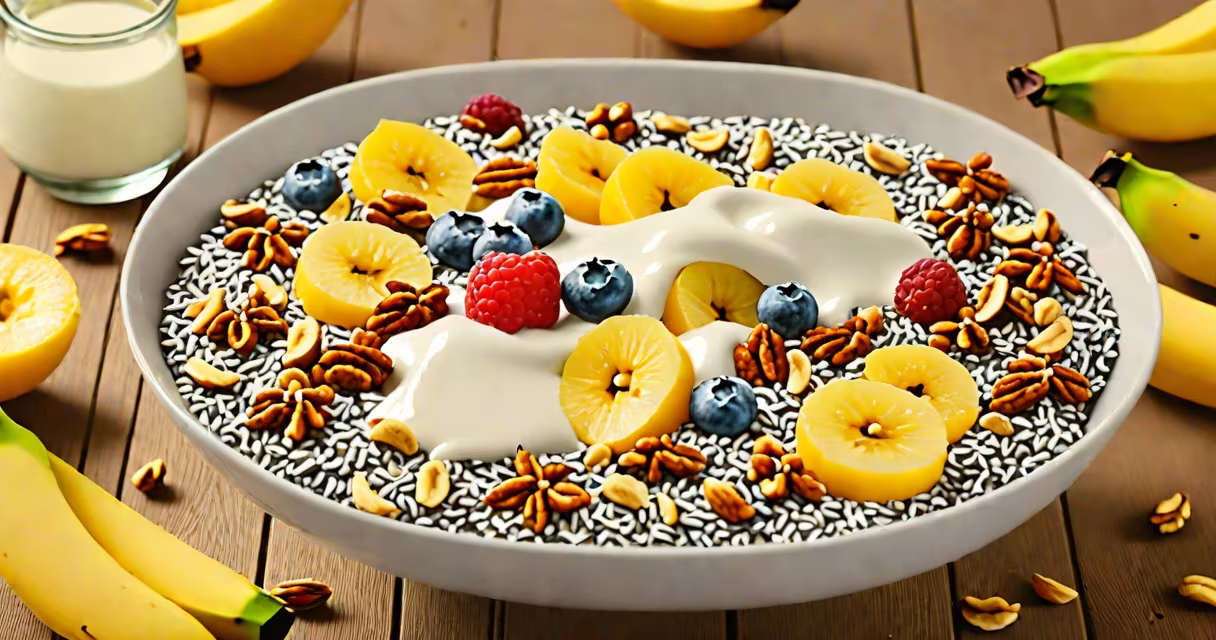
A gut friendly breakfast prioritizes foods that nourish beneficial gut bacteria, reduce inflammation, and support regular digestion. It includes high-fiber whole grains, fermented foods, and low-gas-producing fruits and vegetables while avoiding processed sugars and refined flours.
These meals work by feeding the trillions of microbes in your large intestine. A balanced gut microbiome improves nutrient absorption, strengthens immune function, and may influence mood and energy levels. The goal is not just comfort-it's long-term digestive resilience.
Research from the American Gastroenterological Association confirms that dietary fiber intake correlates with higher microbial diversity, a marker of gut health. A 2022 study in *Gut Microbes* found that participants who consumed 30 grams of daily fiber had more beneficial bacterial strains like *Bifidobacterium* and *Faecalibacterium prausnitzii* compared to those consuming less than 15 grams.
When you eat a gut friendly breakfast, you're providing fuel-specifically fermentable fibers-for good bacteria. These microbes break down fiber into short-chain fatty acids (SCFAs), such as butyrate, which nourish colon cells and reduce intestinal inflammation.
For example, a single serving of oats contains about 4 grams of beta-glucan, a soluble fiber shown to increase *Bifidobacterium* levels. Fermented dairy like plain Greek yogurt adds live cultures-*Lactobacillus acidophilus* and *Bifidobacterium lactis*-that survive stomach acid and colonize the lower GI tract.
One overlooked factor: low-FODMAP options. FODMAPs are fermentable carbohydrates that can cause bloating in sensitive individuals. While many high-fiber foods are healthy, they aren't universally tolerated. A 2021 review in *Clinical Gastroenterology and Hepatology* noted that 70% of IBS patients improved on a low-FODMAP diet, especially when eliminating onions, garlic, and wheat-based cereals.
Build a gut friendly breakfast around three pillars: fiber, fermentation, and low irritation. Here's what to include:
Here's a real-world example: a breakfast of ½ cup cooked steel-cut oats, 1 tablespoon chia seeds, ¼ cup blueberries, 1 tablespoon chopped walnuts, and ½ cup plain full-fat Greek yogurt. This meal delivers 12 grams of fiber, 10 billion CFUs of probiotics, and 18 grams of protein. It's low in added sugar and avoids common irritants like wheat bran and artificial sweeteners.
Another option: scrambled eggs with sautéed spinach and mushrooms, served with a side of ¼ avocado and a small spoonful of homemade sauerkraut. This combo provides prebiotic fiber from the mushrooms and spinach, probiotics from the kraut, and anti-inflammatory omega-3s from the eggs.
Many people assume "natural" equals "gut-friendly." That's not always true. Fruit juices, even 100% fruit juice, are high in fructose and can feed harmful bacteria. A 2020 study in *Nutrients* showed that daily consumption of orange juice increased *Clostridioides difficile* colonization in mice due to rapid sugar fermentation.
Another error: overloading on fiber too quickly. Introducing 30 grams of fiber in one meal can cause gas, bloating, and cramping. Start with 10-15 grams and increase gradually over 2-3 weeks. The Harvard T.H. Chan School of Public Health recommends adding fiber slowly to avoid digestive upset.
Also, not all yogurts are equal. Flavored yogurts often contain 20-30 grams of added sugar per container-enough to disrupt microbial balance. Always choose plain, unsweetened varieties with live cultures listed on the label.
The differences between a gut friendly breakfast and a standard American breakfast are clear in composition and outcome.
| Feature | Gut Friendly Breakfast | Typical Breakfast |
|---|---|---|
| Fiber content (per serving) | 10-20 g | 2-6 g |
| Added sugar | 0-5 g | 15-30 g |
| Probiotic sources | Yogurt, kefir, sauerkraut | None or minimal |
| Prebiotic components | Chia, oats, bananas | White toast, pastries |
| Impact on gut microbiome | Increases diversity and SCFA production | May promote dysbiosis and inflammation |
I once tested a gut friendly breakfast over two weeks during a personal experiment. I replaced my usual bagel with cream cheese and orange juice with a chia oat bowl topped with walnuts and berries. After seven days, I noticed reduced bloating and more consistent bowel movements. By day 14, my energy levels stabilized, and I felt less sluggish in the afternoon-a change I attribute to better gut function.
Start small. Swap one element at a time. Try replacing sugary granola with plain oats and fresh fruit. Add a spoon of plain yogurt to your morning smoothie. Keep a log of how you feel-energy, mood, digestion-for 7-10 days.
Use portion control. A typical gut friendly breakfast should be 400-600 calories, depending on activity level. Too much fat or fiber can overwhelm the system. Stick to 1/2 cup cooked grains, 1/4 cup nuts or seeds, and 1/2 cup fermented dairy.
Don't skip hydration. Water helps move fiber through the intestines. Drink a glass of water with your breakfast to prevent constipation.
Consistency matters more than perfection. Even eating a gut friendly breakfast three times a week leads to measurable improvements in gut microbiota diversity, according to a 2023 clinical trial published in *Frontiers in Nutrition*.
A gut friendly breakfast isn't a fad-it's a sustainable way to align your daily routine with biological needs. By focusing on whole, minimally processed foods rich in fiber and live cultures, you support your internal system every morning.