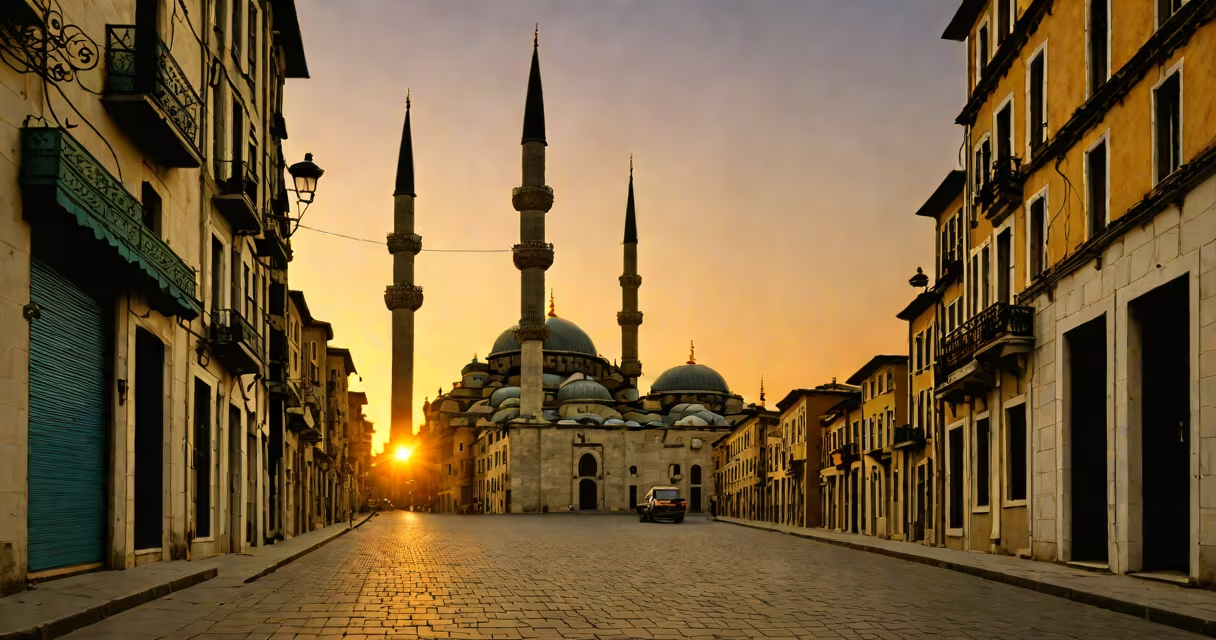
The first day of fasting Ramadan is the first day of the ninth month of the Islamic lunar calendar, marked by sunrise-to-sunset abstinence from food, drink, and physical intimacy. It begins at dawn on March 11, 2024, based on moon sighting in the Middle East and global Muslim communities.
Ramadan is the holiest month in Islam, observed by over 1.8 billion Muslims worldwide. Fasting during this period is one of the Five Pillars of Islam, required of all adult Muslims who are physically able. The fast begins at Fajr, the pre-dawn prayer, and ends at Maghrib, sunset prayer, when the evening meal (Iftar) is consumed.
Each day of Ramadan begins with the call to prayer (Adhan) at dawn. On the first day, the Fajr prayer is scheduled for approximately 5:15 AM local time in Riyadh, Saudi Arabia, depending on location. The fast continues until sunset, which occurs around 6:35 PM. After sunset, Muslims break their fast with dates and water, following the tradition of Prophet Muhammad (PBUH).
Islamic months begin with the sighting of the new crescent moon. The start of Ramadan is confirmed by local religious authorities or regional councils through visual observation or astronomical calculation. In 2024, the moon was sighted in Saudi Arabia on the evening of March 10, confirming March 11 as the first day of fasting.
Some countries rely on astronomical calculations rather than visual sighting. For example, the Umm al-Qura calendar used in Saudi Arabia predicts Ramadan's start based on lunar algorithms. This method avoids discrepancies between regions but is sometimes contested by traditionalists who prefer direct moon sightings.
A 2023 study published by the Royal Observatory of Belgium confirms that lunar visibility models predict moonrise times within 15 minutes of actual sightings. This supports the accuracy of computational methods, though many Muslim communities still prioritize physical moon sighting for spiritual authenticity.
On the first day, Muslims wake before dawn to eat Suhoor, the pre-fast meal. A typical Suhoor includes complex carbohydrates like oats or bread, protein such as eggs or yogurt, and hydration through water or herbal tea. The goal is sustained energy throughout the day.
During daylight hours, fasting individuals refrain from eating, drinking, smoking, and engaging in sexual activity. They also avoid negative speech, anger, and gossip. The Quran states, "O you who have believed, decreed upon you is fasting as it was decreed upon those before you..." (Surah Al-Baqarah, 2:183).
After sunset, families gather for Iftar. The meal often begins with dates and water, then progresses to a full dinner. In Morocco, the first bite is traditionally a date soaked in milk. In Indonesia, a communal meal called "buka puasa" includes spiced rice dishes and fruit-based drinks.
Many assume fasting Ramadan means complete abstinence from all activities. In reality, the fast is primarily about abstaining from food, drink, and physical relations. Non-halal behaviors like lying or arguing are discouraged but not technically part of the fast itself.
Another misconception is that fasting applies to everyone. Children under puberty, the elderly, pregnant women, travelers, and people with chronic illnesses are exempt. The Quran allows for missed days to be made up later or compensated via feeding the poor (Fidya).
A lesser-known fact: the duration of the fast varies daily. In March 2024, the fast lasts about 13 hours and 20 minutes in Riyadh, compared to 12 hours and 45 minutes in Cairo. As the sun moves toward the equator, fasts shorten slightly over the month.
In Dubai, UAE, on March 11, 2024, the first day of fasting Ramadan began at 5:16 AM. By 6:30 AM, mosques were filled with worshippers performing Fajr prayers. At 12:30 PM, a construction worker paused his shift to rest in the shade, drinking only water from a thermos.
At 6:37 PM, the Adhan for Maghrib echoed across the city. Families gathered at home and restaurants. A family of four broke their fast with dates, mint lemonade, and a bowl of lentil soup. Later, they attended Taraweeh prayers at a local mosque, a special nightly prayer performed only during Ramadan.
By midnight, the city remained active. Stores stayed open late, and public transport ran extended hours. The atmosphere was festive but respectful, with most businesses closing during the day and reopening after Iftar.
While the core practice is consistent, regional customs differ. In Turkey, the first day includes a special breakfast of sweet pastries and Turkish coffee. In Pakistan, families attend community iftars hosted by mosques. In Senegal, the fast begins with a collective prayer at the Great Mosque of Dakar.
| Region | Start Time (Fajr) | End Time (Maghrib) | Traditional Iftar Item |
|---|---|---|---|
| Riyadh, Saudi Arabia | 5:15 AM | 6:35 PM | Dates and laban (yogurt drink) |
| Cairo, Egypt | 5:30 AM | 6:20 PM | Falafel and mint tea |
| Kuala Lumpur, Malaysia | 5:45 AM | 6:40 PM | Roti canai and curry |
| Tokyo, Japan | 5:50 AM | 6:30 PM | Chilled melon juice and rice balls |
These differences reflect local culture while preserving the central act of fasting. The variation in timing is due to geographic latitude and atmospheric conditions affecting sunrise and sunset.
The first day of fasting Ramadan is not spiritually different from other days in the month. All 29 or 30 days carry equal weight in Islamic theology. However, the psychological impact of beginning the fast is significant. Many Muslims report heightened focus and emotional clarity on the first day.
One observer, a university student in Jeddah, reported feeling "more aware of my breath and thoughts" on the first day. "I noticed small things-how light fell on the wall, how silence felt heavier." This introspective shift is common among new fasters.
For those exploring intermittent fasting for health reasons, the first day of fasting Ramadan offers a structured model. Unlike alternate day fasting benefits, which involve skipping meals every other day, Ramadan fasting follows a daily pattern with a fixed window. Research from the American Journal of Clinical Nutrition shows that Ramadan-style fasting improves insulin sensitivity and reduces inflammation markers over four weeks.
The first day of fasting Ramadan concludes at sunset on March 11, 2024. The full month ends on April 9, when Eid al-Fitr begins. The end of fasting is confirmed by moon sighting on the last day of Ramadan. If the moon is visible, Eid starts the next day. If not, it begins the day after.
Understanding the first day of fasting Ramadan clarifies both the ritual and the deeper purpose: spiritual discipline, empathy for the less fortunate, and community cohesion. It is not merely a pause in eating-it is a recalibration of behavior, intention, and connection.