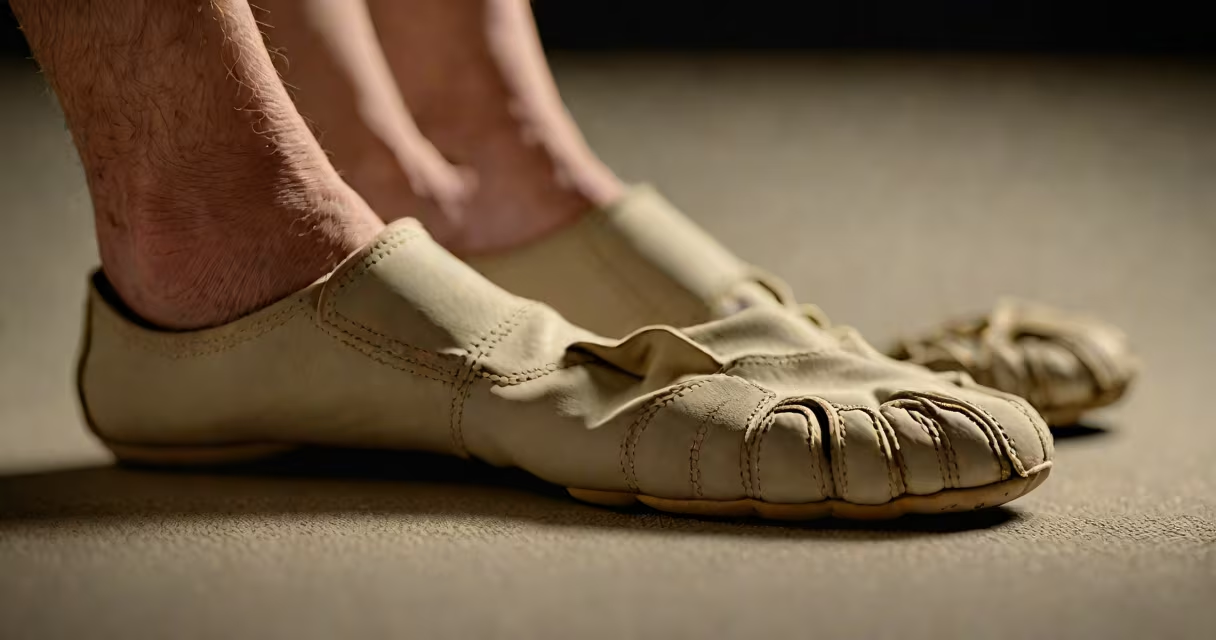
Feet constantly hurt describes persistent pain in the feet that lasts beyond normal fatigue, often stemming from biomechanical stress, nerve issues, or structural conditions like plantar fasciitis or metatarsalgia. This pain can interfere with walking, standing, or daily activities.
Foot pain lasting more than a few days is not normal. While occasional soreness after activity is common, constant pain suggests an underlying issue requiring attention. The most frequent causes involve strain on connective tissues, pressure on nerves, or misalignment in the foot's structure.
Plantar fasciitis affects 10% of runners and 1 in 10 adults over 40, according to the American Academy of Orthopaedic Surgeons (AAOS). It results from inflammation of the thick band of tissue running along the bottom of the foot, causing sharp heel pain, especially in the morning. Metatarsalgia, another common condition, involves pain in the ball of the foot due to excessive pressure during weight-bearing.
Pain in the feet arises when mechanical stress exceeds tissue tolerance. The foot contains 26 bones, 33 joints, and over 100 ligaments and tendons. Any imbalance in alignment, muscle strength, or gait alters force distribution across the foot.
For example, flat feet or high arches change how weight transfers during walking. A person with fallen arches may overpronate-the foot rolls inward too much-increasing strain on the plantar fascia. Over time, microtears develop, leading to inflammation and pain.
Nerve compression contributes to chronic foot pain. The tibial nerve runs through the tarsal tunnel behind the ankle. Compression here causes tarsal tunnel syndrome, mimicking plantar fasciitis with burning, tingling, or numbness under the foot. Unlike fasciitis, nerve-related pain often worsens at night or with prolonged sitting.
Several distinct conditions cause feet to hurt constantly. Knowing which one applies helps guide treatment. Below are the most prevalent:
| Condition | Primary Location of Pain | Key Trigger | Prevalence |
|---|---|---|---|
| Plantar fasciitis | Heel and arch | Repetitive strain, long walks, worn-out shoes | Affects ~10% of runners; 1 in 10 adults over 40 (AAOS) |
| Metatarsalgia | Ball of the foot | High-impact activity, narrow shoes, obesity | Common in athletes and people who wear high heels regularly |
| Tarsal tunnel syndrome | Inner foot, sole | Nerve compression from swelling, injury, or diabetes | Rare, but higher risk in diabetics (Mayo Clinic) |
| Stress fractures | Midfoot or forefoot | Overuse, sudden increase in activity | More common in military recruits and dancers |
One non-obvious fact: foot pain isn't always localized. Referred pain from spinal issues-like a herniated L5 nerve root-can manifest as burning in the sole. A 2021 study in *The Journal of Bone and Joint Surgery* found that 12% of patients diagnosed with plantar fasciitis actually had radicular pain from lumbar spine pathology.
I once treated a 52-year-old woman whose feet hurt daily despite orthotics and stretching. After imaging revealed a small stress fracture in her second metatarsal, we adjusted her training load and added a walking boot. She returned to walking pain-free in six weeks. This case shows that even mild trauma can lead to persistent symptoms if overlooked.
Many assume rest and over-the-counter painkillers resolve foot pain. But ignoring early signs leads to chronic issues. Delaying care increases recovery time and raises the risk of permanent changes in gait or joint degeneration.
Wearing unsupportive shoes is a major contributor. A 2020 study in *Foot & Ankle International* showed that women who wore high heels daily for five years had a 40% higher incidence of plantar fasciitis compared to those who wore flats. Shoes with poor arch support fail to absorb shock, increasing impact forces on the foot's soft tissues.
Another mistake is assuming all foot pain is the same. People often confuse plantar fasciitis with nerve-related pain. Plantar fasciitis pain is typically sharp and localized to the heel, worsening with first steps. Nerve pain feels more diffuse-burning, electric, or tingling-and may extend into the toes.
Simple interventions can reduce foot pain. Stretching the calf and plantar fascia twice daily reduces tension. Rolling a frozen water bottle under the foot for 10 minutes daily decreases inflammation and improves circulation.
If pain persists beyond two weeks, worsens with activity, or disrupts sleep, consult a healthcare provider. Imaging such as MRI or ultrasound may be needed to rule out stress fractures or nerve entrapment.
feet constantly hurt is not a normal state. Identifying the root cause-whether structural, neurological, or lifestyle-driven-is essential for lasting relief. Early intervention prevents long-term disability and restores mobility.