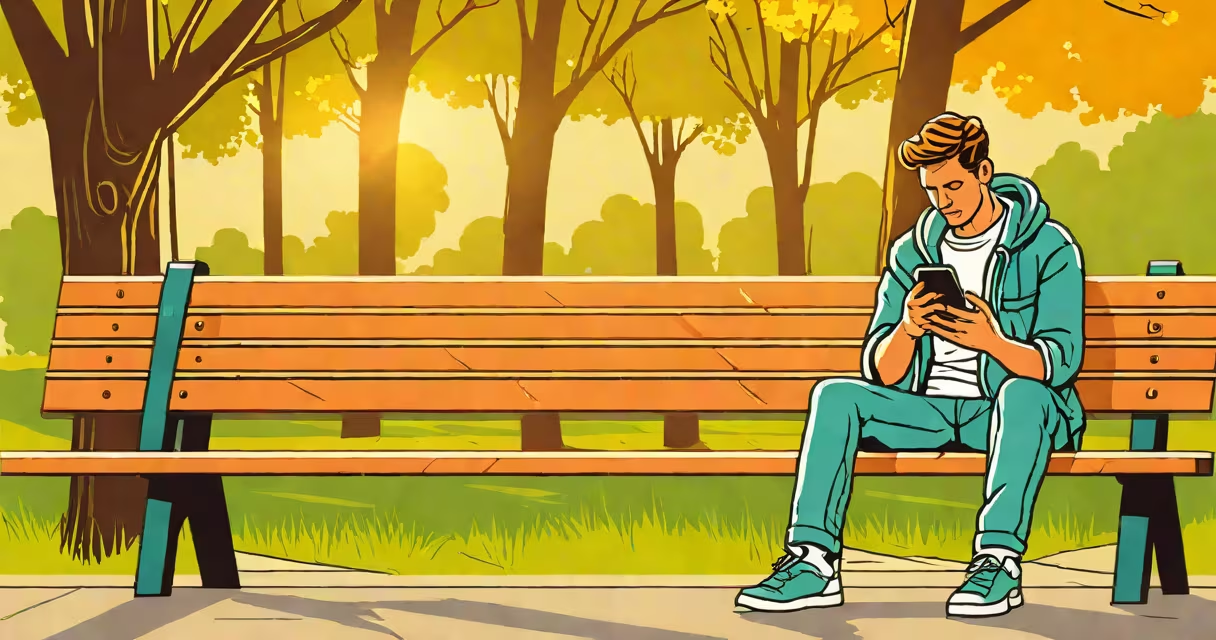
Feeling lonely what to do refers to taking deliberate, evidence-based actions to reduce emotional isolation and strengthen meaningful connections when experiencing persistent loneliness. It's not just about being alone-it's about lacking perceived social connection, which affects mood, sleep, and physical health.
Loneliness is not simply solitude. It's a mismatch between desired and actual social relationships. The American Psychological Association defines it as "a distressing feeling that arises when people perceive a gap between the social connections they want and those they have." This gap triggers stress responses linked to higher risks of heart disease, depression, and cognitive decline.
When you feel lonely, your brain activates threat-detection systems similar to those used during physical danger. A 2020 study published in *Nature Human Behaviour* found that loneliness increases activity in the amygdala-the brain's fear center-and reduces activity in regions tied to empathy and social bonding. This biological response explains why loneliness feels urgent, even when you're surrounded by people.
Loneliness often begins subtly. You might skip a friend's event because you're tired, then feel guilty afterward. Over time, avoidance becomes habit. The cycle reinforces isolation: fewer interactions lead to less confidence in social settings, which leads to further withdrawal.
Some people report feeling lonely despite having many contacts. A 2021 survey by the Cigna U.S. Loneliness Index found that 61% of adults reported feeling lonely, even when connected online. Digital interaction doesn't substitute for face-to-face emotional resonance. Texts and likes don't trigger oxytocin release the way eye contact, shared laughter, or touch do.
A non-obvious truth: loneliness isn't always about quantity of relationships. Quality matters more. Research from the University of Chicago shows that people with one deeply trusted relationship report lower loneliness levels than those with ten superficial ones. Depth beats breadth.
Effective strategies aren't about forcing yourself into social events. They focus on small, consistent steps that rebuild trust and connection. Start with low-pressure interactions: make eye contact with a cashier, ask a neighbor about their garden, or send a brief message to someone you haven't spoken to in months.
One proven method is the "three-minute rule": commit to staying in a conversation for just three minutes longer than you'd normally leave. This builds tolerance for discomfort and opens space for deeper exchange. A 2019 study in *Journal of Social and Personal Relationships* showed participants who practiced this for two weeks reported significant reductions in loneliness after eight sessions.
Another effective step is joining a group centered around a shared interest-not for networking, but for presence. For example, attending a weekly book club, volunteering at a food pantry, or signing up for a beginner's pottery class. These activities create structure and shared purpose, both of which reduce feelings of aimlessness.
Many assume loneliness is solved by meeting more people. But adding more contacts without intention can worsen anxiety. A 2022 study in *Personality and Social Psychology Bulletin* found that individuals who joined large social groups without clear goals reported higher loneliness over time due to unmet expectations.
Others confuse loneliness with depression. While they overlap, they're distinct. Depression involves pervasive sadness, fatigue, and loss of interest. Loneliness is a specific lack of connection. You can be depressed without being lonely, and lonely without being clinically depressed.
Also, loneliness isn't a personal failure. It's a human condition shaped by biology, environment, and culture. The World Health Organization recognizes loneliness as a public health concern, citing rising rates among adolescents and older adults alike.
| Action | Why It Works | Example |
|---|---|---|
| Send a simple message | Triggers reciprocal engagement and releases dopamine | "Hey, saw your post about hiking-any trails you'd recommend?" |
| Join a low-commitment group | Provides routine and shared identity | Weekly community gardening session at a local park |
| Practice active listening | Builds trust faster than sharing your own story | Ask follow-up questions: "What made that moment memorable?" |
I moved to a new city for work in 2022. Within six weeks, I felt disconnected. I'd walk past cafés full of people and think, "I don't belong here." I tried going to bars, but the noise overwhelmed me. I didn't know anyone.
Then I signed up for a free weekly walking group hosted by a local nonprofit. I went every Tuesday for four weeks. On the third week, I noticed a woman walking behind me. We exchanged smiles. On the fifth week, she asked if I wanted to join her for coffee after. We've met twice since-once for a museum visit, once for a movie.
That small shift-from passive observer to participant-changed my sense of belonging. I didn't "fix" my loneliness. I created conditions where connection could grow.
If you're struggling with feeling lonely what to do, start with one small action. Not "find a friend," but "text someone you haven't spoken to in a month." Not "join a club," but "show up to one event." Progress isn't linear. But consistent effort reduces isolation over time.
Feeling lonely what to do isn't about fixing yourself. It's about creating space for others to see you-and for you to see them.