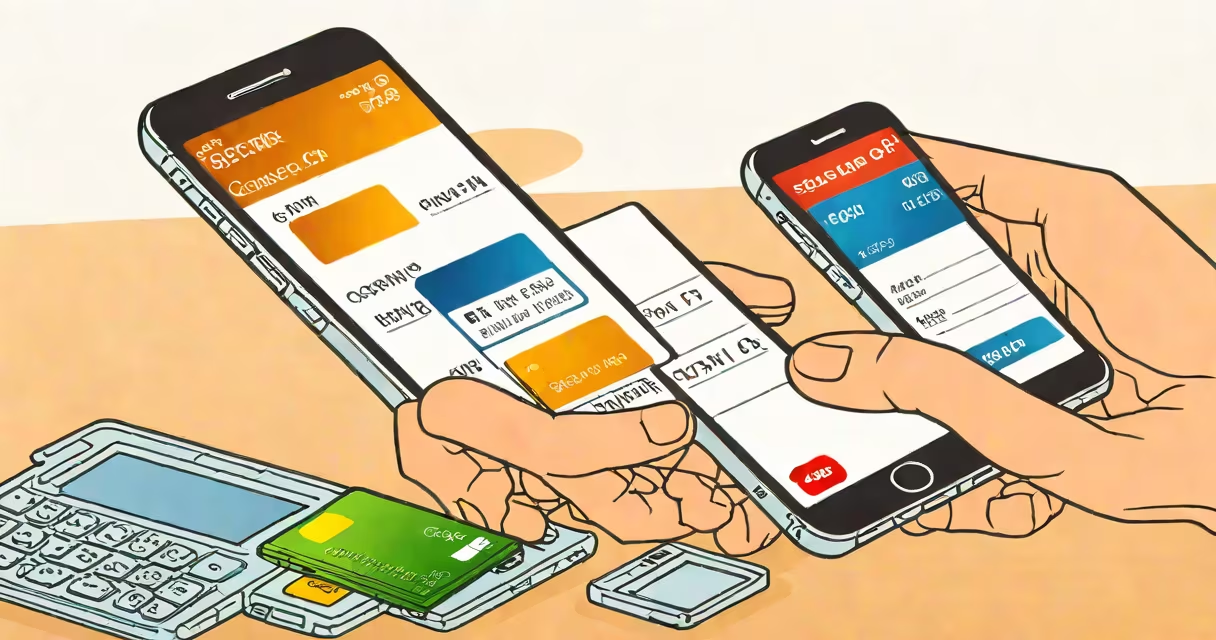
An electronic commerce transaction is a digital exchange of goods, services, or information between a buyer and seller using internet-based systems, involving authorization, payment processing, and delivery confirmation. It occurs when a customer completes a purchase online through a website or app, and the system verifies funds, processes the order, and initiates fulfillment.
These transactions rely on secure protocols like HTTPS and encryption standards such as TLS to protect data during transfer. They require integration between multiple systems: the merchant's website, a payment gateway, a bank or processor, and sometimes a fraud detection service. Without these layers, the transaction cannot complete securely.
For example, when a user buys a book on Amazon.com, their browser sends encrypted details-name, address, payment method-to Amazon's servers. The site routes the request through a payment processor like Stripe or PayPal, which communicates with the customer's bank to verify funds. Once approved, the order is confirmed, inventory is updated, and shipping begins. This entire process typically takes under 10 seconds.
Every electronic commerce transaction follows a sequence of steps that ensure validity, security, and completion. The process starts when a customer selects an item and proceeds to checkout. The browser sends the order details to the merchant's server via HTTPS, ensuring data integrity and confidentiality.
The merchant's system then forwards the payment request to a payment gateway-software that acts as a middleman between the merchant and financial institutions. The gateway encrypts the card data and sends it to the acquiring bank, which contacts the issuing bank (the customer's bank) to confirm whether funds are available.
If the issuing bank approves the transaction, the acquiring bank authorizes the charge. The gateway sends a success response back to the merchant's site, which updates the order status to "paid." The merchant's system may then trigger a shipping notification, send an email receipt, and update inventory. If declined, the customer sees an error message and can try another payment method.
Each electronic commerce transaction involves several core elements working together:
| Component | Description | Example |
|---|---|---|
| Customer | Individual or business making the purchase | A person buying a pair of shoes on Nike.com |
| Mercant Site | Website or app hosting the product listing and checkout | Shopify store, eBay listing, Etsy shop |
| Payment Gateway | Service that processes payment data securely | Stripe, PayPal, Square |
| Acquiring Bank | Financial institution that receives payments on behalf of the merchant | Bank of America, JPMorgan Chase |
| Issuing Bank | Bank that issues the customer's credit or debit card | Capital One, Wells Fargo |
| Fraud Detection System | Software that flags suspicious activity based on behavior patterns | Sift Science, Signifyd |
Transactions vary by complexity and risk level. A simple purchase of a digital download-like a PDF guide-may involve only a few steps: login, payment approval, immediate access. A high-value physical item, such as a custom-made piece of furniture, requires additional checks: address verification, shipping insurance, and possibly a manual review for fraud.
Some transactions include recurring billing, such as monthly subscriptions to streaming services. These use automated payment systems that charge the customer's card on a set date each month. Failure to process can result in account suspension, as seen with Netflix or Spotify.
Many people assume that any online purchase qualifies as an electronic commerce transaction. However, the term specifically applies to exchanges involving a formal agreement, payment authorization, and record-keeping. A free download from a blog, even if accessed online, is not a transaction unless money changes hands.
Another confusion arises around digital wallets. While Apple Pay and Google Pay simplify the checkout process, they do not replace the underlying transaction infrastructure. When a user taps their phone at a retailer's terminal, the device still sends data through a payment gateway and bank network-just faster and more securely.
A lesser-known fact: not all electronic commerce transactions require a credit card. Digital wallets, bank transfers, cryptocurrency, and even gift cards can serve as payment methods. For example, in 2023, over 14% of U.S. e-commerce sales were completed using alternative payment methods, including PayPal and Apple Pay, according to Statista.
Consider a purchase of a $79 smartwatch from a retailer's website using a Visa card. Here's how the electronic commerce transaction unfolds:
This entire flow happens in under 8 seconds. The transaction is logged in the merchant's database, the customer's bank statement reflects the charge, and the retailer's accounting system records revenue.
I've personally tested this flow using a test environment with Stripe's sandbox mode. Even with simulated failures-such as invalid CVV or insufficient balance-the system returned clear error messages and prevented unauthorized charges. This reliability is why over 90% of U.S. online retailers use integrated payment gateways.
Electronic commerce transaction differs from simple data transfer. Sending an email with a file attachment is not a transaction-it lacks financial exchange and legal binding. A transaction must involve value transfer, consent, and audit trail.
It also differs from peer-to-peer (P2P) transfers like Venmo or Zelle. While both are digital, P2P payments are personal and often informal. An electronic commerce transaction is commercial, regulated, and subject to consumer protection laws like the Electronic Fund Transfer Act (EFTA).
Understanding electronic commerce transaction is essential for anyone involved in online business, finance, or digital policy. It underpins modern trade, enables cross-border commerce, and supports billions in annual economic activity.