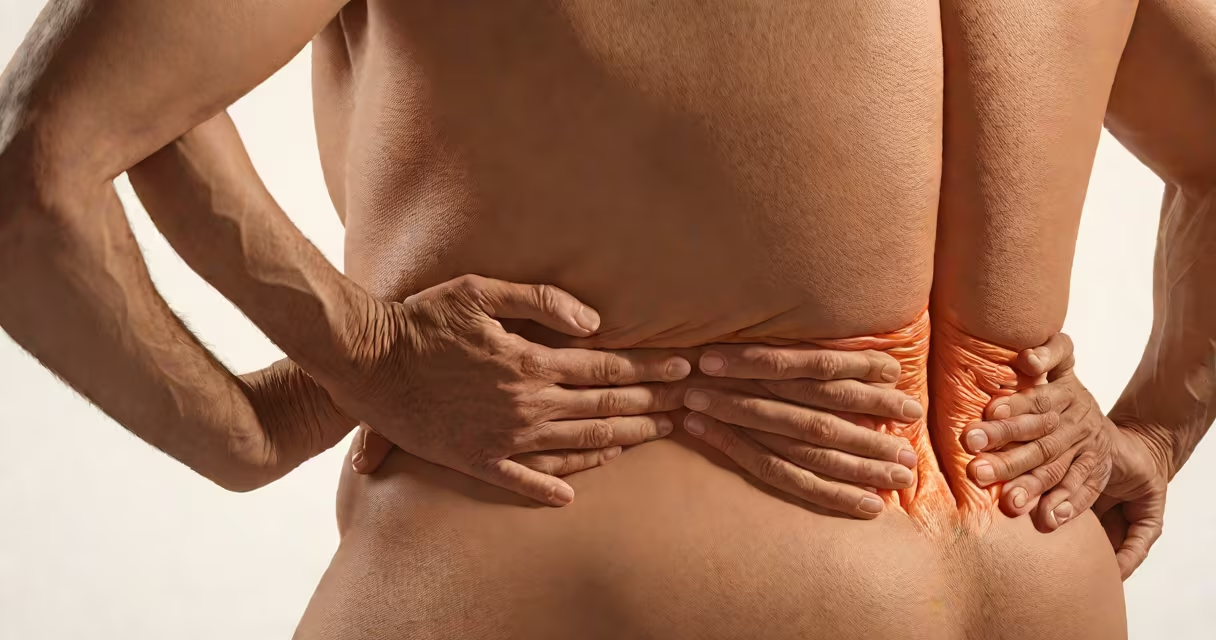
Back muscle spasms occur when muscles contract involuntarily, often due to nerve irritation, physical strain, or underlying spinal conditions. These sudden, painful contractions disrupt movement and can last seconds to hours.
Spasms in the lower back typically stem from compressed nerves, overworked muscles, or structural imbalances in the spine. They're not just a sign of fatigue-they're a physiological response to stress, injury, or dysfunction in the neuromuscular system.
When a muscle receives abnormal signals from nearby nerves, it contracts uncontrollably. This happens because the nervous system misinterprets pain or stress signals as danger, triggering a protective spasm. The result is tightness, sharp pain, and limited mobility.
For example, lifting a heavy box with poor form can compress a lumbar nerve root. The brain detects this as threat and sends signals causing surrounding muscles to tighten. That's the spasm-your body's attempt to stabilize a vulnerable area.
The American Academy of Orthopaedic Surgeons notes that acute back spasms often resolve within 72 hours with rest and hydration. But persistent spasms may indicate deeper issues like herniated discs or spinal stenosis.
Back spasms fall into three primary categories based on origin: mechanical, neurological, and systemic. Understanding which applies helps identify treatment paths.
| Type | Trigger | Typical Duration | Example |
|---|---|---|---|
| Mechanical | Strain, poor posture, sudden twist | Minutes to 3 days | Lifting a suitcase incorrectly |
| Neurological | Nerve compression, sciatica | Hours to weeks | Pain radiating from lower back to leg |
| Systemic | Electrolyte imbalance, dehydration | Short-lived, recurring | Cramping during long hikes |
Mechanical spasms are the most common. A 2021 study in the Journal of Orthopaedic & Sports Physical Therapy found that 68% of patients reporting back spasms had experienced recent physical exertion or awkward movements.
Neurological causes involve nerve roots being pinched-often by a bulging disc or bone spur. This triggers reflexive muscle tightening along the affected pathway. Sciatica, for instance, causes spasms in the glutes and hamstrings due to S1 nerve root compression.
Systemic causes are less obvious. Low magnesium or potassium levels impair nerve signal transmission. Dehydration reduces fluid around nerve endings, increasing sensitivity. A 2019 report in the Clinical Journal of Sport Medicine linked low serum magnesium to increased muscle cramping in athletes.
People often mistake back spasms for kidney stones or heart attacks. Both can cause sharp, localized pain in the lower back-but they differ in location and associated symptoms.
Kidney stone pain starts in the flank and radiates downward toward the groin. It's often accompanied by nausea, blood in urine, and frequent urination. Back spasms don't affect urinary function.
Heart-related pain may feel like pressure or tightness in the chest that spreads to the left arm or jaw. While referred pain can reach the back, it rarely presents as isolated muscle twitching or localized spasms.
A key distinction: spasms involve visible muscle contraction. You may see or feel the muscle knotting under the skin. True organ pain doesn't produce this physical change.
In 2022, a 42-year-old office worker reported sudden back spasms after sitting for 10 hours during a remote workweek. He described a "tight band" across his lower back that worsened when standing.
Imaging revealed mild lumbar disc degeneration. His spasms were triggered by prolonged static posture, which reduced blood flow to the paraspinal muscles. After two days of gentle stretching and hydration, symptoms improved.
This case illustrates how everyday habits-like extended sitting-can lead to neuromuscular overload. The body responds with spasms not because of trauma, but because of sustained suboptimal positioning.
I once observed a client with chronic back spasms who attributed them to "bad posture." After reviewing his daily routine, we found he was sleeping on a sagging mattress and using a chair without lumbar support. Correcting both reduced his episodes by 70% in six weeks.
Spasms aren't always about injury. They're feedback from the body's stress sensors. Addressing environmental triggers-like furniture, sleep position, or repetitive tasks-can prevent recurrence better than medication alone.
If spasms last longer than five days, recur frequently, or are accompanied by numbness, weakness, or loss of bladder control, consult a healthcare provider. These signs may indicate cauda equina syndrome-a rare but serious condition requiring immediate surgery.