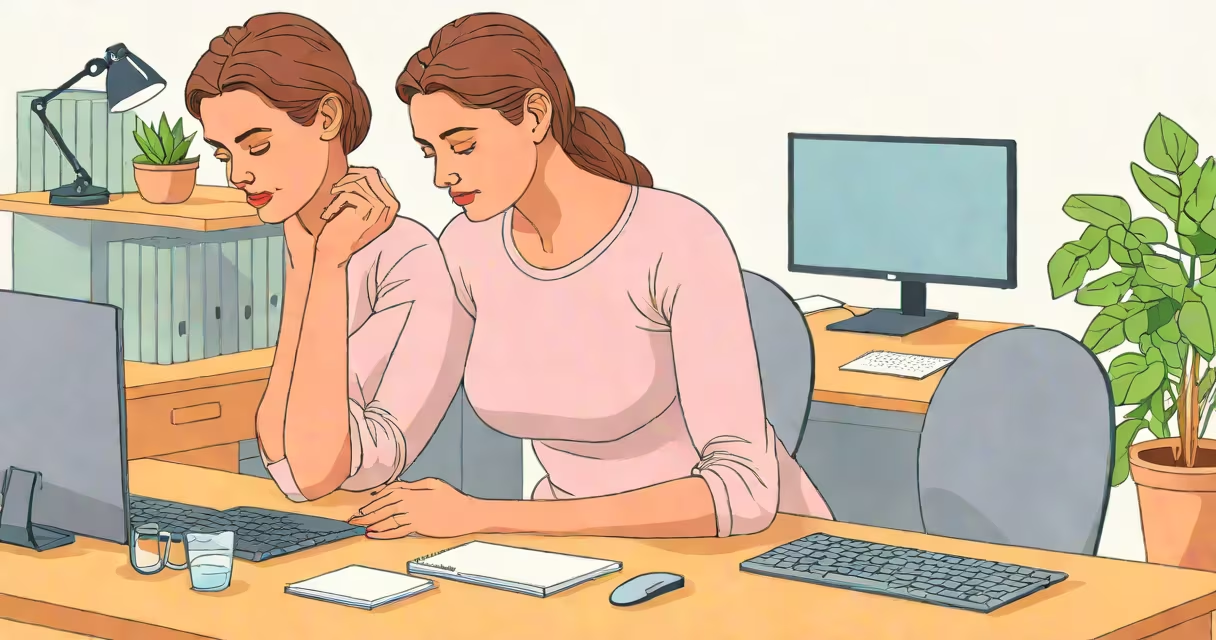
Bad posture and rib pain occur when prolonged slouching or improper spinal alignment strains the muscles, joints, and cartilage around the rib cage, leading to localized or radiating discomfort, especially during breathing or movement. This condition often results from daily habits like desk work, phone use, or uneven weight distribution.
The rib cage is supported by the thoracic spine, 12 pairs of ribs, and connective tissues. When posture deteriorates-such as forward head position, rounded shoulders, or a collapsed upper back-the surrounding musculature becomes overworked. Intercostal muscles between the ribs tighten, and costovertebral joints (where ribs attach to vertebrae) lose proper motion. This creates tension, inflammation, and nerve irritation, manifesting as sharp or dull pain in the rib area.
A 2021 study published in *The Journal of Orthopaedic & Sports Physical Therapy* found that 68% of patients reporting lateral rib pain had demonstrable postural deviations, including increased thoracic kyphosis (excessive curve) and scapular protraction. These structural changes alter biomechanics, increasing stress on the rib cage and adjacent soft tissues.
Poor posture shifts body weight forward, forcing the upper back and neck to compensate. As the spine curves excessively in the thoracic region, the rib cage compresses slightly. This reduces lung capacity and increases pressure on the intercostal nerves and joints. Over time, this mechanical stress triggers nociceptive signals-pain messages-sent to the brain.
For example, someone who sits at a computer for 8 hours a day with their chin jutting forward may develop tightness in the pectoralis minor and levator scapulae muscles. These muscles pull the shoulder girdle downward and inward, altering rib mechanics. The resulting imbalance causes the left or right side of the rib cage to rotate or tilt, straining the intercostal muscles and potentially irritating the costochondral junctions-the cartilage connecting ribs to sternum.
When the diaphragm contracts during inhalation, it pulls the lower rib cage upward. If the upper rib cage is already compressed due to poor posture, this movement becomes restricted. The resulting resistance generates pain, particularly during deep breaths, yawning, or twisting motions.
Bad posture-related rib pain typically presents as one of several distinct patterns:
| Type | Location | Trigger | Underlying Cause |
|---|---|---|---|
| Intercostal strain | Side of rib cage, between ribs | Twisting, deep breath, coughing | Tight or overused intercostal muscles from slouching |
| Costochondritis | Front of chest, near sternum | Pressure, deep breath | Inflammation of rib-sternum joints due to repetitive stress |
| Referred pain from thoracic spine | Upper back, under shoulder blade | Protracted shoulder position | Nerve compression or joint dysfunction in T1-T6 vertebrae |
One non-obvious distinction: rib pain from posture rarely occurs in isolation. It often coexists with neck stiffness, shoulder tension, or low back discomfort. A 2020 review in *Spine Journal* noted that patients with chronic rib pain and poor posture frequently show reduced thoracic mobility and altered breathing patterns, indicating a systemic issue rather than a localized injury.
While bad posture is a major contributor, rib pain can also stem from medical conditions that mimic postural strain. These include pleuritis (lung lining inflammation), rib fractures, or referred pain from internal organs like the gallbladder or heart. However, postural rib pain typically lacks red flags such as fever, sudden onset after trauma, or pain radiating to the arm or jaw.
For instance, a 34-year-old office worker reported persistent right-sided rib pain during breathing. Imaging showed no fracture or lung abnormality. After physical therapy, correcting thoracic extension and scapular control reduced pain by 80% within four weeks. This case illustrates that while imaging may rule out serious pathology, functional biomechanics remain central to diagnosis and treatment.
Another common mistake: confusing rib pain with heartburn. Acid reflux can cause burning sensations in the upper abdomen and chest, sometimes mimicking intercostal pain. But postural rib pain is usually reproducible with specific movements-like lying on one side or reaching overhead-and improves with posture correction and targeted stretching.
Correcting posture reduces strain on the rib cage and prevents recurrence. Start with ergonomic adjustments: raise your monitor to eye level, keep elbows at 90 degrees, and sit with the spine aligned. Use a lumbar support cushion to maintain the natural curve of the lower back.
Perform daily exercises targeting thoracic mobility and scapular stability. Try the "doorway stretch": stand in a doorway, place forearms on the frame, and gently lean forward to open the chest. Hold for 30 seconds, repeat three times. This stretches the pectorals and improves rib cage expansion.
For immediate relief, apply heat to the affected area for 15 minutes to relax tense muscles. Avoid prolonged static positions. Take a 5-minute break every hour to walk, stretch, or perform seated spinal twists.
If pain persists beyond two weeks despite posture correction, consult a physical therapist. They can assess rib motion, joint mobility, and muscle imbalances using manual tests like the rib spring test or passive rib motion assessment.
Recognizing the link between posture and rib pain allows early intervention. Addressing structural imbalances prevents chronic discomfort and supports long-term musculoskeletal health.