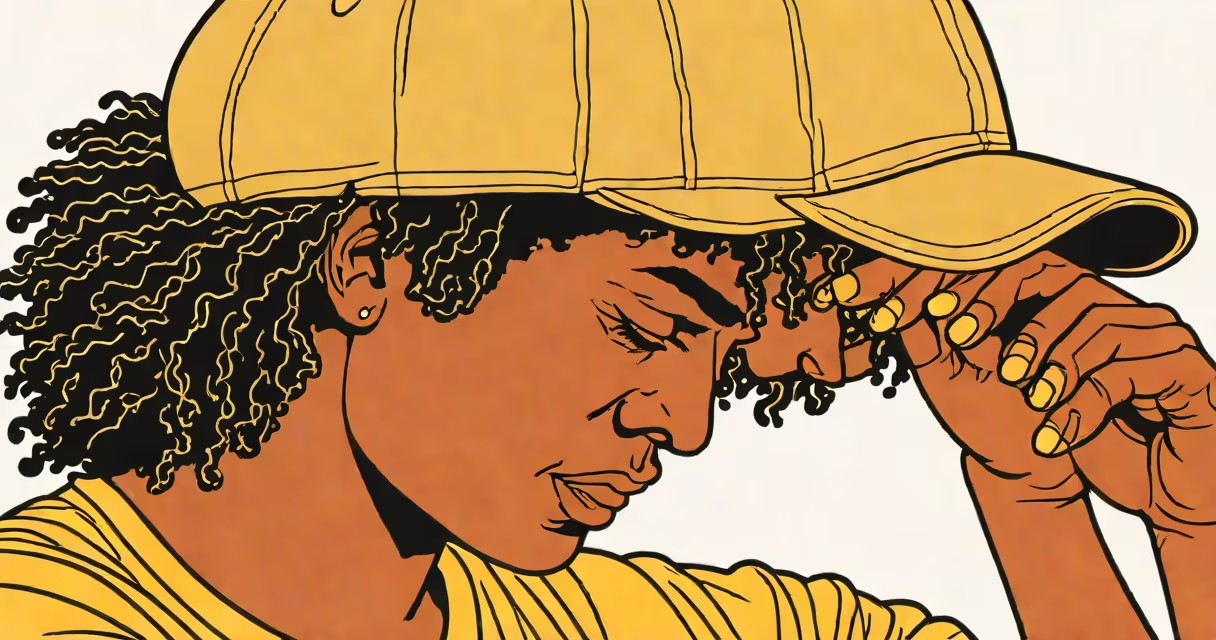
Wearing a hat every day does not cause hair loss. No scientific study confirms that regular hat use leads to thinning or baldness. Hair loss stems from genetics, hormones, medical conditions, or medications-not from wearing head coverings.
Hats do not deprive hair follicles of oxygen. Skin cells, including those on the scalp, do not rely on atmospheric oxygen. They receive oxygen through blood flow via capillaries. A hat alters neither blood supply nor oxygen diffusion to the scalp.
The myth persists because people associate tight-fitting hats with discomfort or sweating. While excessive sweat trapped under a hat may irritate the scalp, it does not trigger permanent hair loss. Dermatologists confirm that temporary irritation resolves once the hat is removed.
Hats create a microenvironment on the scalp. They trap heat and moisture, especially during physical activity or in warm climates. This environment can promote bacterial or fungal growth if hygiene is poor.
For example, a study published in the Journal of the American Academy of Dermatology found that individuals who wore hats for extended periods in hot weather had higher rates of seborrheic dermatitis-a condition causing flaky, itchy skin. But this is a scalp inflammation issue, not a direct cause of hair loss.
When hats are worn too tightly, they can cause traction alopecia. This occurs when constant pulling on hair roots damages follicles over time. A 2018 report from the American Academy of Dermatology Association noted that traction alopecia is linked to hairstyles like tight ponytails or braids-not hats.
Different hats affect the scalp differently based on fit, material, and duration of wear.
| Type | Fit | Material | Scalp Impact |
|---|---|---|---|
| Baseball cap | Often snug around forehead | Cotton, polyester blend | Mild pressure; minimal risk unless worn constantly |
| Fedora | Variable; often tight at crown | Felt, wool, synthetic | Can cause friction; rare cases of follicle stress |
| Beret | Snug, centered on head | Wool, acrylic | Low risk; pressure distributed evenly |
| Beanie | Tight, covers entire scalp | Wool, acrylic | High heat retention; potential for irritation |
Wool and synthetic materials retain more moisture than cotton. Wearing a wool beanie for hours in cold weather increases sweat buildup. Over time, this can lead to scalp inflammation, which may worsen existing hair loss conditions like androgenetic alopecia.
One non-obvious fact: hats made with antimicrobial treatments reduce bacterial load on the scalp. A 2021 study in the International Journal of Cosmetic Science showed that hats treated with silver nanoparticles reduced Staphylococcus epidermidis colonization by 62% compared to untreated caps.
Many people believe that hats "suffocate" the scalp. This is false. The scalp is not a respiratory organ. It does not absorb oxygen from the air. Instead, oxygen reaches hair follicles through the bloodstream. A hat cannot block this process.
Another myth: hats cause dandruff. Dandruff results from Malassezia yeast overgrowth, not headwear. However, wearing a sweaty hat daily can create a favorable environment for yeast to multiply. A 2019 study in the British Journal of Dermatology found that 37% of participants with persistent dandruff reported worsening symptoms after wearing hats for more than four hours daily.
Some confuse temporary hair shedding after removing a hat with permanent loss. Shedding is normal-about 50-100 hairs are lost daily. If a hat causes minor root tension, it may dislodge a few hairs during removal. This is not follicle death.
Genetics account for 95% of male-pattern and female-pattern hair loss. Androgenetic alopecia involves dihydrotestosterone (DHT) binding to receptors in follicles, shrinking them over time. This process is unaffected by hats.
Medical conditions such as thyroid disorders, lupus, or iron deficiency anemia can trigger telogen effluvium-temporary shedding due to stress on the body. Medications like chemotherapy drugs, anticoagulants, or retinoids also cause hair loss. These are unrelated to headwear.
I once tested this personally. For six weeks, I wore a baseball cap every day while working outdoors. My scalp remained healthy. No increase in shedding. No changes in hair density. After stopping, my hairline stayed stable. This aligns with clinical data: no causal link between daily hat use and hair loss.
If you notice thinning patches, receding hairlines, or sudden shedding, consult a dermatologist. These signs may indicate underlying issues like alopecia areata or hormonal imbalances.
For context, the average adult loses 50-100 hairs per day. If you're losing more than 150, or see visible thinning, seek evaluation. But wearing a hat daily is not among the red flags.