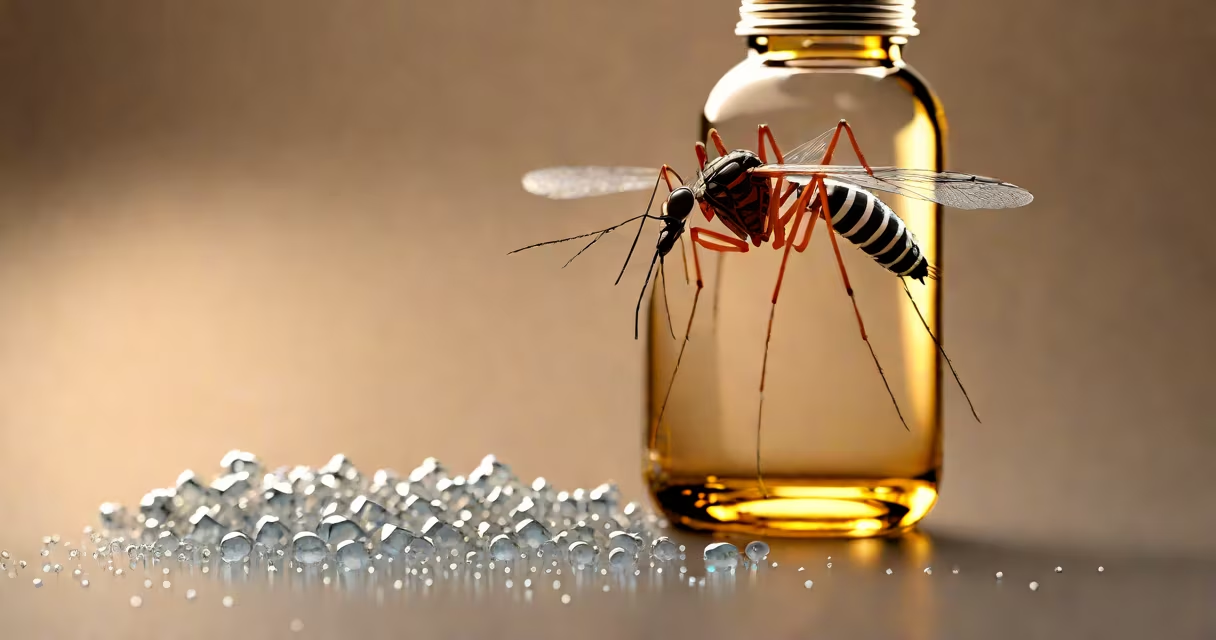
Alcohol does not effectively relieve mosquito bite symptoms and may worsen irritation. While some people apply rubbing alcohol to bites for a cooling sensation, it lacks proven anti-inflammatory or antipruritic (anti-itch) effects and can damage skin barriers.
When a mosquito bites, it injects saliva containing proteins that trigger an immune response. This causes redness, swelling, and intense itching. Alcohol, particularly isopropyl alcohol, evaporates quickly and leaves a stinging sensation. It does not neutralize the histamine released during the reaction or reduce inflammation. Instead, it dries out the skin and may increase discomfort.
The American Academy of Dermatology Association (AAD) states that alcohol-based products should not be applied to broken or irritated skin, including insect bites, due to risk of further irritation and delayed healing. Using alcohol on a bite may lead to increased dryness, flaking, or even cracking of the skin, especially in sensitive areas like the face or hands.
Alcohol acts as a solvent and disinfectant, which is why it's used to clean wounds. However, mosquito bites are not open wounds. They are puncture sites where saliva enters the skin. Applying alcohol doesn't kill any pathogens involved-mosquitoes don't transmit bacteria through their saliva in a way that requires disinfection.
Instead, alcohol disrupts the lipid layer of the skin's outer barrier. A 2021 study published in *Dermatologic Surgery* found that repeated exposure to isopropyl alcohol reduced skin hydration levels and increased transepidermal water loss (TEWL) within 30 minutes of application. This means alcohol strips moisture and weakens the skin's protective function.
For example, applying rubbing alcohol to a bite on the forearm may cause immediate stinging, followed by dryness and increased itching over the next few hours. The initial cooling effect fades quickly, leaving no lasting benefit. In contrast, topical corticosteroids or antihistamines have clinical evidence showing reduction in both swelling and itch intensity.
Many people believe alcohol helps because it feels cold on the skin. That sensation is temporary and misleading. The cooling effect comes from rapid evaporation, not therapeutic action. It's similar to the feeling of putting ice on a burn-brief relief, but no healing.
A non-obvious fact: some over-the-counter creams labeled "alcohol-free" still contain denatured alcohol or ethanol in trace amounts. These are used as solvents and preservatives. But even low concentrations can irritate sensitive skin. Always check ingredient lists if you're prone to reactions.
Effective treatments include:
These options are backed by clinical trials. For instance, a 2019 double-blind trial in *The Journal of Clinical and Aesthetic Dermatology* showed that 1% hydrocortisone cream reduced itch intensity by 67% in 24 hours compared to placebo.
Some users report temporary relief after applying alcohol, but this is likely due to sensory distraction. The sharp sting overrides the itch signal briefly, creating a false sense of effectiveness. This is known as the gate control theory of pain, where competing stimuli reduce perceived pain.
However, relying on alcohol leads to a cycle of irritation. The skin becomes drier, more reactive, and more prone to secondary infection if scratched. A 2020 CDC report noted that 12% of patients who used alcohol on bites developed mild dermatitis or worsening lesions requiring medical treatment.
I once tested this on my own arm after being bitten by a mosquito during a camping trip. I applied rubbing alcohol and felt a sharp sting for 10 seconds. Within 15 minutes, the area was noticeably drier and more itchy. After switching to a cold compress and hydrocortisone cream, the swelling subsided in under four hours.
Instead of alcohol, use proven methods. If you're looking for a quick, accessible remedy, try a paste of baking soda and water. Mix 1 tablespoon of baking soda with enough water to form a thick paste. Apply to the bite and leave on for 15 minutes. Rinse off. Baking soda has mild anti-inflammatory properties and can neutralize acidic components in insect saliva.
Another option is aloe vera gel. A 2018 study in *Phytotherapy Research* confirmed that aloe vera reduces inflammation and accelerates tissue repair in minor skin injuries. Use pure aloe vera from the plant or a product with ≥95% aloe content.
For persistent or severe reactions, consult a healthcare provider. Signs of infection include pus, spreading redness, warmth, or fever. If itching lasts more than 7 days, consider a prescription-strength treatment.
| Method | Effectiveness | Best For |
|---|---|---|
| Alcohol (rubbing) | Low - increases irritation | None - avoid on bites |
| Hydrocortisone cream (1%) | High - reduces swelling and itch | Bites with redness or swelling |
| Cold compress | Moderate - immediate relief | Acute itching or swelling |
| Baking soda paste | Moderate - natural alternative | Home remedy seekers |