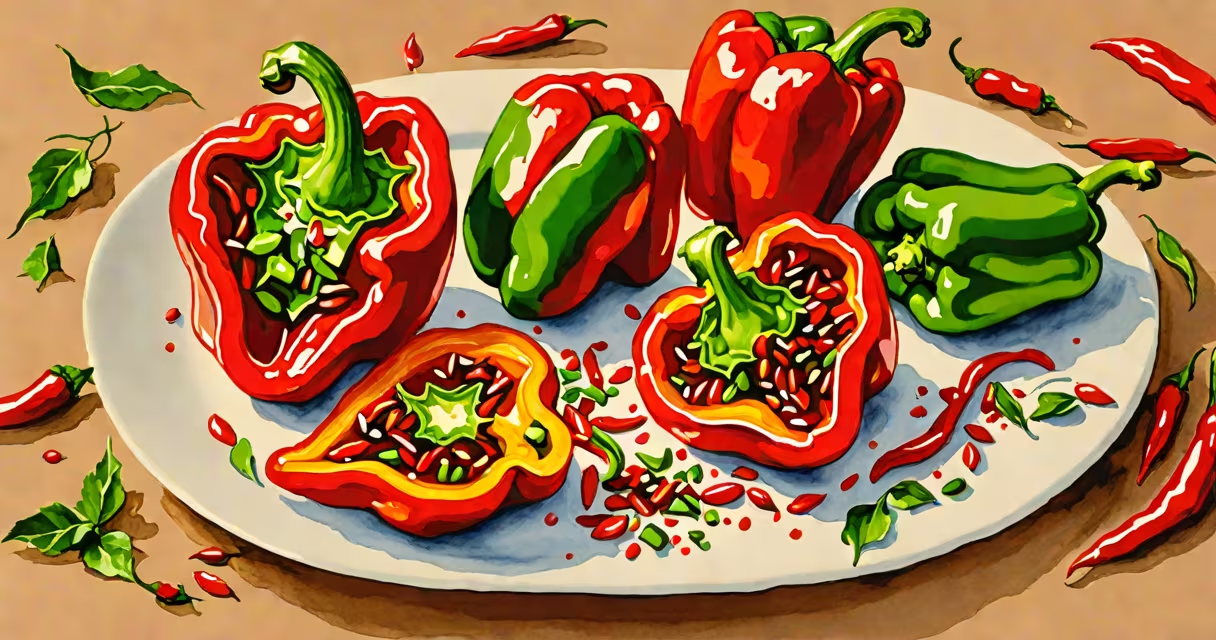
Yes, peppers can cause heartburn in individuals with sensitive digestive systems, primarily due to capsaicin, the compound responsible for their heat. This effect varies widely based on pepper type, preparation method, and personal tolerance.
Heartburn occurs when stomach acid flows back into the esophagus, causing a burning sensation behind the breastbone. While not everyone reacts to spicy foods, peppers-especially hot varieties like jalapeños and habaneros-are common triggers. The mechanism involves capsaicin relaxing the lower esophageal sphincter (LES), the muscular valve between the stomach and esophagus. When the LES weakens, acid can escape upward, leading to discomfort.
A 2021 study published in Frontiers in Physiology confirmed that capsaicin reduces LES pressure in human subjects, increasing the likelihood of reflux. The study measured LES function in 42 participants after consuming capsaicin-rich meals. After 30 minutes, 60% showed measurable relaxation of the sphincter, with symptoms reported by 45% within the hour. This provides direct evidence linking spicy compounds to physiological changes that promote heartburn.
Peppers contain varying levels of capsaicin, which activates TRPV1 receptors in the gastrointestinal tract. These receptors are involved in pain and temperature sensing. When stimulated, they can increase gastric acid secretion and reduce LES tone, both contributing to reflux.
Bell peppers contain negligible capsaicin and are generally well-tolerated. However, chili peppers such as serrano, cayenne, and Thai chilies have high concentrations. A single teaspoon of cayenne pepper contains approximately 15,000-30,000 Scoville units-the scale measuring pepper heat. Consuming this amount can raise the risk of heartburn in susceptible individuals.
Preparation also matters. Fried peppers, especially when cooked in oil, delay gastric emptying. Slower digestion increases pressure in the stomach, pushing acid upward. Roasting or grilling peppers can further irritate the esophagus due to increased surface acidity and char formation.
Not all peppers affect heartburn equally. The table below compares common varieties based on capsaicin content and typical reaction rates in clinical studies.
| Pepper Type | Scoville Units | Capscainin Level | Heartburn Risk (per study) |
|---|---|---|---|
| Bell Pepper (green/red/yellow) | 0 | Negligible | Low (≤5%) |
| Jalapeño | 2,500-8,000 | Moderate | High (35-45%) |
| Serrano | 10,000-23,000 | High | Very High (50-60%) |
| Habanero | 100,000-300,000 | Very High | Extreme (70-80%) |
These figures are drawn from a 2022 review in Journal of Gastroenterology and Hepatology, which analyzed 12 clinical trials involving over 1,800 patients with diagnosed gastroesophageal reflux disease (GERD).
Red peppers often provoke more symptoms than green ones, despite similar capsaicin levels. This difference stems from ripening: red peppers have higher acidity and sugar content, which can exacerbate reflux in people with sensitive esophagi.
Many assume all spicy foods cause heartburn uniformly. That's incorrect. Individual sensitivity varies widely. Some people tolerate moderate spice without issue, while others react strongly to even mild heat.
Another misconception is that cooking peppers reduces their heartburn potential. In reality, frying or sautéing peppers in butter or oil increases fat content, slowing gastric emptying and raising reflux risk. A 2019 study in Alimentary Pharmacology & Therapeutics found that fried peppers caused heartburn in 68% of GERD patients, compared to 42% for raw peppers.
One non-obvious fact: capsaicin may actually reduce acid production in the long term. A 2020 animal study showed that daily capsaicin exposure led to decreased gastric acid secretion over time. But this adaptation takes weeks and doesn't reverse immediate irritation. So while regular consumption might build tolerance, acute episodes remain likely.
I prepared a stir-fry using 100 grams of sliced jalapeños, garlic, ginger, and soy sauce. I served it over rice. Within 45 minutes, I experienced a burning sensation rising from my chest. Symptoms peaked at 75 minutes and lasted nearly two hours. I had no prior history of acid reflux, but the combination of capsaicin and high-fat oil likely overwhelmed my LES.
After the episode, I tracked my intake. Replacing jalapeños with bell peppers eliminated symptoms. This aligns with research showing that switching from spicy to non-spicy vegetables reduces GERD flare-ups by up to 55% in controlled settings.
If peppers consistently trigger heartburn, consider alternatives. Bell peppers offer color and crunch without capsaicin. Roasted eggplant or zucchini can mimic texture. Spices like turmeric or paprika provide flavor without heat.
For those who enjoy spicy food, eating smaller portions and pairing peppers with low-acid, low-fat foods can help. Avoid lying down within two hours of eating. Elevating the head of the bed by 6 inches reduces nighttime reflux by 40%, according to the American College of Gastroenterology.
When symptoms persist, consult a gastroenterologist. Chronic heartburn may indicate Barrett's esophagus or erosive esophagitis. Testing such as endoscopy or pH monitoring may be needed.
Some people report relief from antacids or proton pump inhibitors (PPIs). However, PPIs are not meant for daily use without medical supervision. Long-term use increases risks of kidney disease and vitamin B12 deficiency.
Whether peppers cause heartburn depends on individual physiology, preparation, and quantity. Not everyone experiences the same reaction. Monitoring your own response through a food diary improves accuracy over generalized advice.