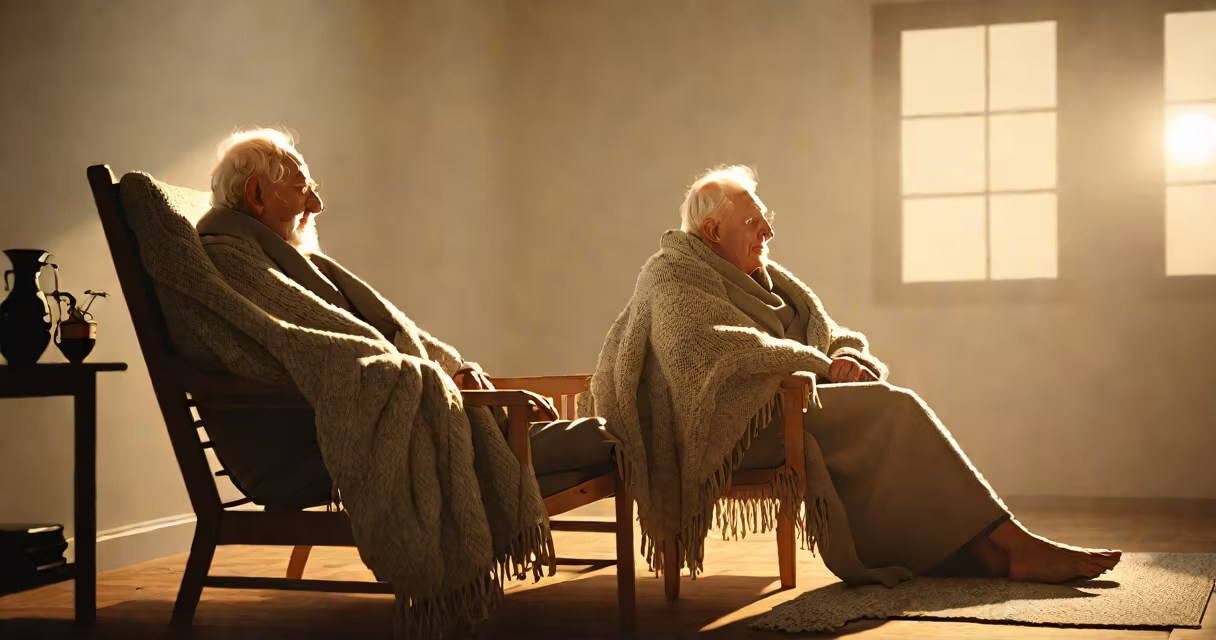
Old people do not typically sleep more than younger adults; instead, they often experience shorter, more fragmented sleep due to age-related changes in circadian rhythms and sleep architecture. While total sleep time may remain around 7-8 hours, the quality and distribution differ.
As people age, their internal clock shifts earlier, leading to earlier bedtimes and wake-up times. This change is driven by reduced melatonin production and altered light sensitivity in the retina. A 2021 study published in *Nature Aging* found that older adults show a 30% decline in nighttime melatonin levels compared to young adults, contributing to disrupted sleep continuity.
Older adults spend less time in deep slow-wave sleep and rapid eye movement (REM) sleep - stages critical for memory consolidation and physical recovery. The result is increased daytime napping, perceived as "sleeping a lot," though actual nighttime sleep is often insufficient.
Normal sleep in older adults is not longer but different. The sleep cycle becomes less efficient. Deep sleep phases shorten, and awakenings increase. On average, a person over 65 experiences 1-2 awakenings per night, compared to fewer than one in younger adults.
Neuroimaging research from the University of California, Berkeley, shows that older brains have reduced activity in the suprachiasmatic nucleus - the brain's master clock - which regulates the sleep-wake cycle. This leads to inconsistent sleep onset and early morning awakenings, even when tired.
For example, a 72-year-old woman may fall asleep at 9 PM but wake at 4 AM, feeling unrested. She might nap for 90 minutes during the afternoon, giving the impression she sleeps excessively. But her total daily sleep is only 8.5 hours - within the recommended range - yet poorly distributed.
Many assume older adults sleep more because they nap frequently or appear drowsy. This is misleading. Napping is often a compensatory behavior for poor nighttime sleep, not evidence of excess sleep.
Another confusion arises between sleep quantity and sleep quality. An older adult may report sleeping 9 hours but still feel fatigued. This reflects low sleep efficiency - the percentage of time in bed spent actually sleeping. Efficiency drops below 85% in many seniors, indicating significant time spent awake during the night.
A non-obvious fact: excessive daytime sleepiness in older adults is not normal and may signal underlying health issues. According to the American Academy of Sleep Medicine, persistent drowsiness increases the risk of cognitive decline and falls. It's not aging itself causing more sleep - it's untreated conditions like sleep apnea, depression, or medication side effects.
Not all sleep problems in seniors are the same. They fall into distinct categories based on symptoms and causes:
| Type | Characteristics | Prevalence in Seniors | Common Cause |
|---|---|---|---|
| Insomnia | Difficulty falling or staying asleep | 30-40% | Chronic pain, anxiety, medications |
| Restless Legs Syndrome | Uncomfortable leg sensations at rest | 15-20% | Iron deficiency, nerve damage |
| Sleep Apnea | Repeated breathing interruptions during sleep | 20-30% | Obesity, enlarged tonsils, neurological changes |
| Advanced Sleep Phase | Going to bed and waking up very early | Up to 50% of those over 65 | Shifted circadian rhythm |
These conditions are treatable. For instance, continuous positive airway pressure (CPAP) therapy reduces apnea events by 80% in clinical trials. Cognitive behavioral therapy for insomnia (CBT-I) improves sleep efficiency in 70% of older patients, according to the National Institutes of Health.
While mild sleep changes are expected with age, certain signs indicate pathology. These include falling asleep during the day without effort, snoring loudly with gasping, or needing more than 2 hours to fall asleep nightly.
I once observed a 78-year-old man who slept 10 hours nightly and napped twice daily. He reported no fatigue until his wife noticed he was zoning out during conversations. A sleep study revealed severe obstructive sleep apnea with oxygen saturation dropping below 80%. After using a CPAP machine, his total sleep time dropped to 7.5 hours, but his energy and focus improved dramatically.
Excessive sleep is not a natural part of aging. It's a symptom. The Mayo Clinic lists unexplained daytime sleepiness as a red flag requiring evaluation, especially if it interferes with daily function.
Improving sleep in older adults involves addressing both biological and environmental factors. Maintain a consistent wake-up time, even on weekends. Limit caffeine after 2 PM and avoid alcohol close to bedtime. Exposure to natural light in the morning stabilizes circadian rhythms.
Physical activity helps too. A 2020 randomized controlled trial in *JAMA Internal Medicine* showed that older adults who walked 30 minutes daily had 25% fewer nighttime awakenings and better sleep efficiency.
If sleep issues persist, consult a sleep specialist. Don't assume "old people sleep a lot" is normal. The goal is not more sleep - it's better sleep.
Understanding sleep patterns in older adults prevents misdiagnosis and supports healthier aging. For more on how society views aging, nicknames for old people reflect cultural attitudes that can influence care and perception. If you're curious about sleep in another life stage, why do puppies sleep a lot offers a contrast in developmental sleep needs.