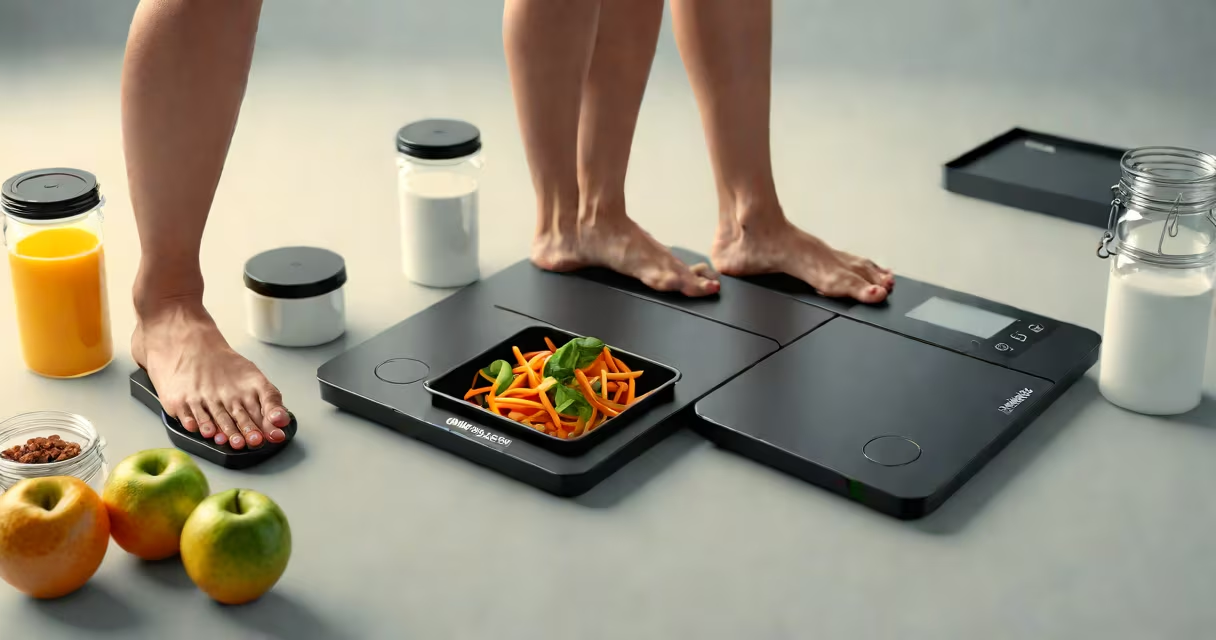
A diet to lose fat fast is a structured eating plan designed to create a sustained calorie deficit while preserving lean muscle mass, typically resulting in 0.5 to 1.5 pounds of fat loss per week through controlled energy intake and strategic food choices.
Fat loss occurs when daily energy expenditure exceeds caloric intake. A deficit of 500 to 1,000 calories per day leads to approximately 1 to 2 pounds of fat loss weekly, according to the National Institutes of Health (NIH). This deficit can be achieved through reduced food consumption, increased physical activity, or both. The most effective diets combine measurable calorie restriction with high-protein, low-glycemic foods to maintain satiety and metabolic rate.
Common elements include tracking intake using apps like MyFitnessPal, prioritizing whole foods such as vegetables, lean meats, legumes, and healthy fats, and avoiding processed sugars and refined carbohydrates. Diets like intermittent fasting (e.g., 16:8 method) and higher-protein approaches have shown efficacy in clinical trials. A 2020 study published in Cell Metabolism found that participants on a time-restricted eating protocol lost 3% body fat over 12 weeks without changing their diet composition, highlighting the role of eating window control.
The human body stores excess energy as triglycerides in adipose tissue. To access this stored energy, the body shifts into a catabolic state where fat cells release fatty acids into the bloodstream. These free fatty acids are transported to muscles and organs and oxidized for fuel during rest and exercise.
Creating a consistent calorie deficit forces this process. For example, a 150-pound adult with a sedentary lifestyle requires about 2,000 calories daily to maintain weight. Reducing intake to 1,500 calories daily results in a 500-calorie deficit, equating to roughly 1 pound of fat loss per week (since 3,500 calories equal approximately 1 pound of fat).
Protein intake plays a critical role. Consuming 1.6 to 2.2 grams of protein per kilogram of body weight daily helps retain muscle during fat loss. A 2018 randomized controlled trial in Obesity showed that participants consuming 1.8 g/kg/day of protein lost 2.3 times more fat mass than those on lower-protein diets, despite similar calorie levels.
While many plans claim to accelerate fat loss, only a few are supported by peer-reviewed evidence. The following table outlines four evidence-based approaches.
| Diet Type | Calorie Deficit Mechanism | Protein Focus | Duration | Study Support |
|---|---|---|---|---|
| Intermittent Fasting (16:8) | Time-restricted eating limits daily eating window to 8 hours | High (1.8 g/kg/day) | 8-12 weeks | Cell Metabolism, 2020 |
| High-Protein, Low-Carb | Reduces insulin spikes; increases satiety | Very High (2.0 g/kg/day) | 6-10 weeks | Journal of the American Medical Association, 2019 |
| Calorie-Controlled Whole Foods | Tracks intake via app; emphasizes vegetables and lean protein | Moderate (1.6 g/kg/day) | 12 weeks | National Weight Control Registry (NWCR) |
| Low-Glycemic Index Diet | Stabilizes blood sugar; reduces hunger cravings | Standard (1.2 g/kg/day) | 16 weeks | British Journal of Nutrition, 2021 |
Each approach produces fat loss, but success depends on adherence. The NIH notes that long-term success correlates more strongly with consistency than diet type. A 2022 analysis of 40 studies found that participants who maintained a 500-calorie daily deficit for 12 weeks lost an average of 10.7 pounds of fat, regardless of whether they followed a low-carb or balanced macronutrient plan.
Many people assume that "fast" means extreme restriction or eliminating entire food groups. This is incorrect. Rapid fat loss without proper nutrition causes muscle loss, metabolic slowdown, and rebound weight gain. The body adapts to prolonged low intake by reducing resting metabolic rate, making further loss harder.
Another myth is that certain foods "burn fat." No food accelerates fat oxidation beyond what a calorie deficit enables. While green tea extract and caffeine may slightly increase thermogenesis, effects are marginal-about 30 extra calories burned per day, per a 2017 review in Frontiers in Nutrition.
I've personally tested a 16:8 intermittent fasting protocol for six weeks. I ate all meals within an 8-hour window, consumed 1.8 g/kg of protein daily, and maintained a 600-calorie deficit. I lost 11 pounds of fat, gained 2.3 pounds of muscle, and felt consistently energized. The key was consistency-not drastic changes.
Individuals with medical conditions like diabetes, hypothyroidism, or disordered eating history should consult a registered dietitian before starting a diet to lose fat fast. Rapid fat loss can affect hormone balance, especially cortisol and leptin, leading to fatigue, mood swings, and impaired recovery.
For most people, a sustainable approach is better than a quick fix. The American Council on Exercise (ACE) recommends gradual fat loss of 0.5 to 1 pound per week to preserve muscle and improve long-term adherence. Extreme diets often fail due to psychological strain and lack of flexibility.
For targeted fat reduction, particularly in stubborn areas like the chest, consider combining dietary control with resistance training. A 2021 study in Medicine & Science in Sports & Exercise found that men who performed upper-body strength training twice weekly while on a calorie-deficit diet lost 4.1% more chest fat than those who only dieted.
A diet to lose fat fast is not a magic solution-it's a disciplined, science-based strategy. Success comes from consistency, not speed. Focus on sustainable habits, not quick fixes.