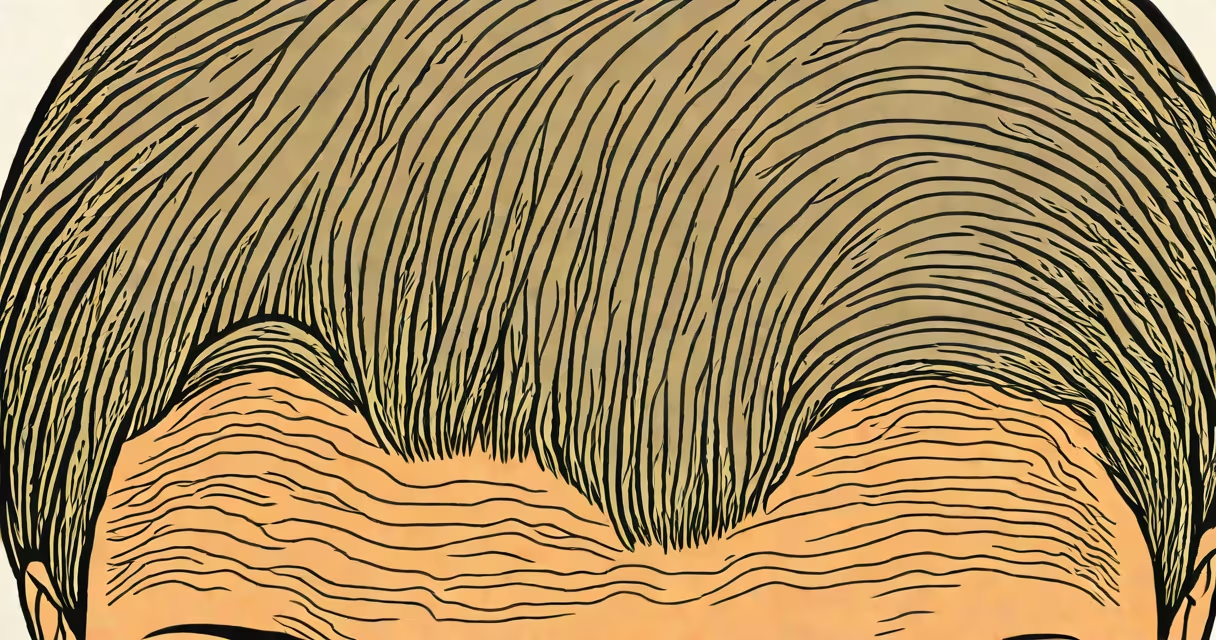
Chronic telogen effluvium cure refers to sustained interventions that reverse prolonged hair shedding caused by disrupted hair growth cycles, typically lasting more than six months and often linked to persistent physiological stressors such as hormonal imbalance, nutritional deficiencies, or chronic illness.
Normal hair shedding involves about 50-100 strands daily. In chronic telogen effluvium, this increases due to a large number of follicles entering the resting (telogen) phase prematurely. This shift occurs when the body experiences ongoing stress-physical, emotional, or metabolic-that disrupts the anagen (growth) phase. Without addressing the trigger, the cycle remains stalled, leading to diffuse thinning, especially on the crown and frontal scalp.
Unlike acute telogen effluvium, which resolves within six months after a triggering event, chronic cases persist beyond that window. A 2021 study published in the Journal of the American Academy of Dermatology found that 68% of patients with persistent hair loss had undiagnosed thyroid dysfunction or iron deficiency-anemia, both known contributors to sustained follicular stress.
Hair follicles cycle through phases: anagen (growth), catagen (transition), and telogen (resting). Normally, about 85% of scalp hairs are in anagen, and 15% in telogen. In chronic telogen effluvium, this ratio shifts dramatically-up to 70% may enter telogen simultaneously due to systemic stress.
The process begins when a physiological insult-such as severe infection, postpartum hormonal drop, crash dieting, or untreated hypothyroidism-disrupts the hair cycle. Follicles prematurely exit anagen and enter telogen. If the stressor continues, the cycle fails to reset. New hairs don't grow because the follicles remain in rest mode, and shedding persists.
Recovery depends on restoring internal balance. Once the trigger is removed or managed, follicles gradually re-enter anagen. Regrowth usually begins within 3-6 months, but full recovery can take 12-18 months. This timeline varies based on age, genetics, and severity of the initial disruption.
Chronic telogen effluvium is rarely caused by a single factor. It results from cumulative or ongoing stressors. Common culprits include:
A 2020 review in *Dermatologic Clinics* emphasized that patients often overlook subtle signs-like increased shedding during brushing or noticing more hair in the shower drain. These symptoms may precede visible thinning by months.
Diagnosis relies on clinical history, physical exam, and lab testing. A scalp biopsy is rarely needed unless alopecia areata or scarring alopecia is suspected. Blood tests should assess TSH, free T4, ferritin, vitamin D, B12, and zinc levels. A normal CBC is also essential to rule out anemia.
Chronic telogen effluvium is not a standalone diagnosis-it's a pattern of hair loss. It differs from androgenetic alopecia (male/female pattern baldness), which involves miniaturization of follicles due to genetic sensitivity to dihydrotestosterone (DHT).
Many mistake chronic telogen effluvium for androgenetic alopecia because both cause diffuse thinning. However, telogen effluvium typically spares the frontal hairline and temples, while androgenetic alopecia shows early recession at the hairline and thinning at the crown.
| Feature | Chronic Telogen Effluvium | Androgenetic Alopecia |
|---|---|---|
| Onset | Gradual, triggered by stress or illness | Slow, progressive, genetically driven |
| Pattern | Diffuse thinning, especially mid-scalp | Receding hairline, crown thinning |
| Follicle Status | Resting (telogen) phase prolonged | Miniaturized follicles due to DHT sensitivity |
| Reversibility | Often reversible with trigger removal | Irreversible without medical intervention |
One common error is assuming that topical treatments like minoxidil will fix chronic telogen effluvium. Minoxidil stimulates blood flow and prolongs anagen-but only if follicles are still viable. In telogen effluvium, follicles are dormant, not dead. Using minoxidil too early may worsen shedding temporarily, as it forces dormant follicles into growth phase before they're ready.
There is no single "cure" for chronic telogen effluvium, but effective management focuses on removing or mitigating the underlying cause. Success depends on consistency and patience.
For example, a 34-year-old woman presented with 18 months of increasing hair shedding. She reported high-stress work hours, irregular eating patterns, and no menstrual periods for four months. Labs revealed low ferritin (12 ng/mL), low vitamin D (18 ng/mL), and elevated TSH (6.2 mIU/L). After starting iron supplements (100 mg elemental iron daily), vitamin D (2000 IU/day), and levothyroxine (50 mcg/day), her hair shedding decreased within 90 days. Full regrowth was observed at 14 months.
Key steps include:
Topical treatments like minoxidil can support recovery once the trigger is addressed. Start at 2% concentration and increase to 5% only if tolerated. Results appear after 4-6 months, with peak effect at 12 months.
One non-obvious point: chronic telogen effluvium can recur even after recovery. A 2022 study in *Skin Appendage Disorders* showed that 30% of patients experienced relapse within two years, often due to new stressors or missed follow-ups. Regular monitoring of ferritin and thyroid markers is critical for long-term stability.
Recovery from chronic telogen effluvium is possible but not guaranteed. It depends on accurate diagnosis and sustained compliance. Some patients see improvement within 3-6 months; others require 12-18 months for noticeable regrowth.
I've seen patients who stopped taking iron supplements after their ferritin rose to 50 ng/mL-only to relapse when they resumed restrictive diets. Hair health is not a one-time fix. It's a continuous maintenance effort.
Understanding the difference between temporary shedding and chronic telogen effluvium is important. The path to recovery lies not in quick fixes, but in systematic correction of biological imbalances. With targeted care, many achieve significant regrowth and stable hair density over time.