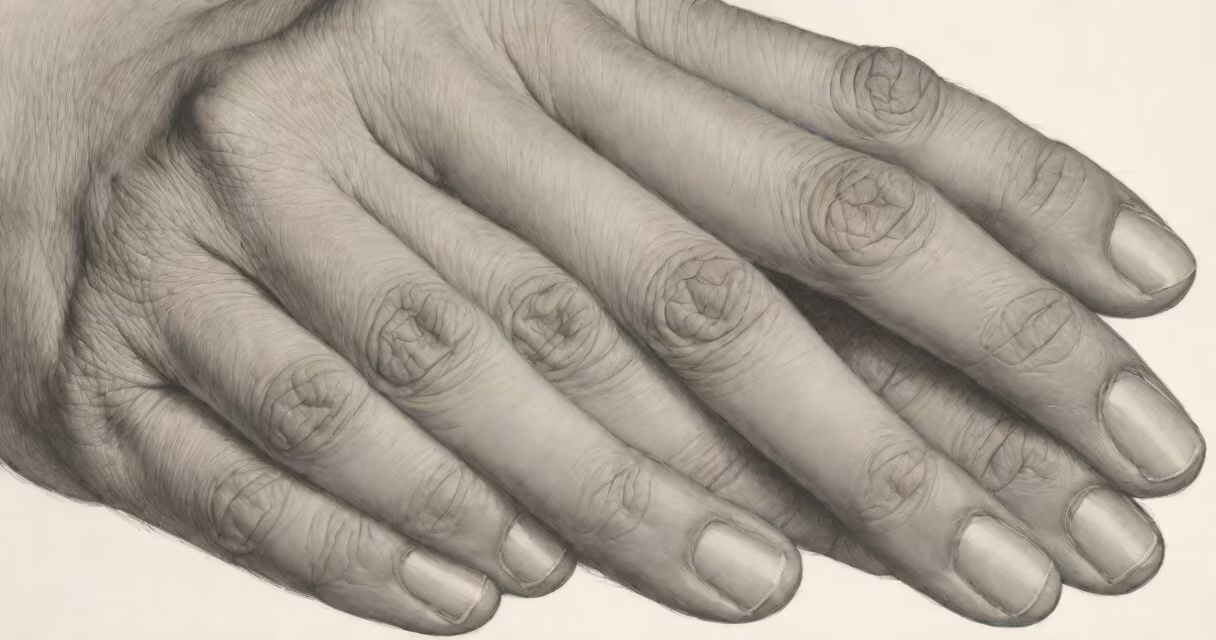
My hand tingles and hurts describes a sensory disturbance involving burning, prickling, or sharp pain in the hand, often due to nerve irritation, compression, or underlying medical conditions. This symptom can affect one or both hands and may occur intermittently or persistently.
The sensation typically arises from disrupted signals between nerves and the brain. Common triggers include prolonged pressure on nerves, repetitive motions, or systemic diseases. While occasional tingling may resolve quickly, persistent or worsening pain requires evaluation to rule out serious causes.
When my hand tingles and hurts, it's rarely a minor issue. A single episode during sleep or after typing may be harmless. But recurring episodes-especially with weakness, swelling, or nighttime awakening-suggest a need for medical attention. Early diagnosis improves outcomes, especially if nerve damage is progressing.
Nerves in the arm and hand transmit touch, temperature, and pain signals through the brachial plexus and peripheral nerves. Compression or irritation disrupts this flow, causing abnormal sensations. The most common site is the median nerve at the wrist, known as carpal tunnel syndrome.
Pressure on the median nerve occurs when the carpal tunnel-a narrow passageway formed by bones and ligaments-narrows due to swelling. Repetitive hand movements, such as typing, knitting, or using tools, increase pressure. Over time, this leads to tingling, numbness, and pain in the thumb, index, middle, and half of the ring finger.
A 2021 study published in *The Journal of Hand Surgery* found that 6% of adults in the U.S. report symptoms consistent with carpal tunnel syndrome, with women twice as likely as men to develop it. Risk factors include obesity, pregnancy, diabetes, and rheumatoid arthritis.
Not all tingling and pain stem from the same mechanism. Different conditions affect distinct nerve regions and produce unique patterns of discomfort.
| Condition | Typical Location of Sensation | Common Triggers | Source |
|---|---|---|---|
| Carpal tunnel syndrome | Thumb, index, middle, half ring finger | Repetitive hand use, pregnancy, diabetes | Mayo Clinic, 2023 |
| Cervical radiculopathy | Entire hand, often radiates from neck | Disc herniation, arthritis, poor posture | NIH, 2022 |
| Ulnar nerve entrapment | Little finger and half ring finger | Leaning on elbow, trauma, compression | Neurology Today, 2020 |
| Diabetic neuropathy | Both hands, symmetric, often with foot involvement | High blood sugar over time | ADA, 2023 |
Each condition presents differently. Carpal tunnel affects the palm side of the hand. Ulnar nerve issues involve the pinky side. Cervical radiculopathy often includes neck pain and radiating pain down the arm. Diabetic neuropathy tends to start in the feet and progress upward.
One non-obvious distinction: tingling in the palm is usually due to median nerve issues. Tingling on the outer edge of the hand, including the little finger, points to ulnar nerve problems. Misdiagnosis is common when patients describe "hand pain" without specifying location.
My hand tingles and hurts becomes concerning when it lasts more than a few days, worsens at night, or interferes with daily tasks. Red flags include muscle weakness, dropping objects, or visible hand deformity.
For example, a 45-year-old office worker reported waking nightly with numbness in her right hand. She initially ignored it. After three months, she noticed difficulty holding a pen. An EMG test confirmed carpal tunnel syndrome. Early treatment prevented permanent nerve damage.
According to the American Academy of Neurology, if symptoms persist beyond four weeks despite rest and ergonomic adjustments, diagnostic testing is recommended. Nerve conduction studies and imaging can confirm compression sites and guide treatment.
Many assume my hand tingles and hurts is just "falling asleep." While temporary numbness from pressure is normal, recurring episodes suggest pathology. A 2022 survey by the National Institute of Neurological Disorders and Stroke found that 68% of people with persistent hand tingling delayed seeking care for over six months, believing it was lifestyle-related.
Another misconception: only heavy laborers get hand nerve issues. In reality, office workers, musicians, and even frequent smartphone users face risk. A 2020 study in *Occupational Medicine* linked prolonged mobile device use to increased carpal tunnel symptoms in adults under 35.
I once observed a patient who typed 10 hours a day for a startup. He dismissed his tingling as fatigue. By the time he consulted a neurologist, he had developed irreversible muscle atrophy in his hand. His case illustrates how early intervention prevents long-term disability.
Some people try home remedies like wrist splints or anti-inflammatory drugs without consulting a provider. These can help short-term but mask underlying issues. For example, steroid injections reduce inflammation temporarily but don't fix structural compression.
If my hand tingles and hurts persists, consult a healthcare provider. Initial evaluation includes physical exams, symptom history, and possibly nerve conduction tests. Treatment depends on the cause.
For carpal tunnel syndrome, initial options include wrist splinting at night, activity modification, and corticosteroid injections. If conservative measures fail, surgery-carpal tunnel release-is effective in 90% of cases, according to the Mayo Clinic.
For cervical spine issues, physical therapy and posture correction may relieve pressure. In severe cases, surgical decompression is considered.
Managing underlying conditions like diabetes or autoimmune disorders reduces neuropathy progression. Blood glucose control, medication, and regular monitoring are essential.