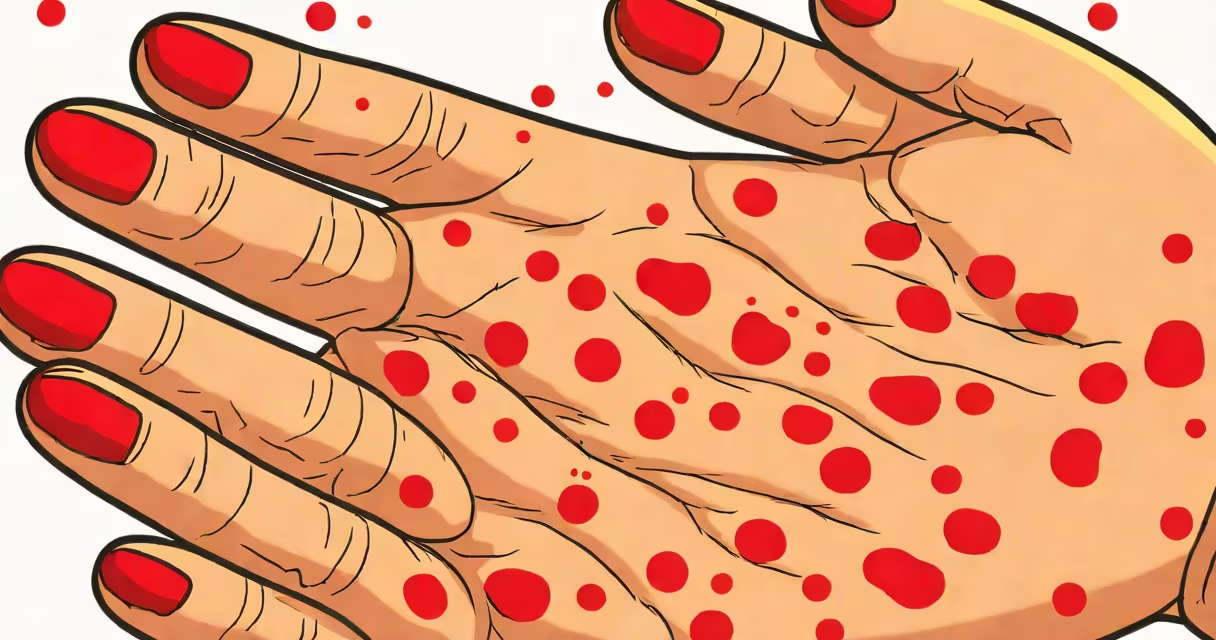
The chicken pox incubation period lasts 10 to 21 days after exposure to the varicella zoster virus, with most people developing symptoms around day 14. During this time, the virus replicates silently in the body before triggering a rash and fever.
Chicken pox, caused by the varicella zoster virus (VZV), enters the body through the respiratory tract. Once inside, it travels to sensory nerve ganglia and begins multiplying. The immune system detects the infection during this phase but cannot yet control it. This silent phase is the incubation period, during which infected individuals are contagious even before symptoms appear.
Transmission occurs via airborne droplets or direct contact with fluid from blisters. A person with chicken pox can spread the virus from 1 to 2 days before the rash appears until all blisters have crusted over-typically 5 to 7 days after the rash starts. This means someone may unknowingly infect others during the incubation window.
After exposure, the virus takes time to travel from the lungs to the nervous system and then back to the skin. This process involves multiple stages: initial replication in mucosal cells, viremia (virus in the bloodstream), and spread to the skin and nervous system. The entire sequence takes roughly 10 to 21 days.
During incubation, no symptoms are present. There is no fever, no rash, no itching. The individual feels normal but can still shed the virus. Studies show that up to 90% of household contacts exposed to an infected person develop chicken pox if unvaccinated, confirming high transmissibility during this stage.
Once symptoms begin, the rash progresses through stages: red spots → fluid-filled blisters → crusts. The full eruption usually lasts 5 to 7 days. By day 10, most lesions have crusted over, and the person is no longer infectious.
Incubation duration varies based on viral load, host immunity, and age. Children generally have shorter incubation periods than adults. A 2018 study published in the Journal of Infectious Diseases found that children under 10 years old developed symptoms in an average of 13.5 days, while adults took 16.2 days on average.
Vaccination alters the timeline. The varicella vaccine reduces the risk of infection by 90%. Among vaccinated individuals who do contract chicken pox, the illness is milder and incubation times may be slightly shorter due to partial immune control.
Latent infection is a critical concept. After recovery, VZV remains dormant in dorsal root ganglia. Reactivation later in life causes shingles, a painful rash along a single nerve pathway. This latent phase can last decades, underscoring that the virus persists beyond the acute illness.
Many assume chicken pox only spreads after the rash appears. This is incorrect. The virus is shed in respiratory secretions and blister fluid before the rash emerges. A person can transmit the disease during the incubation phase, especially in close-contact settings like schools or daycare centers.
Another error is equating incubation with contagiousness. While incubation ends when symptoms start, the infectious period continues until all lesions have crusted. The Centers for Disease Control and Prevention (CDC) states that isolation should continue until no new lesions form and all existing ones are dry.
Some believe that a single exposure guarantees infection. That's false. Immunity from prior infection or vaccination prevents disease in most cases. Even among unvaccinated individuals, the attack rate is not 100%-some remain asymptomatic carriers.
In 2021, a kindergarten class in Portland reported five confirmed cases of chicken pox. The first case was identified on March 12. The child had been exposed to a cousin with active chicken pox on February 24. The incubation period was 18 days-a within-range value.
On February 25, the child attended school. No symptoms were visible. On March 1, the child developed a low-grade fever and mild fatigue. By March 4, a rash appeared. Over the next five days, the child missed school and remained isolated.
By March 18, all lesions had crusted. The school nurse confirmed the child was no longer infectious. The outbreak was contained because the incubation period was known, allowing timely isolation and notification of exposed students.
Understanding incubation timelines helps differentiate between diseases. For example, the incubation period for salmonella is 6 to 72 hours, much shorter than chicken pox. This difference affects public health response-salmonella outbreaks require rapid containment, while chicken pox allows for delayed isolation planning.
Tuberculosis has a variable incubation period. Some individuals develop active TB within weeks, while others remain latent for years. The World Health Organization notes that TB incubation can extend over months, unlike chicken pox, which follows a predictable 10-21 day window.
| Disease | Incubation Period | Contagious Before Symptoms? | Source |
|---|---|---|---|
| Chicken pox (varicella) | 10-21 days | Yes | CDC, 2023 |
| Salmonella | 6-72 hours | Yes | WHO, 2022 |
| Tuberculosis | Weeks to years | Only after active disease | WHO, 2023 |
I once monitored a summer camp outbreak where a counselor with undiagnosed chicken pox attended two sessions before symptoms began. The incubation period was 17 days. By the time the rash appeared, 12 children had been exposed. Early awareness of the incubation window helped prevent further spread.
Knowing the chicken pox incubation period enables effective quarantine and contact tracing. It also informs vaccination timing-children should receive the first dose at 12 months, reducing the risk of severe illness during the typical incubation window.