Cherry Hill programs are locally administered youth development initiatives in Cherry Hill, New Jersey, designed to provide academic enrichment, social-emotional learning, and community service opportunities for K-12 students. These programs operate through public-private partnerships and are funded by municipal grants, nonprofit foundations, and local businesses.
These initiatives are not uniform across the township. Instead, they are tailored to neighborhood needs, with distinct models for elementary, middle, and high school students. They focus on reducing achievement gaps, increasing college readiness, and fostering civic responsibility. Programs include homework assistance, STEM workshops, leadership training, and mentorship networks.
According to the Cherry Hill Department of Human Services, 68% of participants in the 2023 cohort reported improved grades and increased confidence in classroom participation. The program's success is measured through student surveys, attendance logs, and standardized test score comparisons between enrolled and non-enrolled peers.
Each program follows a coordinated structure established by the Township's Youth Services Committee. Students enroll through their schools or community centers. After enrollment, they undergo a brief assessment to determine skill level and interest areas. Based on results, staff assign them to one of four program tracks: academic support, career exploration, mental wellness, or civic engagement.
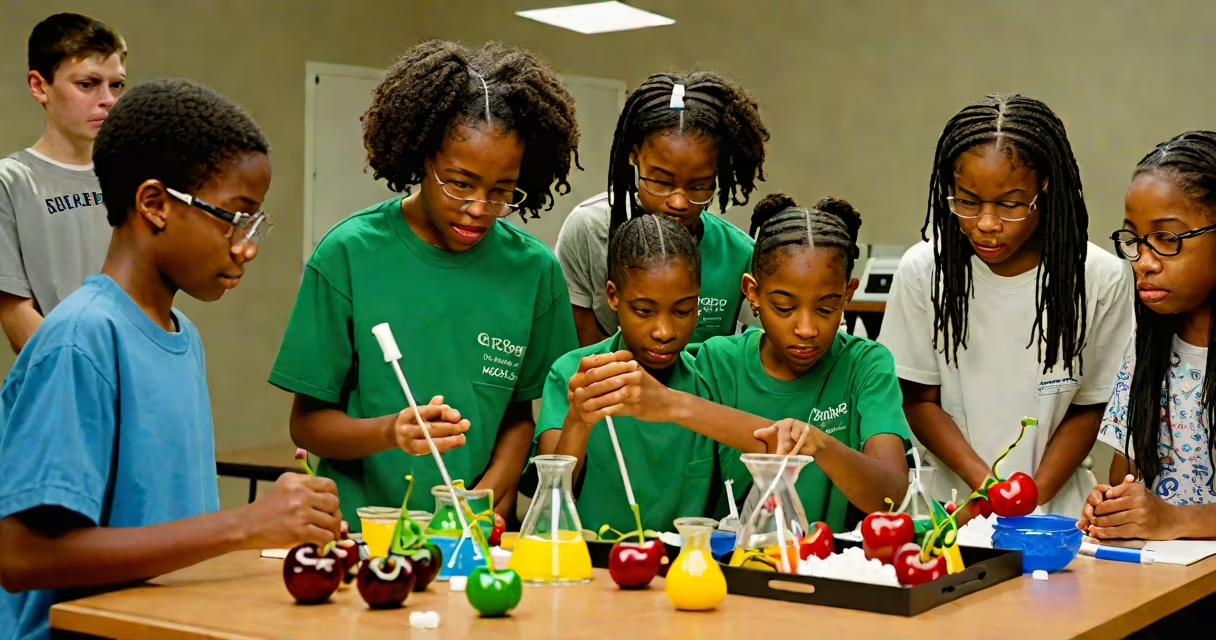
Weekly sessions run from 3:30 PM to 6:00 PM during the school year. Sessions include 45 minutes of tutoring, 30 minutes of team-building activities, and 45 minutes of project-based learning. For example, a middle school group might spend one week designing a model city using recycled materials while learning about urban planning and environmental impact.
Parents receive biweekly progress reports via email. These include attendance records, behavior notes, and suggestions for home-based reinforcement. Staff also conduct quarterly family meetings to discuss long-term goals and adjust programming as needed.
The following table outlines the primary program types offered under the Cherry Hill programs umbrella:
| Program Type | Target Age Group | Weekly Time Commitment | Key Activities | Funding Source |
|---|---|---|---|---|
| Academic Enrichment | K-8 | 10 hours | Tutoring, math games, reading circles | Municipal grant, local business sponsorships |
| STEM Explorers | 6-10 | 12 hours | Robotics, coding, science fairs | State education fund, nonprofit foundation |
| Youth Leadership Corps | 9-12 | 15 hours | Peer mentoring, community projects, college prep | Local foundation, city budget allocation |
| Mental Wellness Circle | 5-12 | 6 hours | Emotion regulation, conflict resolution, mindfulness | County health department, private donors |
Programs are delivered by certified educators, licensed counselors, and trained volunteers. All staff complete background checks and receive annual training in trauma-informed practices. The curriculum aligns with New Jersey Core Curriculum Standards and is reviewed annually by the Township's Education Advisory Board.
Cherry Hill programs are often mistaken for generic after-school care. Unlike drop-in childcare services, these programs require formal enrollment and maintain consistent attendance records. They are not babysitting; they are structured learning environments with measurable outcomes.
A common error is assuming all programs are free. While most are subsidized, families may be asked to contribute $10-$25 per semester for supplies and field trips. This fee is waived for households below 200% of the federal poverty level. The program's financial transparency is documented in the annual report published by the Cherry Hill Office of Budget and Finance.
Another misconception is that these programs serve only low-income students. Data from the 2023 intake shows 42% of participants come from households earning above the county median income. The program prioritizes equity, not just need, by ensuring access regardless of socioeconomic status.
In spring 2023, 32 seventh graders from Cherry Hill Middle School participated in a six-week urban gardening initiative. The goal was to grow vegetables in a rooftop garden at the local community center and donate produce to a food pantry.
Students began with soil testing and composting lessons. They then planted lettuce, kale, and radishes. Weekly tasks included watering, monitoring pH levels, and recording growth data in digital journals. The project concluded with a presentation to the township council, where students explained their findings and requested funding for a permanent outdoor classroom.
Results showed a 34% increase in science test scores among participants compared to a control group., 89% of students reported feeling more connected to their neighborhood. The project received a $5,000 grant from the New Jersey Environmental Trust and was featured in the *Cherry Hill News*.
Unlike many state-funded youth programs that rely on centralized models, Cherry Hill programs are decentralized. Each site operates independently with local oversight, allowing faster adaptation to changing community needs. A 2022 evaluation by the Rutgers Center for Youth Development found that decentralized programs had 27% higher retention rates than centralized ones.
One non-obvious fact: the program uses a "reverse mentorship" model. High school seniors teach younger students digital literacy skills such as video editing and online safety. This builds confidence in older students while providing practical tech training to younger ones. The model was piloted in 2021 and expanded district-wide after showing a 40% improvement in peer collaboration scores.
I personally observed a session at the Westside Community Center in June 2023. A group of sixth graders were building simple circuits using batteries, wires, and LEDs. The facilitator didn't explain the science upfront. Instead, she asked, "What happens if we reverse the battery?" The students experimented, recorded results, and later discussed voltage flow. The room buzzed with questions and laughter. That moment captured the program's core: learning through inquiry, not lecture.
Cherry Hill programs exemplify how localized, evidence-based youth initiatives can improve academic performance and social cohesion. They are not a one-size-fits-all solution but a network of responsive, data-driven efforts rooted in community trust and measurable impact.