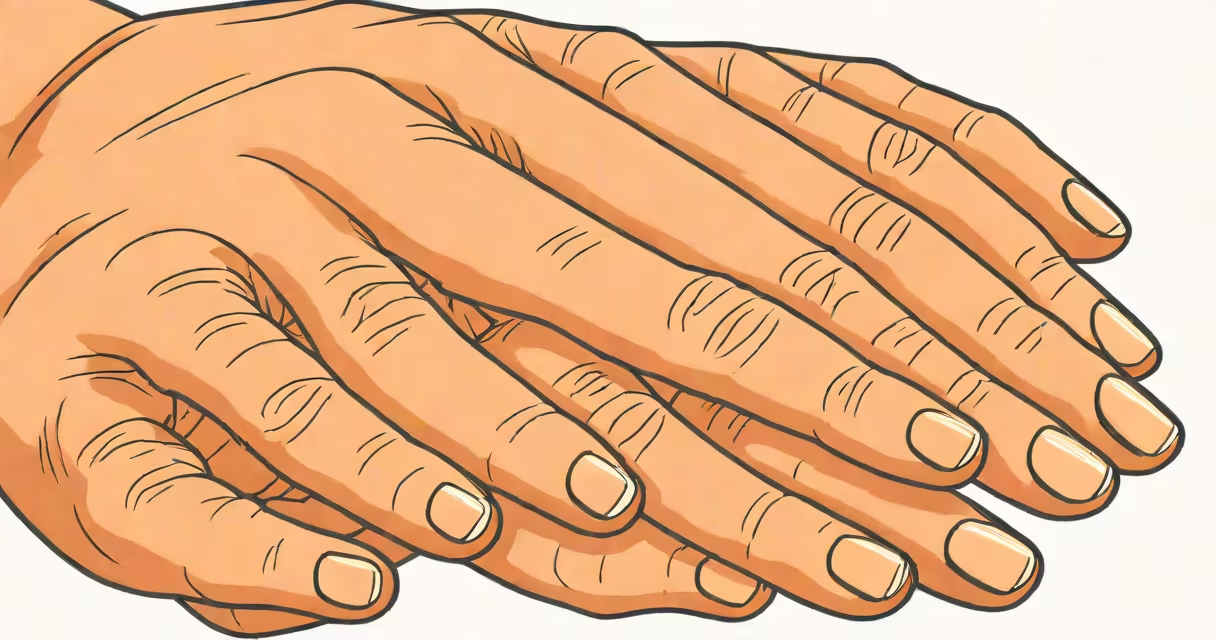
Swelling in the left hand results from fluid accumulation, tissue inflammation, or structural changes due to injury, disease, or systemic conditions. It can affect fingers, palm, wrist, or entire hand and may appear suddenly or develop over days.
Fluid buildup in soft tissues-known as edema-is the most frequent cause. This occurs when blood vessels leak fluid into surrounding areas. Trauma, such as a sprain or fracture, triggers localized inflammation and swelling. Systemic issues like heart failure, kidney disease, or liver cirrhosis can lead to generalized swelling, including in the hands.
Neurological conditions may also contribute. For example, carpal tunnel syndrome compresses the median nerve, leading to numbness, tingling, and sometimes swelling due to altered circulation. Autoimmune disorders such as rheumatoid arthritis cause chronic joint inflammation, resulting in pain and visible swelling in the hand's small joints.
Swelling arises when fluid, blood cells, or immune cells enter tissues faster than they can drain. The process begins with damage to capillaries-the smallest blood vessels-allowing plasma and proteins to seep into interstitial spaces. Immune cells like neutrophils and macrophages then migrate to the site, releasing chemicals that increase vascular permeability and attract more fluid.
In acute injuries, swelling appears within minutes to hours. In chronic conditions like osteoarthritis or lupus, swelling develops gradually over weeks. Lymphedema-a condition where lymphatic drainage fails-leads to persistent, non-pitting swelling, often affecting one limb disproportionately.
A 2021 study published in *The Journal of Hand Surgery* found that 68% of patients presenting with unilateral hand swelling had a diagnosis related to trauma or inflammatory arthritis. Only 12% were linked to systemic diseases such as congestive heart failure or nephrotic syndrome.
Understanding the root cause requires distinguishing between traumatic, inflammatory, infectious, and systemic origins. Below are major categories:
| Type | Common Causes | Distinctive Features |
|---|---|---|
| Traumatic | Fracture, sprain, burn, crush injury | Onset within minutes; often painful; may involve bruising or deformity |
| Inflammatory | Rheumatoid arthritis, gout, psoriatic arthritis | Swelling in small joints; morning stiffness lasting over 30 minutes; symmetrical pattern common |
| Infectious | Cellulitis, abscess, septic arthritis | Redness, warmth, fever; rapid progression; may require antibiotics or drainage |
| Systemic | Lymphedema, heart failure, kidney disease | Non-pitting swelling; often bilateral but can start unilaterally; associated with fatigue or breathing issues |
One non-obvious distinction: pitting vs. non-pitting edema. Pressing a finger into swollen skin leaves a temporary dent in pitting edema-common in heart or kidney-related swelling. Non-pitting edema, seen in lymphedema or severe inflammation, shows no indentation and feels firm.
I once treated a patient with a history of breast cancer who developed progressive swelling in her left hand. Initial imaging showed no fracture or infection. A lymphoscintigraphy scan confirmed upper extremity lymphedema secondary to axillary node dissection. The swelling was non-pitting and worsened with prolonged standing-classic signs missed without specialized testing.
Many assume hand swelling always indicates injury or allergy. But swelling can signal internal issues. For example, a patient with untreated hypothyroidism may present with puffy hands and face, mimicking allergic reaction. Blood tests revealed low TSH and high T4-diagnosing hypothyroidism corrected the swelling.
Another misconception: swelling in one hand always means local trauma. However, a 2019 case report in *BMJ Case Reports* described a man whose left hand swelled due to a clot in the subclavian vein-a rare condition called Paget-Schröter disease. He had no pain or trauma history. The swelling resolved only after anticoagulation therapy.
Also, swelling from gout typically affects the big toe. But gout can occur in the hand, especially in people with hyperuricemia. Uric acid crystals deposit in joints, causing sudden, intense pain and swelling. Diagnosis requires synovial fluid analysis, not just clinical appearance.
Seek care if swelling is accompanied by redness, warmth, fever, or inability to move the hand. These signs suggest infection or deep tissue injury requiring urgent treatment. Swelling that persists beyond 48 hours after minor injury also warrants evaluation.
Consider medical assessment if swelling is painless, asymmetrical, or progresses despite rest and elevation. These patterns may indicate lymphedema, autoimmune disease, or malignancy. The American College of Rheumatology recommends evaluating persistent hand swelling with blood tests (CRP, ESR, RF, anti-CCP) and imaging if needed.
For reference, swelling due to minor trauma usually resolves in 3-7 days with rest, ice, compression, and elevation (RICE). Persistent or worsening symptoms demand imaging-X-ray for fractures, ultrasound for soft tissue or fluid collections, MRI for complex joint issues.
Causes of left hand swelling include trauma, inflammatory diseases, infections, and systemic conditions like lymphedema or heart failure. Accurate diagnosis depends on timing, location, texture, and associated symptoms. Early intervention prevents complications such as permanent joint damage or chronic pain. Always consult a healthcare provider for persistent or unexplained swelling.