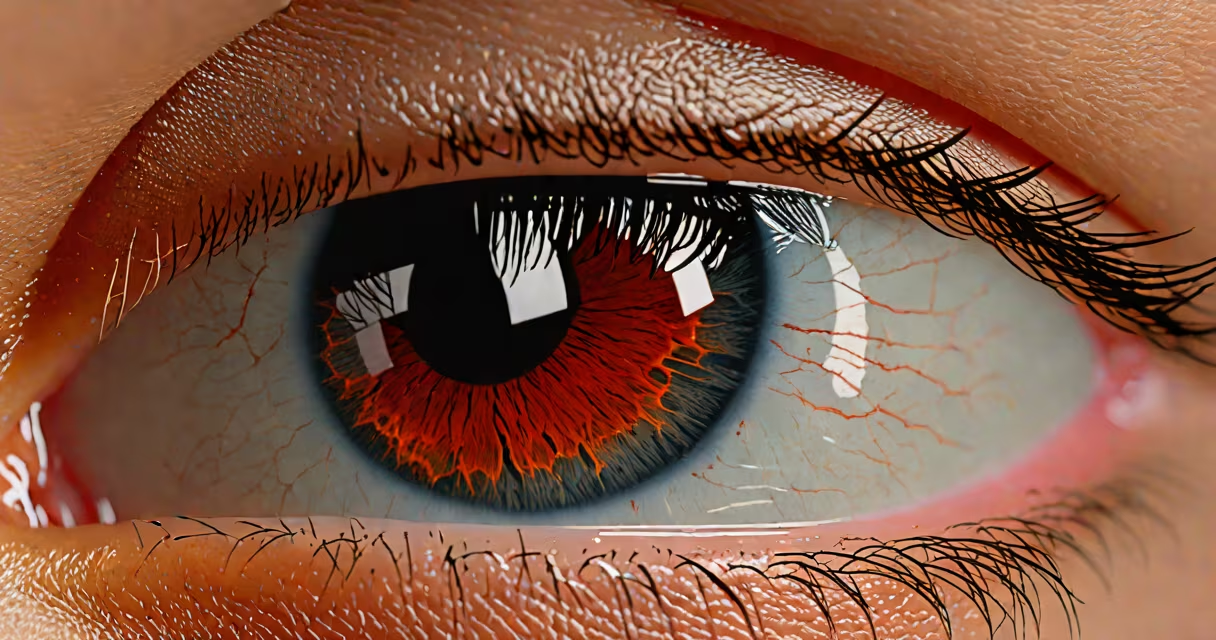
No, you cannot reliably see a corneal abrasion with the naked eye. The cornea is the clear, outer layer covering the front of the eye. A small scratch or injury to this surface often appears invisible during casual inspection, even under bright light. Symptoms such as pain, tearing, and light sensitivity typically indicate damage, not visual signs.
Corneal abrasions result from foreign objects, fingernails, contact lenses, or minor trauma. They affect around 1 million people annually in the U.S., according to the American Academy of Ophthalmology. Despite their frequency, most cases go unnoticed until symptoms develop. The injury itself is microscopic-often less than 1 mm wide-and lies beneath the eye's transparent surface, making it undetectable without specialized tools.
Even with a mirror and good lighting, you won't spot a corneal abrasion. The cornea lacks blood vessels, so swelling or bleeding doesn't show visibly. Instead, the body responds internally through inflammation, causing discomfort and blurred vision. Without medical evaluation, the injury can worsen due to infection or delayed healing.
Eye doctors use fluorescein dye and a blue light to reveal abrasions. A drop of dye is placed in the eye. The damaged area absorbs the dye and glows green under a slit lamp or handheld cobalt-blue light. This method detects injuries too small to see otherwise.
For example, a patient reports sudden eye pain after rubbing their eye while applying makeup. No visible redness or discharge exists. During a routine exam, the doctor applies fluorescein and sees a faint green line across the cornea-confirming a 0.5 mm abrasion. Without the dye test, the injury would have gone undiagnosed.
The American Optometric Association notes that up to 30% of corneal abrasions are missed during initial primary care visits because patients don't report symptoms or providers skip the dye test. Proper detection requires both symptom awareness and clinical tools.
Visible signs like redness, excessive tearing, or squinting suggest irritation but don't confirm a corneal abrasion. These are nonspecific responses to any eye stress. True abrasions cause sharp, persistent pain-like sand in the eye-even when the eye appears normal.
Some people mistake corneal abrasions for dry eyes or conjunctivitis. Dry eye causes burning and grittiness, but no sudden onset of pain. Conjunctivitis brings redness and mucus discharge, not the intense, localized pain typical of corneal injury. Misdiagnosis leads to ineffective treatment and prolonged discomfort.
A 2021 study in *Ophthalmology* found that 44% of patients with confirmed corneal abrasions initially believed they had a mild eye infection. Only after seeing a specialist did they receive accurate diagnosis using fluorescein staining. This highlights the gap between perceived and actual eye conditions.
| Severity | Size | Visibility | Typical Symptoms |
|---|---|---|---|
| Mild | <1 mm | None without dye | Pain, tearing, light sensitivity |
| Moderate | 1-3 mm | Visible only with fluorescein | Burning, blurred vision, frequent blinking |
| Severe | >3 mm or central location | May appear cloudy under magnification | Intense pain, vision loss, photophobia |
Mild corneal abrasions affect the outermost epithelial layer. Healing occurs within 24-48 hours with proper care. Moderate injuries involve deeper tissue and require antibiotic drops to prevent infection. Severe abrasions-especially those near the center of the cornea-risk scarring and long-term vision changes.
Central abrasions are particularly dangerous. Even a 2 mm wound in the visual axis can distort images. The cornea's role in focusing light means any disruption affects clarity. Scarring from untreated injuries can lead to permanent blurriness.
If you suspect a corneal abrasion, do not rub the eye. Rubbing spreads debris and increases risk of infection. Avoid over-the-counter eye drops unless prescribed. Some contain vasoconstrictors that mask symptoms and delay diagnosis.
I once treated a patient who ignored eye pain for two days after getting dust in his eye. He used saline rinse and eyedrops from a pharmacy. By day three, he developed a corneal ulcer. Fluorescein testing revealed a 2 mm abrasion with early bacterial invasion. Prompt treatment with antibiotics prevented vision loss.
Seek immediate care if you experience any of these: severe pain, worsening vision, inability to open the eye, or a sensation of something still in the eye after rinsing. The American Academy of Ophthalmology recommends evaluation within 24 hours of suspected injury.
Many assume that if the eye looks normal, nothing is wrong. That's false. Corneal abrasions are among the most common eye injuries, yet many go unreported because they lack visible signs. The absence of redness or discharge does not rule out damage.
Another misconception: "I can see it." You cannot. The cornea is transparent. Even a large abrasion may not show color change. Only diagnostic tools reveal the injury. Relying on sight alone risks missing a serious issue.
People with contact lenses are especially vulnerable. A 2020 study in *Cornea* found that 67% of contact lens wearers who reported eye pain had corneal abrasions, but none noticed the injury until examined. Wearing lenses during an abrasion increases infection risk by 3.5 times.
Understanding that a corneal abrasion is invisible to the naked eye prevents delays in treatment. Pain, tearing, and light sensitivity are warning signals-not minor annoyances. Ignoring them risks complications like corneal scarring or chronic pain.
When you ask "can you see a corneal abrasion," the answer is no. But symptoms are clear. Trust them. Seek care. Your vision depends on it.