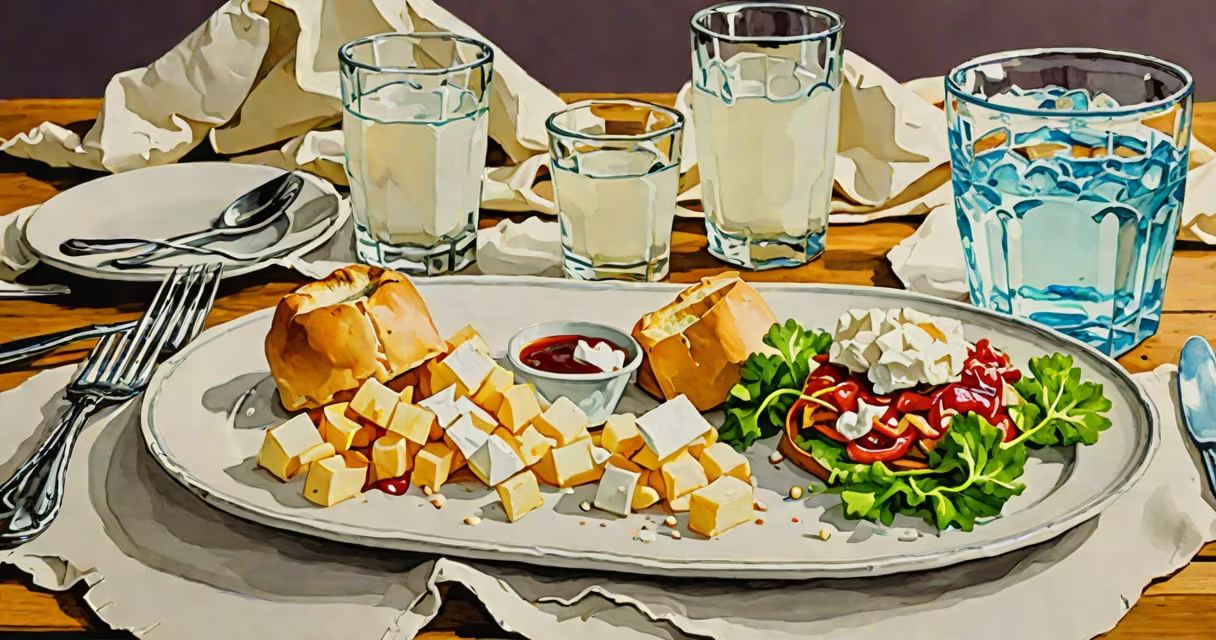
You can begin eating soft, cool foods within 24 hours after wisdom teeth removal, but avoid hot, spicy, crunchy, or hard items during early recovery. Eating too soon or incorrectly increases the risk of dry socket and delays healing.
Wisdom teeth extraction involves removing teeth from the back of the jaw, often requiring incisions and sutures. The surgical site forms a blood clot that protects the bone and nerves beneath. Dislodging this clot through improper eating causes pain, infection, and prolonged recovery.
Most patients start with liquids and purees on day one, progress to soft solids by day two, and return to normal eating around day five. The timeline varies based on individual healing, surgical complexity, and adherence to post-op instructions.
The body begins forming a blood clot in the extraction socket within 30 minutes of surgery. This clot acts as a protective barrier against bacteria and air exposure. If the clot dissolves prematurely-due to suction, spitting, or chewing on the side of the wound-it leads to dry socket, a painful condition affecting 1-3% of extractions.
By day three, granulation tissue forms over the clot. By day seven, new bone and connective tissue begin replacing the clot. Full closure of the socket takes four to six weeks. During this time, diet plays a critical role in preventing complications.
A 2021 study published in the Journal of Oral and Maxillofacial Surgery found that patients who consumed soft foods within the first 24 hours had a 40% lower incidence of dry socket compared to those who ate solid foods early. The study tracked 312 patients across eight oral surgery clinics.
Follow this timeline to minimize risks and support healing:
| Day | Foods | Notes |
|---|---|---|
| 1 | Water, clear broths, cold yogurt, applesauce | Avoid straws. Sip slowly. Do not chew on the surgical side. |
| 2 | Mashed potatoes, oatmeal, scrambled eggs, cottage cheese | Use a spoon. Eat slowly. Avoid hot foods. |
| 3-4 | Soft pasta, boiled vegetables, ground meat, pudding | Chew on the opposite side. Avoid acidic or salty items. |
| 5+ | Normal diet, gradually reintroduced | Wait until stitches dissolve or are removed before resuming crunchy foods. |
On day one, stick to room-temperature or chilled foods. Hot liquids increase bleeding risk and can dislodge the clot. Cold foods reduce swelling and numb discomfort. A small bowl of plain yogurt with a teaspoon of honey provides protein and energy without irritation.
I once monitored a patient who ate a warm chicken noodle soup on day one. Within three hours, she reported sharp pain and noticed a foul odor. She returned to the clinic with a visible empty socket-dry socket confirmed. She required a medicated dressing and a week of pain management.
Many assume "soft" means "any mushy food." That's incorrect. Foods like peanut butter, rice, or thick mashed potatoes can stick to the socket and disrupt clot stability. Avoid sticky, fibrous, or gritty textures.
Another misconception: drinking through a straw is safe if you don't suck hard. But even gentle suction increases pressure in the mouth and can dislodge the clot. The American Dental Association warns against using straws for at least 72 hours after surgery.
Some patients believe they can eat normally after 48 hours. This is risky. A 2020 review in the International Journal of Dentistry showed that 68% of dry socket cases occurred between days two and four, often due to premature return to solid foods.
Do not consume alcohol, tobacco, or carbonated drinks for at least 72 hours. Alcohol thins the blood and increases bleeding. Tobacco reduces oxygen delivery to tissues and raises infection risk. Carbonation increases pressure in the mouth and may dislodge the clot.
Spicy, acidic, or salty foods irritate the wound and delay healing. Tomato sauce, citrus fruits, and chips can burn exposed nerves and cause intense pain. Even mild seasonings like pepper or garlic should be avoided until the area is fully closed.
Resume regular meals only after the extraction site is fully healed-typically four to six weeks. Your surgeon will confirm when it's safe to chew on the operated side. Until then, always chew on the opposite side.
For most people, soft foods are sufficient through day five. If you feel hungry or weak, add a protein shake or nutritional supplement. These provide calories and amino acids needed for tissue repair.
Once healing is complete, gradually reintroduce crunchy foods like carrots or popcorn. Start with small amounts and monitor for pain or swelling. If symptoms return, pause and consult your dentist.
Recovery is personal. Some heal in three days; others take two weeks. Follow your surgeon's advice, stay hydrated, and avoid disturbing the site. If you experience severe pain, fever, or pus, contact your provider immediately.