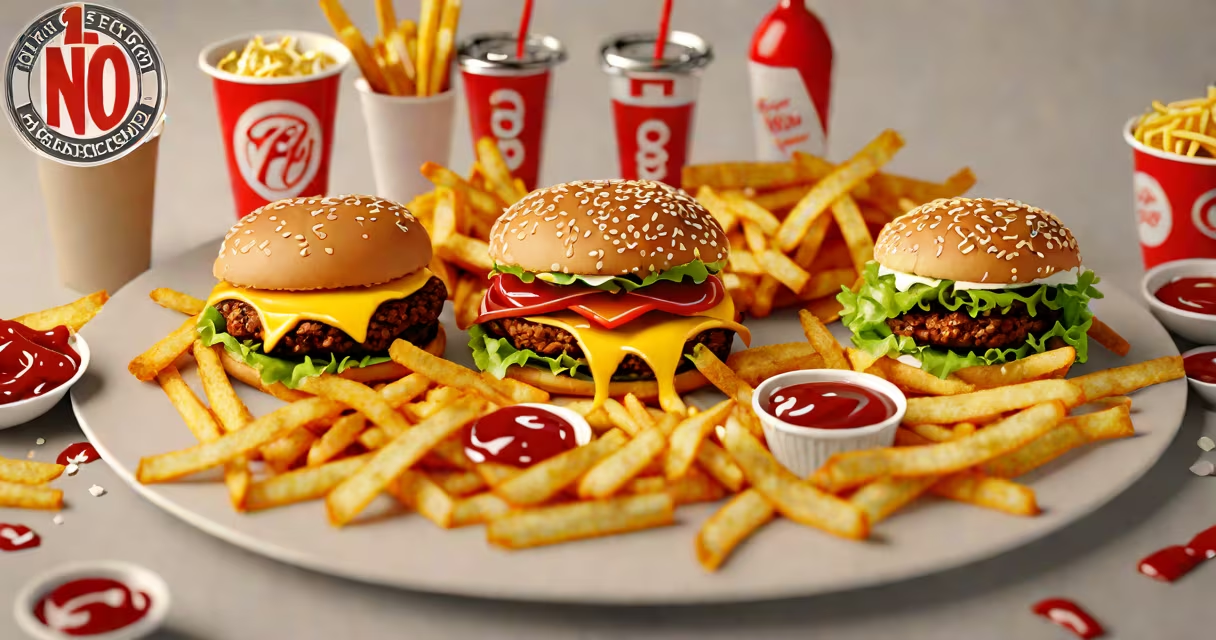
Eating fast food every day means consuming meals high in saturated fat, sodium, and added sugars, which consistently exceeds recommended dietary limits and increases long-term risk of chronic diseases such as type 2 diabetes, cardiovascular disease, and obesity.
Fast food is designed for speed, low cost, and high palatability. Most items-like burgers, fries, and sugary drinks-are formulated with refined carbohydrates, hydrogenated oils, and flavor enhancers such as monosodium glutamate (MSG). These ingredients trigger dopamine release in the brain, creating a reward response similar to addictive substances. Over time, this leads to increased cravings and reduced satiety signals, making overeating common.
A 2023 study published in *The BMJ* tracked over 100,000 adults across five years and found that those who ate fast food more than twice a week had a 28% higher risk of developing type 2 diabetes compared to those who ate it less than once a month. Another analysis from the American Heart Association confirmed that daily fast food intake correlates with elevated LDL cholesterol and triglycerides, both markers of heart disease risk.
When you eat fast food every day, your body receives a steady influx of energy-dense, nutrient-poor calories. A single large fast food meal can contain 1,200 to 1,600 calories-over half the daily recommended intake for most adults. This disrupts metabolic balance, leading to insulin resistance and fat accumulation, especially visceral fat around organs.
The high sodium content-often exceeding 1,000 mg per meal-forces the kidneys to work harder, raising blood pressure. Chronic hypertension damages blood vessels and increases stroke risk. A 2021 report from the Centers for Disease Control and Prevention (CDC) noted that Americans consume an average of 3,400 mg of sodium daily, far above the recommended 2,300 mg limit, with fast food contributing nearly 40% of that total.
Processed ingredients in fast food also impair gut microbiome diversity. Research from *Nature Microbiology* shows that diets high in ultra-processed foods reduce beneficial bacteria like *Bifidobacterium* and *Akkermansia*, which regulate inflammation and glucose metabolism. This imbalance may contribute to leaky gut syndrome and systemic inflammation.
Not all fast food is equally harmful, but all share core issues: high energy density, low micronutrient content, and reliance on industrial processing. Here's a breakdown of common categories:
| Type | Typical Calories/Meal | Key Risks | Common Additives |
|---|---|---|---|
| Burger & Fries Combo | 1,400-1,600 | High saturated fat, acrylamide (from frying) | Hydrogenated oils, MSG, preservatives |
| Sandwiches (e.g., chicken wrap) | 800-1,100 | High sodium, low protein quality | High-fructose corn syrup, artificial flavors |
| Breakfast Items (e.g., hash browns, muffins) | 700-1,000 | High sugar, trans fats | Refined flour, added sugars, emulsifiers |
| Soft Drinks & Sweetened Beverages | 250-500 (per 16 oz) | Increased liver fat, insulin resistance | High-fructose corn syrup, phosphoric acid |
Acrylamide, formed during high-temperature frying of starchy foods like fries, is classified as a probable human carcinogen by the International Agency for Research on Cancer (IARC). Regular exposure through daily fast food increases lifetime cancer risk, particularly for colorectal and pancreatic cancers.
Fast food is prevalent in urban and suburban areas due to convenience, affordability, and marketing. In the U.S., 37% of adults report eating fast food at least once a day, according to the USDA's 2022 National Health and Nutrition Examination Survey (NHANES).
Low-income households are disproportionately affected. A 2020 study in *The Lancet Public Health* found that families earning under $30,000 annually consumed fast food 3.2 times per week on average-nearly double the rate of higher-income groups. Limited access to grocery stores with fresh produce, known as "food deserts," forces reliance on nearby fast food outlets.
Work schedules also drive daily fast food use. Shift workers, especially those in healthcare and transportation, often eat on the go. A 2021 survey by the National Sleep Foundation showed that 68% of night-shift employees reported eating fast food at least once a day due to limited meal options during their shifts.
Many assume that occasional fast food is harmless. But research shows harm accumulates even with moderate intake. A 2022 longitudinal study in *JAMA Internal Medicine* found that eating fast food just once a week was linked to a 12% increase in coronary artery calcification over five years-indicating early-stage heart disease.
Another myth is that fast food restaurants offer healthy options. While many now list salads or grilled chicken, these are often overshadowed by promotional deals on high-calorie items. A 2023 audit by the Consumer Reports Healthy Eating Initiative revealed that 74% of menu items labeled "light" or "balanced" still contained more than 500 calories and exceeded daily sodium recommendations.
Some believe that exercising regularly offsets fast food's damage. However, physical activity cannot fully reverse metabolic changes caused by poor diet. A 2021 study in *Cell Metabolism* demonstrated that mice fed a fast food-like diet developed insulin resistance regardless of exercise level. Human trials show similar results: exercise improves fitness but doesn't eliminate the impact of daily high-fat, high-sugar intake on liver function and blood sugar control.
Consider John, a 40-year-old office worker who eats fast food for lunch and dinner six days a week. His typical day includes a double cheeseburger (750 kcal), medium fries (380 kcal), and a large soda (250 kcal)-totaling 1,380 calories. He skips breakfast and eats a snack bar in the afternoon.
Over six months, John gained 18 pounds. Blood tests showed his LDL cholesterol rose from 110 to 155 mg/dL, his triglycerides jumped from 120 to 210 mg/dL, and his fasting glucose reached 130 mg/dL-diagnosed as prediabetes. His doctor advised immediate dietary change and referred him to a registered dietitian.
After switching to home-cooked meals using whole grains, vegetables, and lean proteins, John lost 12 pounds in four months. His glucose dropped to 98 mg/dL, triglycerides fell to 130 mg/dL, and his blood pressure stabilized at 120/80 mmHg.
Replacing daily fast food requires planning and awareness. Start by tracking your meals for one week using a nutrition app. Identify patterns-such as skipping breakfast or relying on drive-thrus-and replace them with simple alternatives: overnight oats, hard-boiled eggs, or a banana with peanut butter.
When you do eat out, choose grilled items over fried, skip the soda, and ask for dressings on the side. A 2023 review in *Nutrition Today* found that people who made small substitutions-like swapping fries for a side salad-reduced daily calorie intake by an average of 320 calories without feeling deprived.
Consistent fast food consumption alters biology. It's not just about weight gain-it's about long-term disease prevention. The body adapts to constant stress from poor-quality fuel. Breaking the habit isn't about perfection. It's about consistent, informed choices that protect your health over decades.