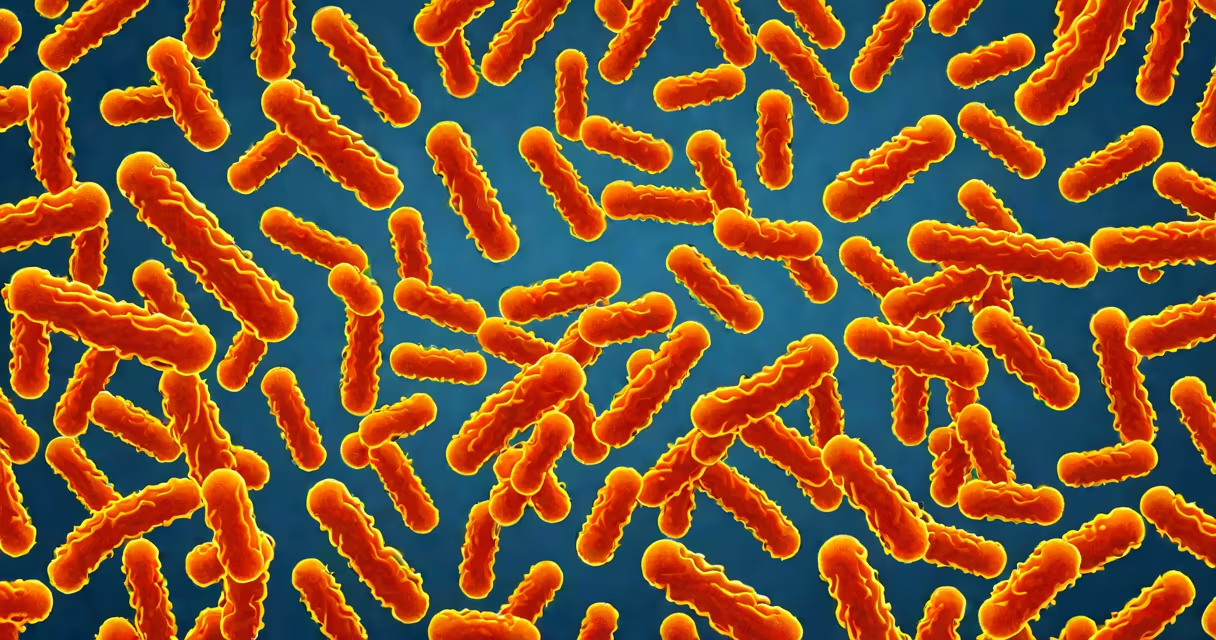
E. coli can be contagious through direct or indirect contact with feces containing the bacteria, primarily via the fecal-oral route. Transmission occurs when contaminated hands, food, water, or surfaces introduce pathogenic strains into the mouth. Not all E. coli strains are harmful-most live harmlessly in the gut-but certain types like E. coli O157:H7 cause severe illness and can spread between people.
Pathogenic E. coli strains survive in the environment for days to weeks on dry surfaces. They multiply rapidly in warm conditions, such as improperly stored food. The most common mode of spread is person-to-person in households, childcare centers, and healthcare facilities where hygiene practices may be inconsistent. Outbreaks have occurred in schools and nursing homes due to poor handwashing after using the toilet.
According to the CDC, E. coli infections are among the top five causes of foodborne illness in the U.S., with approximately 265,000 cases annually. While not all strains are contagious, those causing diarrhea, abdominal cramps, and potentially hemolytic uremic syndrome (HUS) pose a public health risk. The incubation period ranges from 1 to 10 days, with symptoms typically appearing within 3-4 days after exposure.
Transmission happens when viable E. coli bacteria enter the digestive tract through ingestion. The primary pathway is fecal-oral: a person touches a surface contaminated with feces, then touches their mouth. This route explains why outbreaks often cluster in environments with high human density and limited sanitation access.
Contaminated food is another major vector. Ground beef accounts for nearly 50% of E. coli O157:H7 cases, according to the FDA. Undercooked meat allows bacteria to survive cooking temperatures below 160°F (71°C). Raw produce like lettuce and spinach can carry E. coli if irrigated with contaminated water or handled by infected workers.
Waterborne transmission occurs in recreational waters and untreated drinking supplies. A 2019 outbreak in a Midwestern town linked to a municipal water system affected 42 people. The strain matched environmental samples from a nearby farm runoff site. This illustrates how agricultural runoff can introduce E. coli into community water sources.
Not all E. coli strains behave the same way. Only specific pathogenic types are associated with contagious disease. The main categories include:
| Type | Primary Symptoms | Contagious? | Common Source |
|---|---|---|---|
| E. coli O157:H7 | Hemorrhagic colitis, bloody diarrhea, HUS | Yes | Undercooked beef, raw milk, contaminated produce |
| Enterotoxigenic (ETEC) | Watery diarrhea, cramps, low-grade fever | Yes | Contaminated water, travel-related (e.g., "traveler's diarrhea") |
| Enteropathogenic (EPEC) | Infant diarrhea, prolonged watery stools | Yes | Daycare centers, household contacts |
| Non-pathogenic (e.g., K-12) | None | No | Normal gut flora |
Strains like O157:H7 and ETEC are highly transmissible in settings with poor hygiene. A single gram of feces can contain up to 1 billion E. coli cells. Even trace amounts ingested can trigger infection, especially in children and immunocompromised individuals.
One overlooked fact: E. coli can persist on surfaces for up to 28 days. A study published in the Journal of Applied Microbiology found that E. coli O157:H7 survived on stainless steel at room temperature for 21 days. This durability increases the risk in kitchens, bathrooms, and shared spaces.
Children under five, elderly adults, and people with weakened immune systems face higher risks of severe outcomes. In a 2021 study by the National Institute of Allergy and Infectious Diseases, 15% of pediatric E. coli cases developed HUS-a life-threatening condition affecting kidney function. Among those, 40% required dialysis.
Outbreaks in daycare centers are particularly concerning. A 2018 incident in Oregon involved 12 children and two staff members. The source was traced to a toddler who had diarrhea but continued attending. The facility lacked proper diaper-changing protocols and hand sanitizer availability. After the outbreak, state regulations were updated to require daily disinfection of high-touch surfaces.
Travelers to regions with inadequate sanitation are also vulnerable. In 2022, a group of backpackers in Southeast Asia contracted ETEC E. coli after drinking tap water. Despite boiling water, they failed to filter out bacterial particles. This highlights that boiling alone doesn't eliminate all pathogens-filtration is necessary.
Proper handwashing is the most effective barrier. The CDC recommends washing hands with soap and water for at least 20 seconds after using the bathroom, changing diapers, or handling animals. Alcohol-based sanitizers reduce E. coli levels by 99.9%, but they don't kill spores or remove visible dirt.
A common misconception is that E. coli only comes from undercooked meat. While beef is a frequent carrier, produce is responsible for 30% of U.S. E. coli cases, according to the FDA. Leafy greens, sprouts, and melons have caused multiple outbreaks due to contamination during harvesting or processing.
I once monitored a small-scale outbreak in a rural school district. Two students reported vomiting and diarrhea within 24 hours. Testing revealed E. coli O157:H7 in cafeteria salad kits. The source was traced to a local farm supplying romaine lettuce. The farm used irrigation water diverted from a stream near cattle pastures. This case showed how agricultural practices upstream can impact consumer safety downstream.
Preventing E. coli transmission requires layered defenses. Cook meat to 160°F internally, wash produce under running water, avoid cross-contamination between raw and cooked foods, and sanitize surfaces regularly. If someone in your home has E. coli symptoms, isolate them until symptoms resolve and maintain strict hygiene.
Understanding how E. coli spreads helps reduce transmission. Knowing which strains are contagious and how they move through environments enables better protection. Always assume pathogenic E. coli is contagious unless proven otherwise. Proper hygiene, safe food handling, and timely medical care prevent further spread.
When considering whether E. coli can be contagious, the answer is yes-especially for pathogenic strains. These organisms spread through fecal-oral transmission, contaminated food, and poor hygiene. Awareness of transmission routes and preventive measures reduces individual and community risk. Stay informed, stay clean, and act quickly when symptoms appear.