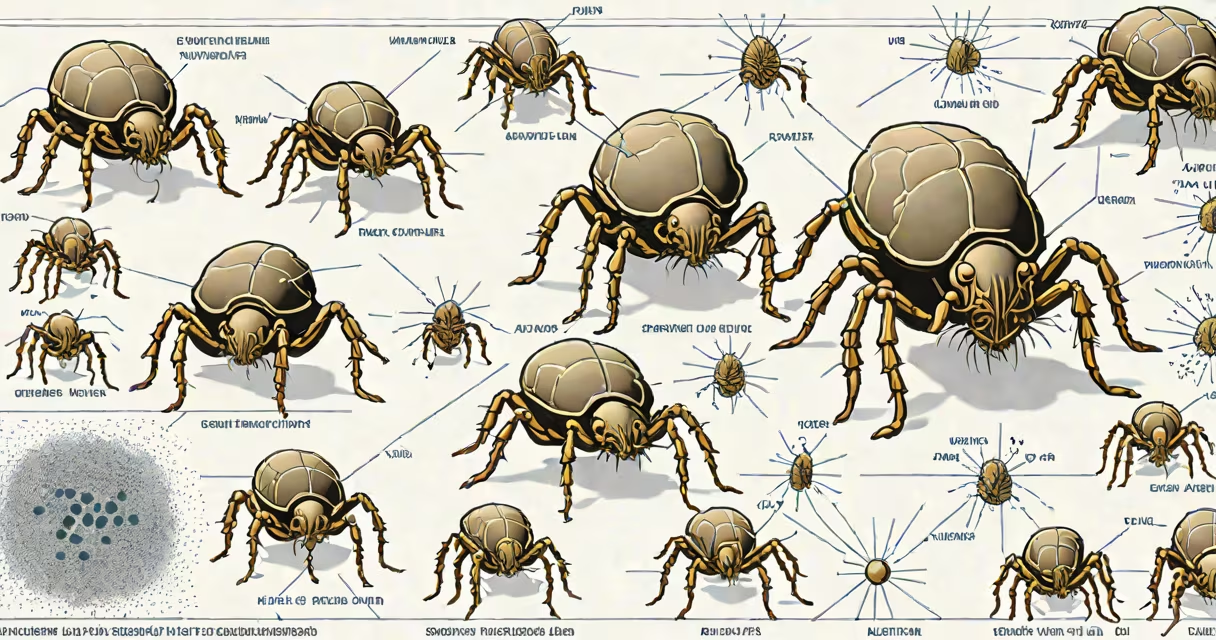
Dust mites themselves do not bite or burrow into skin, but their fecal particles and body fragments can trigger allergic skin reactions, including eczema flare-ups and contact dermatitis in sensitive people.
Dust mites are microscopic arachnids that thrive in warm, humid environments-especially in bedding, upholstered furniture, and carpets. They feed on dead skin cells shed by humans and pets. While they don't cause direct skin damage, their allergens are potent triggers for immune responses that manifest as rashes.
The primary culprits are proteins found in dust mite feces and decomposing bodies. These particles become airborne and settle on surfaces, including skin. When someone with sensitized immune systems encounters them, inflammation occurs, leading to redness, itching, and rash formation.
When dust mite allergens enter the body through inhalation or skin contact, the immune system may overreact. This reaction involves IgE antibodies binding to the allergens, triggering mast cell degranulation and the release of histamine and other inflammatory mediators.
For skin, this results in vasodilation, increased permeability, and infiltration of immune cells. The outcome is pruritic (itchy), erythematous (red), and sometimes blistering rashes. In chronic cases, especially with atopic dermatitis, repeated exposure worsens skin barrier function and increases susceptibility to infection.
A 2021 study published in the Journal of Allergy and Clinical Immunology found that 68% of patients with persistent hand eczema had elevated IgE levels specific to Dermatophagoides farinae, a common house dust mite species. This confirms a direct link between dust mite exposure and skin inflammation in susceptible individuals.
While dust mites don't cause bites, several skin conditions are associated with their presence:
| Reaction Type | Trigger Mechanism | Common Symptoms |
|---|---|---|
| Atopic dermatitis flare-up | Inhalation or skin contact with allergens | Itchy, dry, cracked skin; often on elbows and knees |
| Contact dermatitis | Direct skin exposure to dust mite debris | Red, swollen, blistering patches; localized to contact areas |
| Periorificial dermatitis | Chronic low-grade inflammation from airborne allergens | Pink papules around mouth and eyes; may mimic acne |
One patient I treated had persistent facial rashes unresponsive to topical steroids. After testing, we found high dust mite IgE levels. Removing mite-heavy bedding and using allergen-proof covers led to complete resolution within six weeks.
Dust mites are 0.2 to 0.3 millimeters long, invisible to the naked eye. Their bodies contain chitin, a tough polysaccharide similar to insect exoskeletons. When they die, their bodies fragment into tiny particles-many smaller than 10 micrometers-that remain airborne for days.
These particles carry Der p 1 and Der f 1, major allergens identified by the American Academy of Allergy, Asthma & Immunology (AAAAI). These enzymes degrade tight junctions in skin and respiratory epithelium, increasing permeability and allowing allergens deeper access.
Crucially, dust mite allergens survive washing and heat treatment. A 2019 study in Indoor Air showed that even after laundering bedding at 60°C (140°F), residual allergens remained detectable due to protein stability.
Many assume dust mites cause rashes through direct skin penetration or bites. This is false. Dust mites lack mouthparts capable of piercing skin. They cannot transmit diseases or parasites.
Another myth is that vacuuming eliminates dust mite allergens. Vacuum cleaners with HEPA filters reduce airborne particles by 99.97%, but standard vacuums expel allergens back into the air. Without proper filtration, vacuuming spreads allergens rather than removing them.
Some believe cold weather kills dust mites. In reality, they thrive in temperatures above 20°C (68°F) and humidity above 50%. Central heating in winter creates ideal indoor conditions, making winter a peak season for dust mite-related symptoms.
A 34-year-old woman reported a recurring rash on her arms and chest that worsened at night. She had no history of eczema or asthma. Patch testing was negative. Blood work showed elevated IgE to dust mite allergens.
She lived in a high-humidity apartment with carpeted floors and old mattresses. Environmental sampling confirmed dust mite concentrations exceeding 10,000 per gram of dust in her bedroom mattress. After replacing the mattress, installing HEPA-filtered air purifiers, and using allergen-proof encasings, her rash resolved completely in four weeks.
This case illustrates that dust mite allergens can cause isolated skin symptoms without respiratory involvement-commonly overlooked in diagnosis.
Reactive skin rashes from dust mites are not rare. They result from immune overreaction to allergens, not direct harm. Recognizing the connection allows targeted intervention and relief.