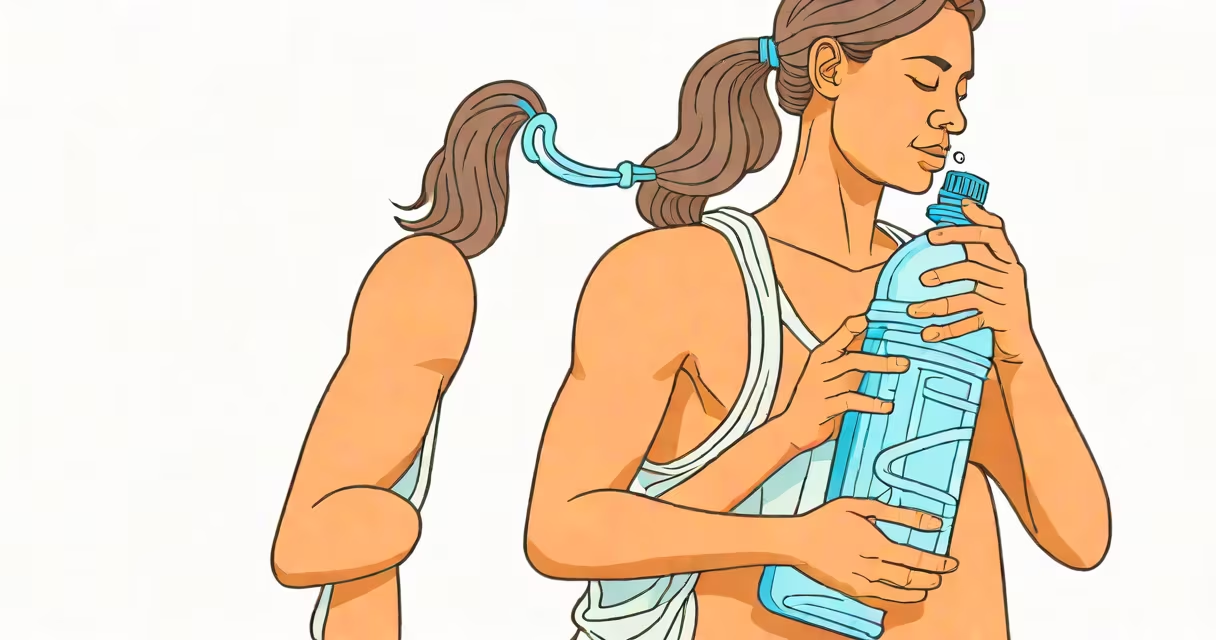
Yes, dehydration can cause bloating and gas by disrupting fluid balance in the digestive system, slowing transit time, and altering gut microbiota. Reduced water intake leads to concentrated digestive fluids, impaired nutrient absorption, and increased fermentation in the colon-all contributing to gas buildup and abdominal swelling.
When the body lacks sufficient water, the large intestine pulls more fluid from stool to conserve hydration. This results in hard, dry stools and slowed movement through the colon. As waste sits longer, bacteria ferment undigested carbohydrates, producing excess gas. The trapped gas expands the intestinal walls, causing bloating. A 2021 study in Frontiers in Nutrition found that participants who consumed less than 1.5 liters of water daily reported higher rates of bloating and flatulence compared to those drinking 2.5 liters.
Electrolyte imbalances worsen the issue. Sodium and potassium regulate fluid distribution between cells and tissues. Low levels disrupt osmotic pressure, leading to fluid retention in the gut lining. This swelling contributes to the sensation of bloating even without actual gas accumulation. The American College of Sports Medicine notes that athletes losing more than 2% of body weight through sweat often report gastrointestinal distress, including bloating, within 30 minutes of exercise.
Water is essential for enzymatic activity in the small intestine. Salivary amylase and pancreatic lipase require aqueous environments to break down starches and fats. Without adequate hydration, these enzymes lose efficiency, leaving more food particles to reach the colon. There, anaerobic bacteria metabolize them into hydrogen, methane, and carbon dioxide-gases that accumulate and stretch the bowel wall.
Constipation exacerbates the problem. Stool moves slowly through the colon, increasing contact time with bacteria. A 2019 review in European Journal of Clinical Nutrition linked chronic low fluid intake to a 40% higher risk of functional constipation, which correlates strongly with bloating and excessive flatulence. Individuals with irritable bowel syndrome (IBS) are especially vulnerable-research shows that 68% of IBS patients report symptom flare-ups during periods of reduced hydration.
Even mild dehydration-defined as a 1-2% loss of body weight-impairs gut motility. The enteric nervous system, which controls peristalsis, functions poorly under low fluid conditions. This slows transit time, allowing more fermentation and gas production. One clinical trial measured colonic transit time in 40 adults; those consuming less than 1 liter of water per day had a median transit time of 52 hours versus 34 hours in the high-water group.
Bloating from dehydration differs from bloating caused by food intolerances. With dehydration, symptoms tend to develop gradually over hours or days, worsen with physical activity, and improve quickly after rehydration. Gas is often odorless and distributed evenly across the abdomen rather than localized to one area.
| Symptom | Dehydration-Related Cause | Common Triggers |
|---|---|---|
| Bloating | Fluid retention in gut lining, slow transit time | Low water intake, hot weather, intense exercise |
| Gas | Increased bacterial fermentation of undigested carbs | High-fiber foods without enough water, constipation |
| Abdominal pain | Distension from gas and fluid shifts | Delayed emptying, cramping during bowel movements |
Unlike food-induced bloating-which typically appears within 30 minutes of eating-dehydration-related symptoms peak later in the day. They may resolve after drinking 500 mL of water within 20 minutes. This rapid response helps distinguish hydration-related causes from other gastrointestinal disorders.
Many assume bloating is always caused by excess gas. But bloating can result from fluid retention, inflammation, or muscle tension. Dehydration causes both fluid retention in tissues and reduced blood flow to the gut, leading to swelling without significant gas volume. A 2020 study in Journal of Gastroenterology and Hepatology showed that 32% of patients diagnosed with "gas bloating" actually had normal gas volumes on breath testing-indicating misdiagnosis due to overlapping symptoms.
Another misconception is that drinking more water always reduces bloating. Overhydration can cause hyponatremia, lowering sodium levels and triggering cellular swelling-including in the gut. The National Institutes of Health recommends maintaining a balance: aim for 2.7 liters of total water daily for women and 3.7 liters for men, including fluids from food and beverages.
Some people confuse bloating from dehydration with bloating from dietary triggers like beans or cruciferous vegetables. While those foods increase gas production, they don't cause the systemic fluid shifts seen in dehydration. If bloating persists despite eliminating known gas-producing foods, consider hydration status. A simple test: drink 500 mL of water and monitor symptoms over 30 minutes. Improvement suggests dehydration as the root cause.
Consider Sarah, a 34-year-old office worker who reports bloating and gas every afternoon. She drinks only 1.2 liters of fluid daily-mostly coffee and soda. Her meals include whole grains, lentils, and broccoli. She assumes her symptoms stem from fiber and legumes. After tracking intake, she increases water to 2.5 liters daily and reduces caffeine. Within 48 hours, bloating decreases by 70%, and gas frequency drops from five episodes per day to one.
Her doctor confirmed no food intolerance. Breath tests showed normal hydrogen levels. The improvement correlated with increased urine output and reduced morning swelling. This case illustrates that even moderate dehydration can mimic food-related digestive issues.
Bloating and gas from dehydration usually resolve within 1-2 hours of rehydration. Persistent symptoms beyond 24 hours, especially with weight loss, blood in stool, or fever, indicate a need for medical evaluation. Conditions like inflammatory bowel disease, celiac disease, or small intestinal bacterial overgrowth (SIBO) can mimic dehydration symptoms but require different treatment.
If bloating returns after consistent hydration, consult a gastroenterologist. Tests such as a hydrogen breath test or colonoscopy may be needed. For most people, however, adjusting fluid intake resolves the issue.
Rehydrating consistently prevents bloating and gas related to fluid imbalance. Aim for 2.5-3 liters of total fluid daily, prioritize water over sugary or caffeinated drinks, and monitor urine color-pale yellow indicates proper hydration. Addressing dehydration early avoids unnecessary dietary restrictions and improves digestive comfort.