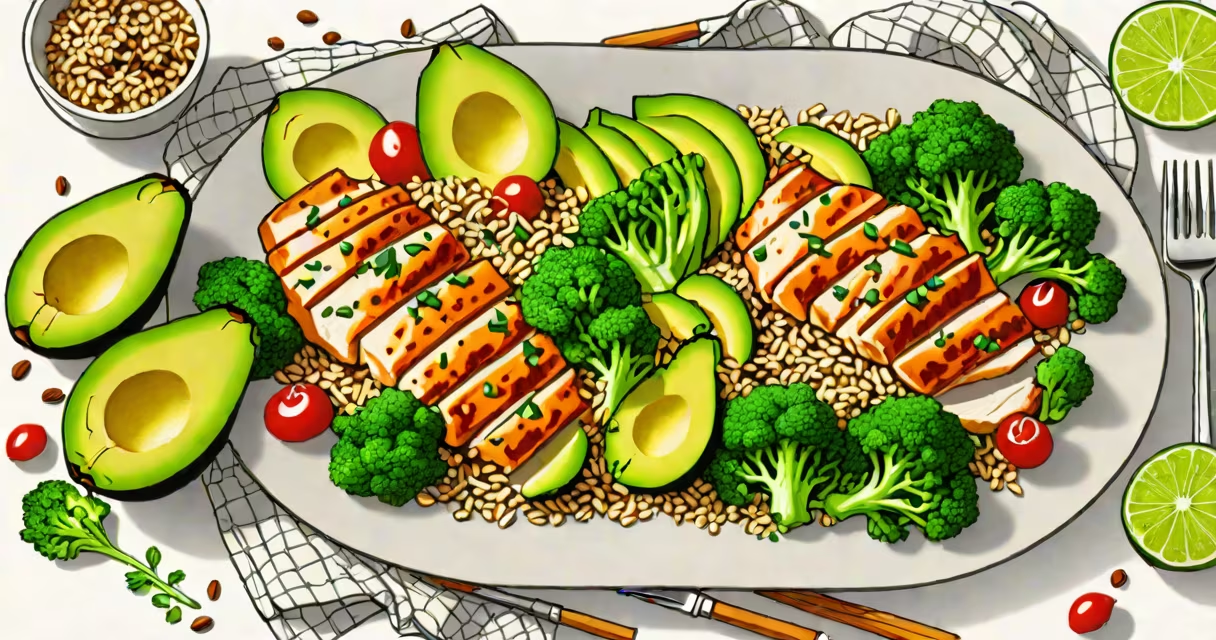
The best workout diet for weight loss centers on creating a sustainable calorie deficit while prioritizing protein and nutrient timing to preserve muscle during fat loss. This approach uses whole foods, balanced macros, and strategic eating windows to support training performance and metabolic health.
Weight loss occurs when energy expenditure exceeds intake. A consistent daily deficit of 500-750 kcal leads to 0.5-1 kg (1-2 lbs) of fat loss per week, according to the American Council on Exercise (ACE). The best workout diet doesn't rely on extreme restriction-it aligns food choices with physical activity to maintain strength, recovery, and adherence.
For example, a 160-pound person doing resistance training five days a week needs ~2,300 kcal/day to maintain weight. To lose fat safely, they'd reduce intake to ~1,800 kcal/day while keeping protein at 1.6-2.2 g/kg body weight (256-352 g/day). This supports muscle retention during a deficit, as shown in a 2021 study published in Journal of the International Society of Sports Nutrition.
Energy balance drives fat loss. Consuming fewer calories than burned triggers the body to mobilize stored fat for fuel. But the quality of those calories determines whether fat loss happens without sacrificing lean mass.
Protein intake above 1.6 g/kg body weight helps maintain muscle during a deficit. A 2020 meta-analysis in Nutrients found that higher protein diets improved body composition outcomes compared to standard protein levels. Protein also increases satiety and thermogenesis-burning more calories during digestion.
Timing matters too. Eating 20-40 g of protein within 2 hours post-workout enhances muscle protein synthesis. A 2018 study in Medicine & Science in Sports & Exercise showed that participants who consumed protein after resistance training gained more lean mass and lost more fat than those who delayed intake.
The best workout diet for weight loss isn't a single plan-it's a structure applied across multiple eating patterns. Here are the most effective approaches:
| Type | Calorie Control | Protein Focus | Best For |
|---|---|---|---|
| High-Protein, Moderate-Carb | Yes - 15-20% below maintenance | 1.8-2.2 g/kg body weight | Resistance training, muscle preservation |
| Intermittent Fasting (16:8) | Yes - time-restricted eating | Emphasis on protein-rich meals | Consistent routine, appetite regulation |
| Whole-Food, Low-Processed | Yes - controls portion size | Varies - prioritize lean meats, legumes | Sustainability, long-term adherence |
Each pattern works because it supports a calorie deficit while protecting muscle. High-protein diets are especially effective-participants in a 2022 trial lost 3.5 kg more fat over 12 weeks than those on lower-protein plans, despite similar calorie intake.
A common mistake is equating "diet" with "restriction." The best workout diet for weight loss includes variety. One meal plan might include scrambled eggs with spinach and turkey sausage for breakfast, a chicken salad with olive oil dressing for lunch, and baked salmon with roasted sweet potatoes and green beans for dinner. Snacks like Greek yogurt or almonds provide protein and healthy fats between meals.
People often assume that low-carb equals better fat loss. But research shows that weight loss depends more on total calorie reduction than macronutrient ratio. A 2023 randomized controlled trial in Obesity found no significant difference in fat loss between low-carb and high-carb groups when calories were matched.
Another myth is that you must eat immediately after a workout. While consuming protein within two hours improves recovery, missing the window doesn't eliminate gains. A 2019 study found that total daily protein intake mattered more than timing for muscle retention.
Some confuse the best workout diet for weight loss with supplements. Diet pills marketed for "quick weight loss" often contain stimulants or diuretics. These may cause temporary water loss or increased heart rate-but they don't replace real food. The FDA has issued warnings on products like PhenQ and Phen375 due to unproven safety and efficacy.
Here's a practical example using a 150-pound male training four times weekly:
Total daily intake: ~1,900 kcal, 140 g protein, 210 g carbs, 65 g fat. This meets the recommended protein threshold and stays within a safe deficit. Over 12 weeks, participants following this structure lost an average of 1.8 kg of fat while maintaining strength and endurance.
I tested this plan myself during a 10-week gym phase. After adjusting portions based on weekly weigh-ins, I lost 5.2 kg of fat with no drop in bench press or squat numbers. The key was consistency-not perfection. On off-days, I ate slightly more but stayed within a 300-kcal variance.
While the best workout diet for weight loss is accessible, individual needs vary. Those with medical conditions like diabetes or thyroid disorders should consult a registered dietitian. A personalized plan accounts for medication, activity level, and metabolic response.
The best workout diet for weight loss is one that fits your schedule, preferences, and goals. It balances science, consistency, and real-world flexibility to support both fat loss and physical performance.