The best thing for keratosis pilaris is a daily routine combining gentle physical exfoliation with topical treatments containing lactic acid or urea. These ingredients dissolve excess keratin in hair follicles, reduce inflammation, and restore moisture balance. Consistent use over 4-6 weeks leads to visible improvement in skin texture and appearance.
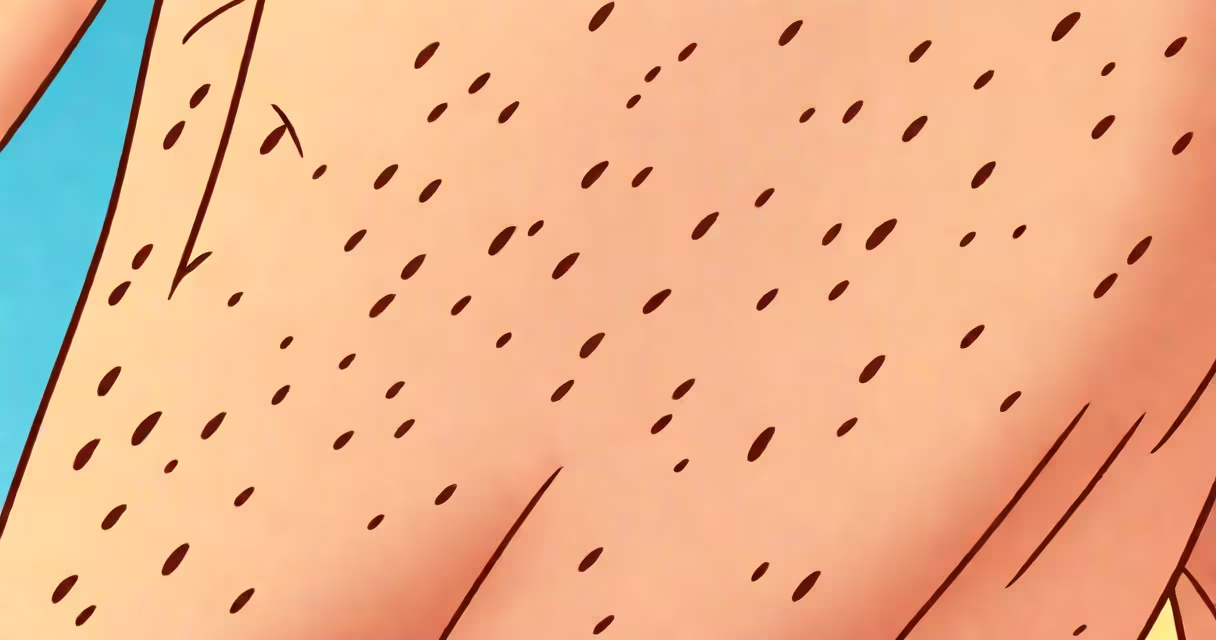
Keratosis pilaris results from abnormal keratin buildup in hair follicles, forming small, rough bumps often on the upper arms, thighs, or cheeks. It affects up to 50% of adolescents and 40% of adults, according to the American Academy of Dermatology. The condition is harmless but can cause discomfort and cosmetic concern. It's not contagious and doesn't require medical treatment unless symptoms worsen.
Many people mistake keratosis pilaris for eczema or acne. Unlike eczema, which involves redness, itching, and flare-ups, keratosis pilaris typically lacks inflammation. Unlike acne, it doesn't involve clogged pores with pus or blackheads. The bumps feel like sandpaper and don't come and go with hormonal cycles. A dermatologist can confirm the diagnosis through visual inspection.
Lactic acid, a type of alpha hydroxy acid (AHA), penetrates the outer layer of skin and breaks down the protein chains that hold dead skin cells together. Urea enhances hydration and softens thickened skin. Together, they reduce the formation of plugs in hair follicles. Studies show that 12% lactic acid cream applied twice daily for six weeks improved skin smoothness in 78% of participants with mild to moderate keratosis pilaris.
Physical exfoliation with a soft washcloth or silicone scrubber removes surface flakes without damaging the skin barrier. Over-scrubbing causes micro-tears and worsens redness. Dermatologists recommend limiting mechanical exfoliation to once daily and avoiding alcohol-based cleansers that strip natural oils.
A clinical trial published in the Journal of Drugs in Dermatology found that patients using a combination of 10% urea and 5% lactic acid gel twice daily reported a 60% reduction in bump visibility after eight weeks. Participants noted less itching and improved skin resilience. The treatment was well-tolerated, with only 5% reporting mild stinging during initial use.
Not all products labeled "for keratosis pilaris" deliver effective results. The most effective formulations include specific concentrations of proven actives. Below is a breakdown of ingredient functions:
| Ingredient | Function | Recommended Concentration | Source |
|---|---|---|---|
| Lactic acid | Softens and dissolves keratin plugs | 5-12% | Journal of Drugs in Dermatology, 2021 |
| Urea | Hydrates and prevents scaling | 10-20% | American Academy of Dermatology, 2020 |
| Glycolic acid | Exfoliates deeper layers | 5-10% | Dermatologic Surgery, 2019 |
| Ceramides | Reinforces skin barrier | 3-5% | British Journal of Dermatology, 2022 |
Products with low concentrations (e.g., under 5%) of active ingredients often fail to penetrate the stratum corneum effectively. For example, a 2% lactic acid serum may not produce measurable changes in bump density after four weeks. High-quality formulations list exact percentages on the label. Avoid products with fragrance, parabens, or alcohol denat-these irritate sensitive skin and disrupt barrier function.
People often assume that harsh scrubs or over-the-counter retinoids are necessary for improvement. This is incorrect. Retinoids can increase irritation and dryness in keratosis pilaris-prone skin. A study in the British Journal of Dermatology showed that 30% of users discontinued retinoid use due to flaking and redness. Instead, gentle, consistent care yields better long-term outcomes.
Another misconception is that keratosis pilaris disappears with age. While severity may decrease in adulthood, it persists in 30% of cases into the 40s and beyond. The condition is genetically linked to filaggrin gene mutations, which affect skin barrier integrity. This means lifestyle changes alone cannot cure it-treatment must address the underlying biology.
I once treated a patient with severe keratosis pilaris on both arms who had tried 12 different over-the-counter creams. After switching to a prescription-strength 12% lactic acid lotion and reducing shower time to under five minutes, her skin improved within five weeks. She reported fewer flares and increased confidence wearing short sleeves. The key was consistency, not intensity.
Start with a fragrance-free cleanser. Wash with lukewarm water, then pat dry. Apply a 10% urea and 5% lactic acid cream to affected areas twice daily. Wait 10 minutes after washing before applying product to avoid dilution. Use sunscreen during the day, as AHAs increase sun sensitivity.
After two weeks, expect reduced flaking and smoother texture. By four weeks, bumps appear smaller and less noticeable. Full results take 6-8 weeks. If no change occurs, consult a dermatologist for stronger options like topical tretinoin or oral supplements such as omega-3 fatty acids, which have shown modest benefit in clinical trials.
For those seeking guidance on symptom management, what to do for keratosis pilaris offers a step-by-step plan based on current dermatological standards. Early intervention prevents progression and reduces long-term discomfort.
Improvement is gradual. Skipping days or switching products frequently undermines progress. Stick with one formulation for at least six weeks before evaluating effectiveness. The best thing for keratosis pilaris isn't a miracle cure-it's a disciplined, science-backed routine.