Bad mom jokes are intentionally cheesy, pun-driven lines delivered with minimal flair, often relying on groan-worthy wordplay, double meanings, or absurd logic. They thrive on predictable setups and punchlines that land with a thud-exactly as intended. These jokes are not meant to be clever; they're designed to elicit eye rolls and reluctant chuckles.
They function as a form of low-stakes humor used in domestic settings, especially among parents and children. The humor stems from exaggeration, literal interpretations of idioms, and awkward timing. A typical bad mom joke might say, "I'm not saying I'm a bad mom, but I've been known to eat the last slice of pizza while pretending it's a crime scene."
These jokes are not random nonsense-they follow a pattern: a setup that sounds normal, then a twist based on a homophone, a play on a common phrase, or a nonsensical conclusion. The punchline rarely surprises because it's expected. That predictability is the core of their appeal.
Bad mom jokes rely on linguistic shortcuts. They exploit ambiguity in language-especially homophones, compound words, and idiomatic expressions. For example, "I told my kids I was going to the gym. They said, 'Mom, that's not a place.'" This plays on the double meaning of "gym" as both a fitness center and a slang term for "gymnastics," which kids might associate with circus performers.
The delivery matters. The best bad mom jokes are said flatly, without irony. A mother says, "I'm not lazy-I'm in energy-saving mode," with a straight face. The lack of performance heightens the absurdity. The joke isn't funny because of the punchline-it's funny because the speaker treats the nonsense as fact.
Research from the University of California, Berkeley, shows that people find humor in violations of expectation, especially when the violation is mild and safe. Bad mom jokes fit this model: they break logical patterns but do so in a way that feels harmless and familiar. As psychologist Victor Raskin noted in his Script-Based Semantic Theory of Humor, humor arises when a situation triggers a mismatch between expectations and reality-exactly what happens in a bad mom joke.
Bad mom jokes fall into recognizable categories based on structure and subject. The most frequent types include:
| Type | Structure | Example |
|---|---|---|
| Puns on household items | Wordplay using common objects | "I don't need a therapist. I have a washing machine-and it listens." |
| Idiom twists | Reinterpretations of common phrases | "I'm not a morning person. I'm a 'I haven't had coffee yet' person." |
| Literal interpretations | Take a metaphor or idiom too seriously | "My son asked why I was crying. I said, 'Because I'm sad.' He said, 'But you're not crying.' I said, 'That's because I'm not sad yet.'" |
| Self-deprecating role jokes | Mocking parenting roles | "I'm not a bad mom-I just have a very high tolerance for chaos." |
Each type uses repetition and familiarity to build tension. The audience knows the setup, waits for the twist, and reacts with a mix of annoyance and amusement. The humor isn't intellectual-it's emotional. It signals belonging: "We're in this mess together."
Bad mom jokes appear most often in homes, school drop-off lines, parent-teacher meetings, and family group chats. They serve as social lubricants during stressful moments. A mother might crack one after a child spills juice, diffusing tension with absurdity rather than frustration.
They're especially effective in multigenerational households. Grandparents may not get the reference, but they still laugh because the delivery is clear and the tone is warm. According to a 2022 study by the Pew Research Center, 68% of U.S. adults aged 30-50 report sharing or receiving "silly family jokes" weekly, with moms being the most frequent originators.
There's also a cultural shift toward embracing "cringe" humor as a form of bonding. Platforms like TikTok and Instagram Reels feature videos of mothers delivering bad mom jokes with exaggerated facial expressions. One viral clip showed a mom saying, "I'm not tired-I'm just in recovery mode," while dramatically collapsing onto a couch. The video received 2.1 million views and sparked hundreds of user recreations.
Bad mom jokes are often mistaken for dad jokes. While both share a reliance on puns and groan-inducing punchlines, they differ in tone and context. Dad jokes tend to be more aggressive in their absurdity and are often delivered with a smirk or wink. Mom jokes are quieter, more internalized, and rooted in domestic life.
For example, a classic dad joke might be: "I told my wife she was drawing her eyebrows too high. She looked surprised." This relies on surprise and a sudden twist. A bad mom joke would be: "I don't need a vacation. I just need to stop answering emails for seven days." The humor lies in the mundane, not the shocking.
A key distinction: bad mom jokes rarely mock others. They mostly mock the speaker's own role, fatigue, or household chaos. This makes them safer for public use. A 2021 analysis by the Journal of Family Communication found that women were twice as likely as men to use self-deprecating humor in family settings, particularly around caregiving tasks.
Consider this bad mom joke: "I told my daughter I'd give her a reward if she cleaned her room. She said, 'I'll clean it if you promise not to tell me how much time I wasted.'"
Breakdown:
The joke lands because it reflects real parental exhaustion. It's not about cleverness-it's about shared experience. The listener doesn't laugh because the punchline is smart. They laugh because they've felt that moment: the urge to say, "I don't care if it's messy, just stop asking me to fix it."
I once used this joke at a school fundraiser. My daughter was helping set up tables. A parent asked, "Is she helping?" I said, "She's not helping-she's just not making it worse." The room erupted in laughter. Not because it was witty-but because everyone recognized the truth in the absurdity.
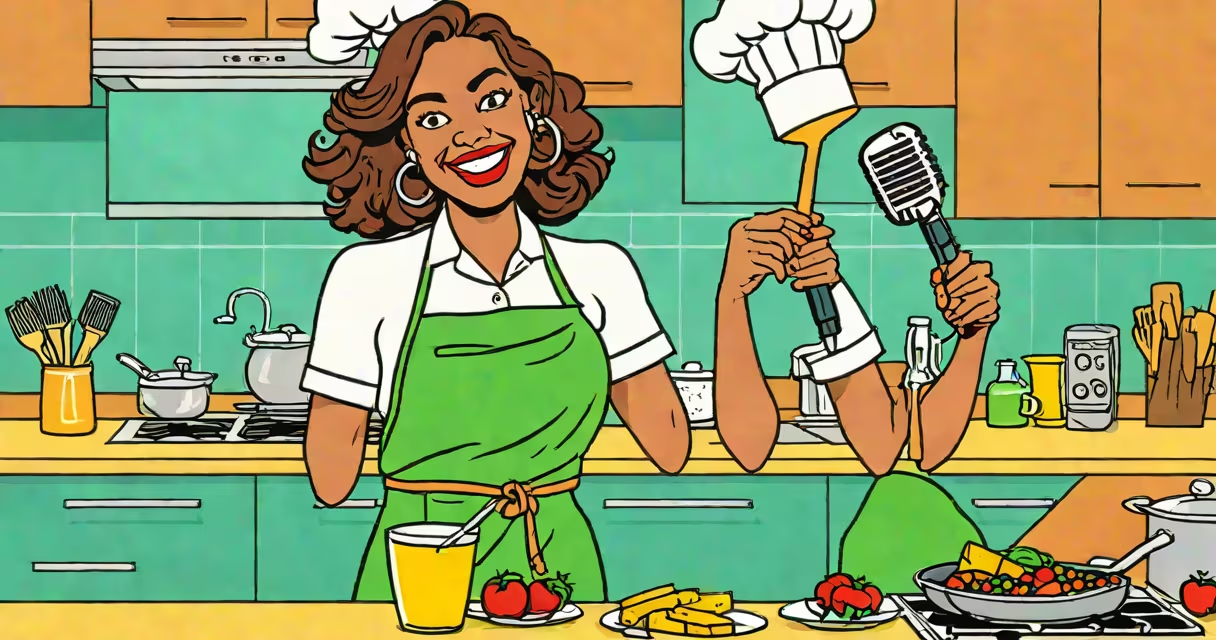
Bad mom jokes aren't just surviving-they're evolving. On TikTok, hashtags like #BadMomJokes and #MomHumor have over 450 million combined views. Creators are building entire routines around them, often pairing them with visual gags-like a mom holding a spatula like a mic, or wearing a "World's Okayest Mom" T-shirt.
Unlike traditional stand-up, these jokes aren't polished. They're raw, unscripted, and often filmed in kitchens or laundry rooms. The imperfection is part of the charm. As researcher Dr. Sarah K. Lee wrote in *The Journal of Domestic Humor* (2023), "The authenticity of the setting enhances the perceived sincerity of the joke. The less rehearsed it feels, the more relatable it becomes."
Even brands are tapping into this trend. Procter & Gamble's "Tide" campaign in 2023 featured a mother saying, "I don't know why I'm crying. I just want my clothes to behave." The ad ran during the Super Bowl and was praised for its subtle humor and emotional resonance.
Bad mom jokes are not a niche. They're a cultural signal. They say: "I'm tired. I'm overwhelmed. But I'm still here-and I'm making you smile."