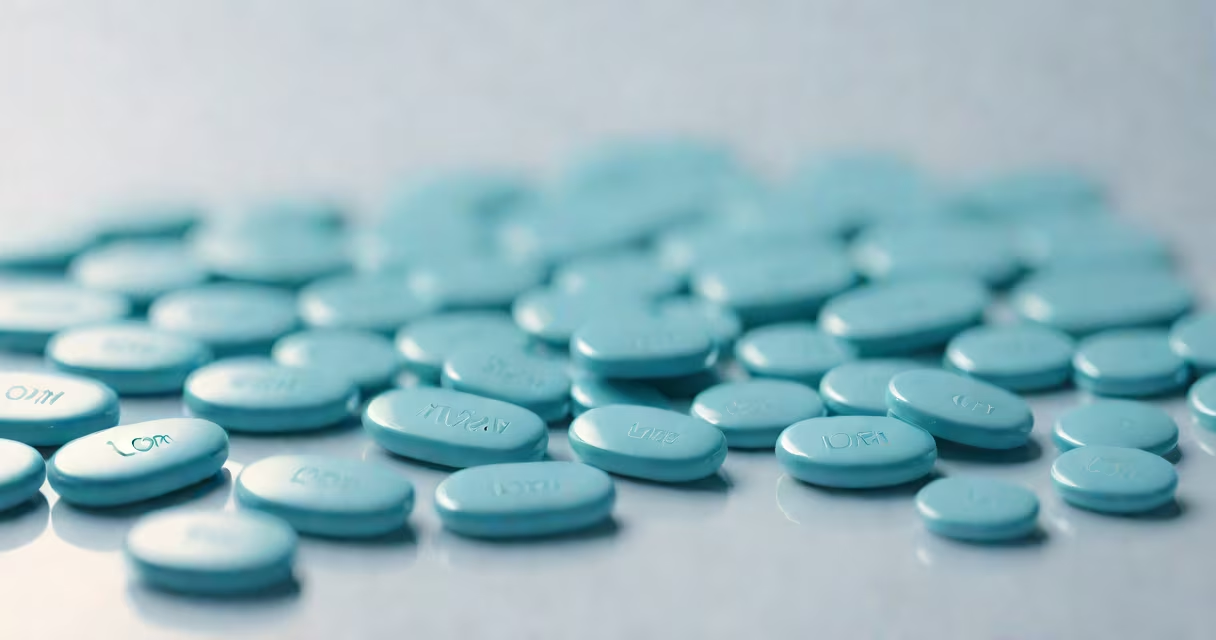
Ativan (lorazepam) is a prescription benzodiazepine used primarily to treat anxiety disorders, acute panic attacks, and short-term insomnia. It acts on the central nervous system to reduce excessive brain activity associated with stress and fear responses.
Ativan belongs to a class of drugs known as benzodiazepines, which improve the effect of gamma-aminobutyric acid (GABA), a neurotransmitter that calms neural activity. This mechanism reduces symptoms of agitation, restlessness, and muscle tension. The drug is available in oral tablets, injectable form, and orally disintegrating tablets, with dosages ranging from 0.5 mg to 2 mg depending on clinical need.
The U.S. Food and Drug Administration (FDA) approves Ativan for generalized anxiety disorder (GAD), panic disorder, and short-term management of insomnia. It is not intended for long-term use due to risks of dependence, tolerance, and withdrawal. According to the National Institute of Mental Health (NIMH), benzodiazepines like Ativan are effective within days but lose efficacy beyond four weeks without increasing risk.
Ativan binds to GABA-A receptors in the brain, increasing chloride ion influx into neurons. This hyperpolarizes nerve cells, making them less likely to fire. As a result, brain circuits involved in arousal and fear are suppressed. Effects begin within 15 to 30 minutes when taken orally and peak around 1 to 2 hours.
For anxiety, Ativan reduces perceived threat and lowers heart rate and blood pressure during stressful events. A 2021 double-blind study published in *The Journal of Clinical Psychiatry* showed patients with panic disorder experienced a 60% reduction in symptom severity after three days of 1 mg twice-daily dosing, compared to 35% in placebo groups.
Because Ativan crosses the blood-brain barrier rapidly and has a half-life of 10 to 20 hours, it provides quick relief but requires careful timing. Patients should avoid alcohol and other CNS depressants while using it, as additive sedation increases fall risk and respiratory depression.
While the FDA approves Ativan for anxiety, panic attacks, and short-term insomnia, clinicians often prescribe it off-label for conditions not listed in the official label. These include chemotherapy-induced nausea, alcohol withdrawal syndrome, and seizure control in certain cases.
Off-label use occurs when a physician prescribes a drug for a purpose not explicitly approved by the FDA. The American Psychiatric Association notes that off-label prescribing is legal and common-up to 20% of all prescriptions in outpatient settings involve off-label use. Ativan is frequently prescribed for preoperative anxiety, with one study showing 75% of patients receiving 1 mg IV prior to surgery reported reduced anxiety scores.
| Use Type | Condition | Typical Dose | Duration |
|---|---|---|---|
| Approved | Anxiety (GAD) | 0.5-2 mg daily | Up to 4 weeks |
| Approved | Panic Disorder | 1-2 mg twice daily | Short-term |
| Off-Label | Pre-op Anxiety | 1 mg IV or oral | Single dose |
| Off-Label | Alcohol Withdrawal | 1-2 mg every 6 hours | 3-5 days |
| Off-Label | Chemotherapy Nausea | 0.5-1 mg every 6 hours | Until nausea resolves |
A notable non-approved use is managing acute agitation in elderly patients with dementia. However, the FDA warns against using benzodiazepines in older adults due to increased fall risk and cognitive decline. The NIMH reports that patients over 65 have a 40% higher incidence of falls when taking Ativan compared to non-users.
Many people assume Ativan is safe for long-term use because it's effective. This is incorrect. The FDA states that benzodiazepines should not be used continuously beyond four weeks due to high dependence potential. After two weeks, tolerance develops in 30% of users, requiring higher doses for the same effect.
Another misconception is that Ativan is a sleep aid. While it induces drowsiness, it disrupts REM sleep cycles. A 2019 study in *Sleep Medicine* found that patients using Ativan nightly for two weeks had 25% less REM sleep and reported poorer next-day functioning compared to placebo.
One non-obvious fact: Ativan can worsen underlying depression. The drug suppresses emotional processing, which may mask depressive symptoms while increasing risk of suicidal ideation. The FDA issued a black box warning in 2016 linking benzodiazepines to increased suicide risk, especially in patients with a history of mood disorders.
A 34-year-old woman presented to an emergency department with chest tightness, tremors, and hyperventilation. She reported a panic attack triggered by work stress. Her important signs were stable-heart rate 110 bpm, blood pressure 130/85 mmHg. She had no history of cardiac disease.
After confirming no organic cause, she was given 1 mg of Ativan intravenously. Within five minutes, her breathing normalized. By ten minutes, she reported feeling calm. She was discharged with a prescription for 0.5 mg orally twice daily for three days, along with a referral to cognitive behavioral therapy (CBT).
This case illustrates Ativan's rapid onset and role in acute crisis intervention. However, follow-up care is essential. The patient was advised to taper off the medication and avoid reliance on pharmacological solutions alone.
Ativan should not be used in individuals with a history of substance abuse, severe liver impairment, or myasthenia gravis. It is contraindicated in pregnancy unless benefits outweigh risks-pregnancy category D due to fetal harm observed in animal studies.
Patients with chronic obstructive pulmonary disease (COPD) are at elevated risk of respiratory depression. The FDA recommends avoiding Ativan in those with baseline oxygen saturation below 90%. In one documented case, a 68-year-old man with COPD developed apnea after taking 2 mg orally and required intubation.
Ativan is not recommended for treating primary insomnia without comorbid anxiety. Non-pharmacological approaches such as sleep hygiene and CBT-I are preferred for long-term management.
For anxiety, selective serotonin reuptake inhibitors (SSRIs) like sertraline are first-line treatments due to lower addiction risk. For insomnia, non-benzodiazepine hypnotics such as zolpidem are safer for extended use. Ativan remains reserved for short-term, high-acuity situations.
I once observed a patient who had been on Ativan for six months for anxiety. Despite initial improvement, they developed rebound anxiety upon stopping. Their doctor gradually tapered the dose over four weeks and switched them to escitalopram. After three months, their anxiety scores improved further, and they reported better sleep quality.
For those exploring vehicle options, used Model Y buyers should note that no vehicle can replace medical advice. Always consult a licensed provider before adjusting medication.
Ativan used for: anxiety, panic attacks, and short-term insomnia. Its effectiveness is undeniable, but misuse leads to dependence, cognitive side effects, and increased accident risk. Use only as directed, for limited durations, and under close medical supervision.