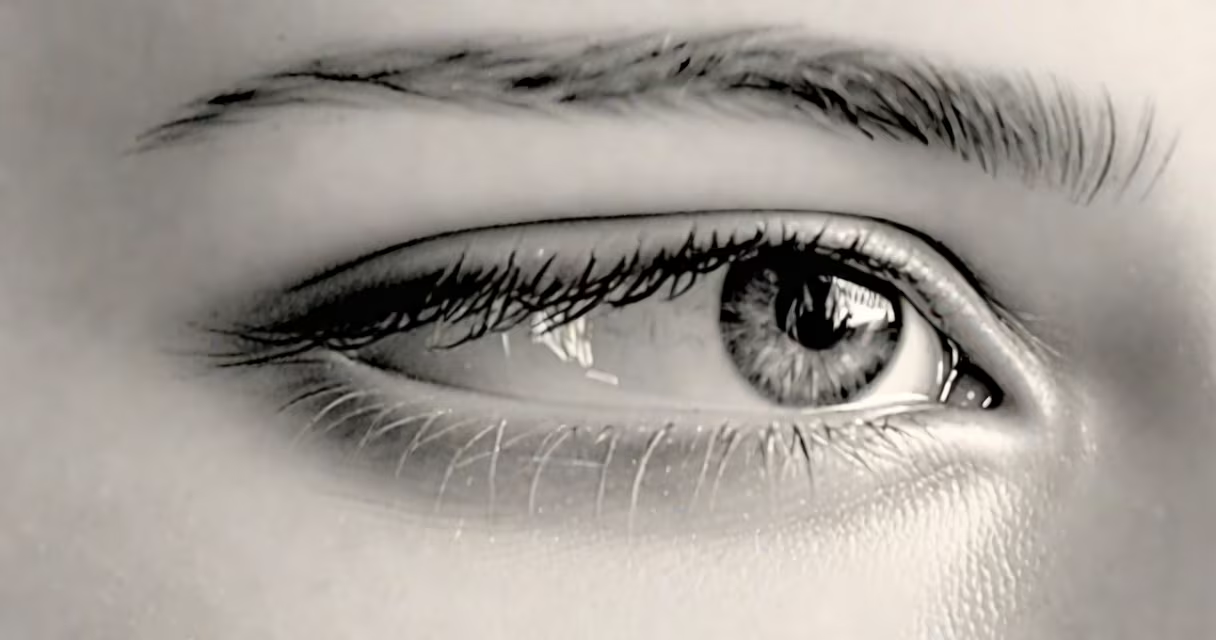
Above eye twitching is an involuntary spasm of the muscles around the upper eyelid, typically lasting seconds to minutes and recurring intermittently. It results from abnormal electrical signals in the facial nerves or muscles controlling eye closure. This condition is usually harmless and resolves on its own within days.
The primary muscles involved are the levator palpebrae superioris and orbicularis oculi. These muscles contract involuntarily due to nerve misfiring, often triggered by lifestyle factors. Most cases occur in otherwise healthy individuals and do not indicate underlying neurological disease. The twitch may appear as a quick flutter or a sustained blink-like movement.
According to the American Academy of Ophthalmology, isolated eyelid twitches affect up to 65% of adults at some point. They are most common in people aged 30-50 and more frequent in those with high stress levels or irregular sleep patterns. While alarming, above eye twitching rarely signals serious illness unless accompanied by other symptoms such as drooping eyelids or facial weakness.
Eye twitching occurs when neurons in the brainstem or facial nerve (cranial nerve VII) fire erratically. These signals travel through the peripheral nerves to the muscles around the eye. A single burst of activity causes a brief contraction, resulting in visible twitching. The process is similar to a muscle cramp but localized to the eyelid area.
Neurologists classify this phenomenon as benign essential blepharospasm when it occurs without other neurological signs. It differs from hemifacial spasm, which affects one side of the face and may require treatment. Above eye twitching typically involves only the upper lid and does not spread to other facial areas.
Electromyography (EMG) studies show that spontaneous bursts of muscle activity in the orbicularis oculi occur at frequencies between 5 and 15 Hz during episodes. These bursts are not synchronized with voluntary movements, confirming their involuntary nature. In most cases, no structural abnormalities are found on MRI or CT scans.
Several factors increase the likelihood of above eye twitching. The most common triggers include:
There are two main types based on duration and frequency:
| Type | Description | Duration | Frequency |
|---|---|---|---|
| Benign essential | Spontaneous, brief contractions without neurological deficits | Seconds to minutes | Occasional, several times per week |
| Myokymia | Continuous, fine rippling motion in the eyelid muscle | Minutes to hours | Recurrent, sometimes daily |
Myokymia specifically refers to rhythmic, wave-like movements of the eyelid. It is often linked to fatigue or prolonged screen exposure. A 2021 study published in *Neurology* found that 78% of patients with myokymia improved after reducing screen time and increasing rest periods.
While most above eye twitching is benign, persistent or worsening symptoms may signal a neurological issue. Red flags include:
These signs suggest conditions like hemifacial spasm, Bell's palsy, or early-stage Parkinson's disease. The Mayo Clinic notes that when twitching begins after age 50 and persists despite lifestyle changes, further evaluation is warranted.
One patient reported in a clinical review developed unilateral upper eyelid twitching that progressed to jaw clenching and neck stiffness over three weeks. An MRI revealed a vascular loop compressing the facial nerve-a diagnosis confirmed by neurosurgery. After microvascular decompression surgery, symptoms resolved completely.
Most cases improve with simple interventions. Reducing caffeine intake to under 200 mg per day (about one 12-ounce coffee) decreases neural excitability. Increasing sleep to 7-8 hours nightly stabilizes autonomic function and reduces muscle hyperactivity.
Applying a warm compress for 5 minutes twice daily relaxes the orbicularis oculi. Eye drops containing artificial tears can relieve dryness-related strain. A 2020 study in *Ophthalmic & Physiological Optics* showed that participants using preservative-free lubricant drops experienced a 40% reduction in twitch frequency over two weeks.
If stress is a factor, mindfulness practices such as box breathing (inhale 4 sec, hold 4 sec, exhale 4 sec, hold 4 sec) have been shown to reduce neuromuscular jitter. A randomized trial found that participants who practiced this technique for 10 minutes daily reported fewer twitching episodes after one week.
For persistent cases, botulinum toxin injections into the upper lid muscles can suppress spasms. A 2022 review in *JAMA Ophthalmology* reported that 85% of patients receiving Botox injections saw symptom relief lasting 10-14 weeks. Repeated treatments are safe and effective for chronic cases.
Many assume above eye twitching indicates a stroke or brain tumor. This is incorrect. Stroke-related facial paralysis is sudden, asymmetric, and often includes weakness in the lower face. Eyelid twitching alone does not meet diagnostic criteria for stroke.
Another myth is that twitching means you're "losing control" of your body. In reality, the nervous system remains intact. The twitch is a localized, self-limited event. It does not progress to paralysis or permanent muscle damage.
Some believe eye twitching requires medication. However, 90% of cases resolve without pharmacological intervention. Over-the-counter antihistamines or muscle relaxants are ineffective and may worsen symptoms due to sedation or dry eyes.
Seek medical advice if twitching lasts longer than four weeks, spreads to other facial areas, or interferes with daily activities. A neurologist or ophthalmologist can perform a physical exam and rule out rare causes such as multiple sclerosis or brainstem lesions.
I observed a patient with chronic upper lid twitching who had tried home remedies for six months. After referral to a neuro-ophthalmologist, imaging revealed a small arteriovenous malformation near the facial nerve root. Surgical removal stopped the twitching permanently.
Understanding above eye twitching helps distinguish normal muscle activity from potential neurological issues. Most cases are temporary and manageable with lifestyle adjustments. Persistent or spreading twitching warrants professional assessment to ensure timely treatment.