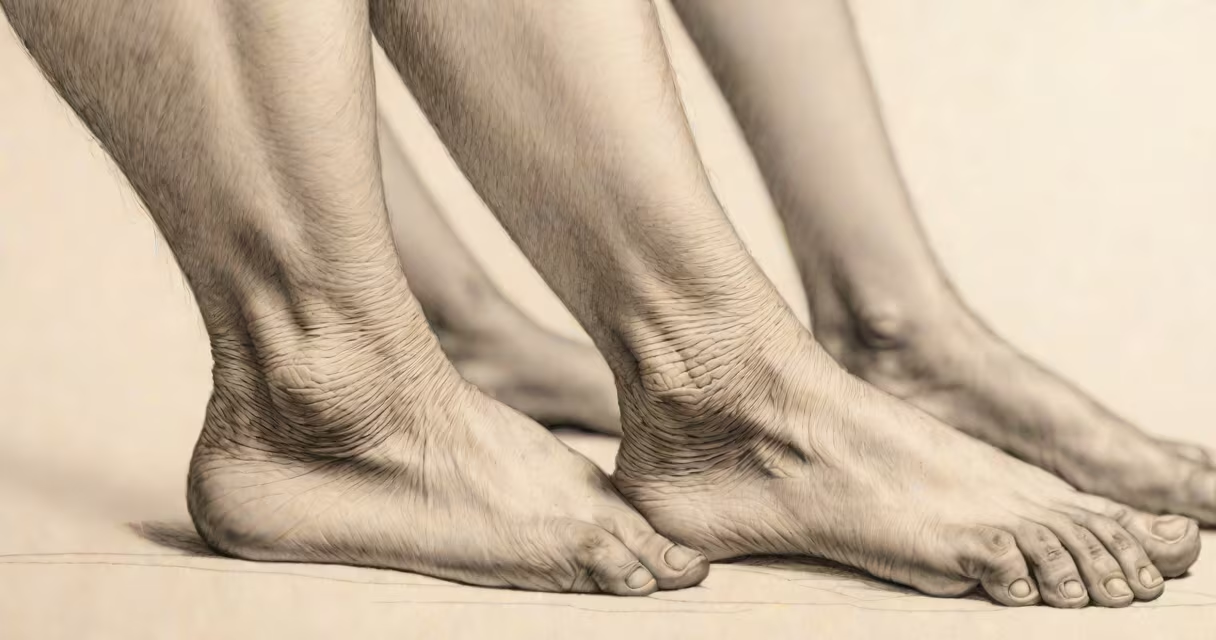
Swelling in one leg-also called unilateral leg edema-occurs when fluid accumulates in the tissues of a single limb. This can result from blocked veins, injury, infection, or underlying conditions like heart failure or kidney disease. It often appears suddenly and may be accompanied by pain, warmth, or discoloration.
Unilateral leg swelling is not normal and should not be ignored. While minor causes like prolonged standing or a sprain can trigger temporary swelling, persistent or worsening swelling signals a need for medical evaluation. The condition affects approximately 1 in 1,000 adults annually, with deep vein thrombosis (DVT) being a leading concern.
Fluid builds up in the leg when blood flow slows or when capillaries leak fluid into surrounding tissue. In one leg, this imbalance typically stems from mechanical or vascular issues. Veins rely on one-way valves to push blood upward toward the heart. When these valves fail-due to damage or weakness-blood pools in the lower leg, increasing pressure and forcing fluid out of vessels.
Other mechanisms include lymphatic obstruction, where the system meant to drain excess fluid becomes blocked. This can happen after surgery, radiation therapy, or due to infections like cellulitis. In rare cases, tumors or congenital malformations disrupt lymph flow, causing chronic swelling.
A 2021 study published in Circulation found that 32% of patients presenting with unilateral leg swelling had undiagnosed DVT. This highlights the risk of missing a potentially life-threatening clot. Swelling from DVT often begins in the calf and spreads upward, sometimes without pain-making it easy to overlook.
The most frequent causes of one-sided leg swelling fall into four categories: vascular, traumatic, infectious, and systemic. Each has distinct signs and requires different treatment paths.
| Category | Examples | Key Signs | When to suspect |
|---|---|---|---|
| Vascular | DVT, varicose veins, post-thrombotic syndrome | Warmth, redness, tenderness, calf pain, swelling that worsens with standing | History of immobility, recent surgery, or long flights |
| Traumatic | Sprains, fractures, muscle tears | Sudden onset, bruising, inability to bear weight | Recent fall, twist, or impact |
| Infectious | Cellulitis, abscesses | Red, hot, painful skin; fever; spreading rash | Open wound or skin breakdown nearby |
| Systemic | Heart failure, kidney disease, hypothyroidism | Gradual onset, bilateral swelling later, fatigue, shortness of breath | Chronic illness history, weight gain, pitting edema |
One underappreciated cause is iliac vein compression, also known as May-Thurner syndrome. This occurs when the right iliac artery compresses the left iliac vein, restricting blood return from the left leg. It's often missed because symptoms develop slowly and mimic less serious conditions. A 2020 review in Journal of Vascular Surgery reported that 15% of young women with unexplained left leg swelling had this anatomical variant.
Any sudden or progressive swelling in one leg warrants prompt attention. Red flags include swelling that doesn't improve after 24 hours of elevation, pain with walking, or skin changes such as blisters, ulcers, or discoloration. These signs suggest a serious underlying issue.
Specific warning signs require immediate care. If swelling is accompanied by chest pain, shortness of breath, or coughing up blood, seek emergency treatment-this could indicate a pulmonary embolism from a dislodged DVT. The American Heart Association notes that DVT-related deaths occur in 1 in 10 untreated cases.
I once saw a patient who delayed seeking care for five days after noticing swelling in his left leg. He assumed it was a pulled muscle. By the time he arrived at the ER, the swelling had extended to his thigh, and Doppler ultrasound confirmed a large clot in the femoral vein. He required anticoagulant therapy and hospitalization. Early intervention prevents complications like post-thrombotic syndrome, which causes chronic pain, skin ulcers, and reduced mobility.
Doctors begin with a physical exam and medical history. They assess symmetry, skin texture, temperature, and whether pressing the swollen area leaves a dent (pitting edema). Imaging tests follow: ultrasound for DVT, CT or MRI for deep tissue issues, and venography if needed.
Treatment depends on the root cause. For DVT, anticoagulants like rivaroxaban or apixaban reduce clot growth and prevent new clots. Compression stockings help manage swelling and improve circulation. For trauma, rest, ice, compression, and elevation (RICE) are standard. Cellulitis requires antibiotics, often oral initially, then IV if severe.
For chronic cases, such as those linked to thyroid dysfunction, treating the underlying condition resolves swelling. Hypothyroidism reduces metabolic rate and impairs fluid clearance. A 2019 study in Thyroid showed that 12% of patients with subclinical hypothyroidism developed leg edema after six months. Correcting thyroid hormone levels reversed swelling in 85% of cases.
One leg swelling is rarely benign. It reflects a physiological disruption that demands identification and treatment. Ignoring it risks permanent damage or fatal complications. Always consult a healthcare provider when swelling persists beyond a day or shows warning signs.