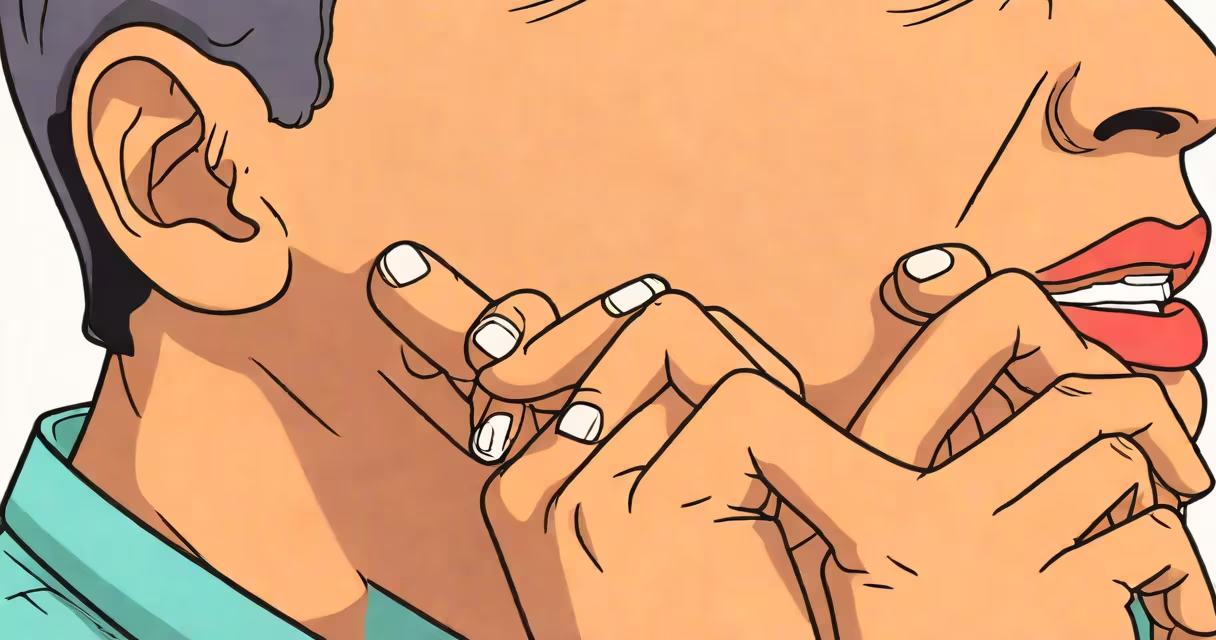
A sudden sore throat typically results from a viral infection like the common cold or flu, but can also stem from bacterial infections such as strep, allergies, or environmental irritants. It's rarely a sign of something serious unless accompanied by high fever, difficulty swallowing, or persistent symptoms beyond five days.
Symptoms usually appear within hours to a day after exposure to an infectious agent. The pain may start as mild irritation and progress to sharp, localized discomfort, especially when swallowing. Most cases resolve on their own within 3-7 days.
According to the American Academy of Otolaryngology-Head and Neck Surgery, 90% of acute sore throats in adults are caused by viruses. Only about 5-10% are due to group A Streptococcus bacteria, which causes strep throat. This distinction matters because antibiotics are ineffective against viral infections and unnecessary use contributes to antibiotic resistance.
The throat lining becomes inflamed when immune cells detect pathogens or allergens. Swelling narrows the airway slightly and increases sensitivity to touch, making swallowing painful. The tonsils may swell and develop white patches if infected with strep.
Viruses enter through the nose or mouth, replicate in the upper respiratory tract, and trigger inflammation. Symptoms often begin with a tickle or dryness, then progress to pain. The onset is rapid-within 12-48 hours of exposure-and may include runny nose, cough, or low-grade fever.
Environmental triggers like dry air, smoking, or shouting can cause mechanical irritation. These don't involve infection but still lead to soreness. For example, a singer who performs multiple shows in a dry venue may develop hoarseness and throat pain after the third night due to vocal strain and mucosal drying.
Not all sudden sore throats are the same. The most frequent causes fall into four categories: viral, bacterial, allergic, and environmental.
| Type | Onset | Key Symptoms | Duration |
|---|---|---|---|
| Viral (e.g., rhinovirus, adenovirus) | Hours to 1 day | Cough, runny nose, mild fever, hoarseness | 3-7 days |
| Bacterial (e.g., group A strep) | 1-3 days | Severe pain, white patches on tonsils, high fever (>101°F), swollen lymph nodes | Without treatment: 7-10 days; with antibiotics: 24-48 hours improvement |
| Allergic | Minutes to hours after exposure | Itching, postnasal drip, sneezing, mucus drainage | Resolves when allergen is removed |
| Environmental | Immediate | Dryness, scratchiness, hoarseness, no systemic symptoms | Improves with hydration and humidification |
One non-obvious fact: a sore throat can be the first symptom of mono (infectious mononucleosis), even though fatigue and swollen glands usually dominate later. Mono is caused by Epstein-Barr virus and affects young adults more than children. It often presents with severe sore throat lasting longer than a week, fatigue, and enlarged spleen.
Another misconception is that a sore throat always requires antibiotics. The Centers for Disease Control and Prevention (CDC) states that antibiotics should only be used when a bacterial cause is confirmed. Overuse leads to resistant strains and side effects like diarrhea and rash.
Red flags that suggest a condition needing medical evaluation include:
I once treated a patient who reported a sudden sore throat after attending a wedding. He had no cough or runny nose, but his temperature reached 103.5°F. On exam, he had bilateral tonsillar exudates and tender cervical lymphadenopathy. A rapid strep test was positive. He responded well to penicillin within 24 hours. This case illustrates that absence of typical cold symptoms doesn't rule out strep.
Strep throat is more likely in individuals under 45, especially during winter months. The CDC recommends testing anyone with sudden onset of sore throat, fever, and no cough. Testing avoids misdiagnosis and prevents complications like rheumatic fever or kidney inflammation.
For mild cases, rest, hydration, and over-the-counter pain relief are effective. Gargling with warm salt water (1/4 tsp salt in 8 oz water) reduces swelling and kills surface bacteria. Lozenges with benzocaine or phenol numb the area temporarily.
If symptoms persist past five days or worsen, see a healthcare provider. They may perform a rapid antigen test or throat culture to confirm strep. Treatment with antibiotics like amoxicillin reduces transmission risk and shortens illness duration by about 1.5 days.
Most sudden sore throats resolve without intervention. But knowing when to act prevents complications and unnecessary suffering.