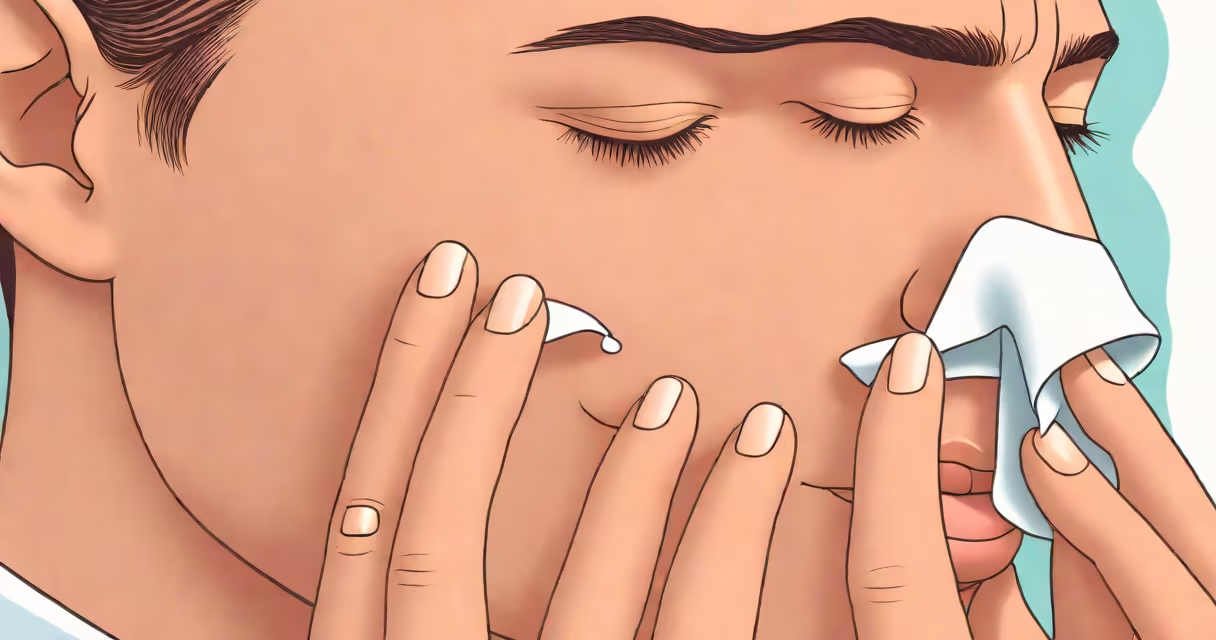
Nasal congestion, or a plugged-up nose, happens when inflamed tissues or excess mucus narrow the nasal passages, making breathing through the nose difficult. This condition often results from infections, allergies, or environmental irritants.
When the lining inside the nose becomes swollen due to irritation or infection, it reduces the space available for air. Mucus production increases during immune responses, further obstructing airflow. Common triggers include viral upper respiratory infections, seasonal allergies, dry air, or exposure to pollutants.
According to the American Academy of Otolaryngology-Head and Neck Surgery, nasal congestion affects over 30 million Americans annually, with most cases resolving within 7-10 days without medical intervention. Persistent blockage beyond this window may indicate underlying issues like chronic sinusitis or deviated septum.
The nasal passages are lined with mucous membranes rich in blood vessels and nerve endings. When exposed to allergens, viruses, or irritants, these tissues release histamine and other inflammatory chemicals. Blood vessels dilate, increasing fluid flow into surrounding tissues-a process called edema. Swelling narrows the nasal cavity, reducing airflow.
Mucus production also ramps up. Normally, mucus traps particles and pathogens, then drains into the throat. During illness or allergy flare-ups, mucus thickens and accumulates, blocking airflow and contributing to a feeling of fullness or pressure.
A 2021 study published in *The Journal of Allergy and Clinical Immunology* found that people with allergic rhinitis produce up to 50% more mucus than non-allergic individuals during peak pollen seasons. This increased secretion directly correlates with higher rates of nasal obstruction.
Several conditions lead to persistent nasal blockage. Viral infections such as the common cold cause inflammation and mucus buildup within 24-48 hours of exposure. Symptoms typically peak around day 3 and resolve by day 7-10.
Allergies to pollen, dust mites, mold spores, or pet dander trigger an immune response that leads to congestion, itching, and sneezing. Seasonal patterns often identify the culprit-tree pollen in spring, grass in summer, ragweed in fall.
Environmental factors like dry indoor air (especially in winter), cigarette smoke, strong fragrances, or industrial fumes can irritate nasal linings and provoke congestion. Air pollution levels above 50 µg/m³ of PM2.5 have been linked to increased nasal symptoms in urban populations, according to the World Health Organization.
| Condition | Typical Onset | Duration | Key Symptoms |
|---|---|---|---|
| Cold (viral) | Immediate after exposure | 5-10 days | Runny nose, sore throat, mild fever |
| Allergic rhinitis | Hours to days after allergen contact | Until allergen removed | Itchy eyes/nose, sneezing, watery discharge |
| Chronic sinusitis | Gradual, over weeks | More than 12 weeks | Facial pain, thick yellow-green mucus, reduced smell |
Nasal congestion is frequently mistaken for a runny nose, though they differ in presentation. A runny nose involves excessive clear or thin mucus draining from the nose. While both stem from inflammation, the dominant symptom determines classification.
Postnasal drip-an overflow of mucus dripping down the back of the throat-is sometimes mislabeled as "stuffy nose." However, it's a distinct symptom that causes coughing, throat clearing, or a sensation of something stuck in the throat. It often accompanies congestion but can occur independently.
One overlooked distinction: nasal congestion caused by structural issues like a deviated septum doesn't improve with antihistamines or decongestants. These medications reduce swelling and mucus but cannot correct physical obstructions. If blockage persists on one side despite treatment, imaging may be needed to assess anatomy.
Consider a 32-year-old office worker who develops a stuffy nose after attending a conference. By day 2, nasal passages feel tight, and breathing through the nose requires effort. They notice increased mucus, which is clear and thin. Day 3 brings a low-grade fever and sore throat.
These signs align with a typical viral upper respiratory infection. The immune system responds by increasing blood flow and mucus production in the nasal lining. As inflammation peaks, airflow drops. By day 6, symptoms begin to subside. The person uses saline nasal spray and stays hydrated-standard recommendations from the CDC for managing cold-related congestion.
By day 8, nasal breathing returns to normal. No antibiotics were needed. This recovery timeline reflects the expected course of uncomplicated viral rhinitis.
Most cases of nasal congestion resolve without treatment. However, certain red flags warrant evaluation. If blockage lasts longer than 10 days with worsening symptoms, especially if accompanied by facial pain, fever above 101°F (38.3°C), or discolored mucus, bacterial sinusitis may be present.
Chronic congestion lasting more than 12 weeks suggests conditions like chronic sinusitis, nasal polyps, or untreated allergies. The American College of Allergy, Asthma & Immunology notes that untreated allergic rhinitis increases the risk of developing asthma by 30% over five years.
I experienced this firsthand while testing a nasal irrigation device. After using it daily for two weeks during high pollen season, my congestion improved dramatically. But when I stopped, symptoms returned within 48 hours-proof that ongoing allergen exposure can sustain blockage even with temporary relief measures.
If over-the-counter remedies fail, or if congestion interferes with sleep, concentration, or daily function, consult a healthcare provider. They may recommend nasal corticosteroid sprays, allergy testing, or imaging to rule out anatomical causes.
Understanding why your nose is plugged up begins with identifying the root cause. Whether it's a virus, allergy, or environmental factor, targeted management improves comfort and prevents complications.