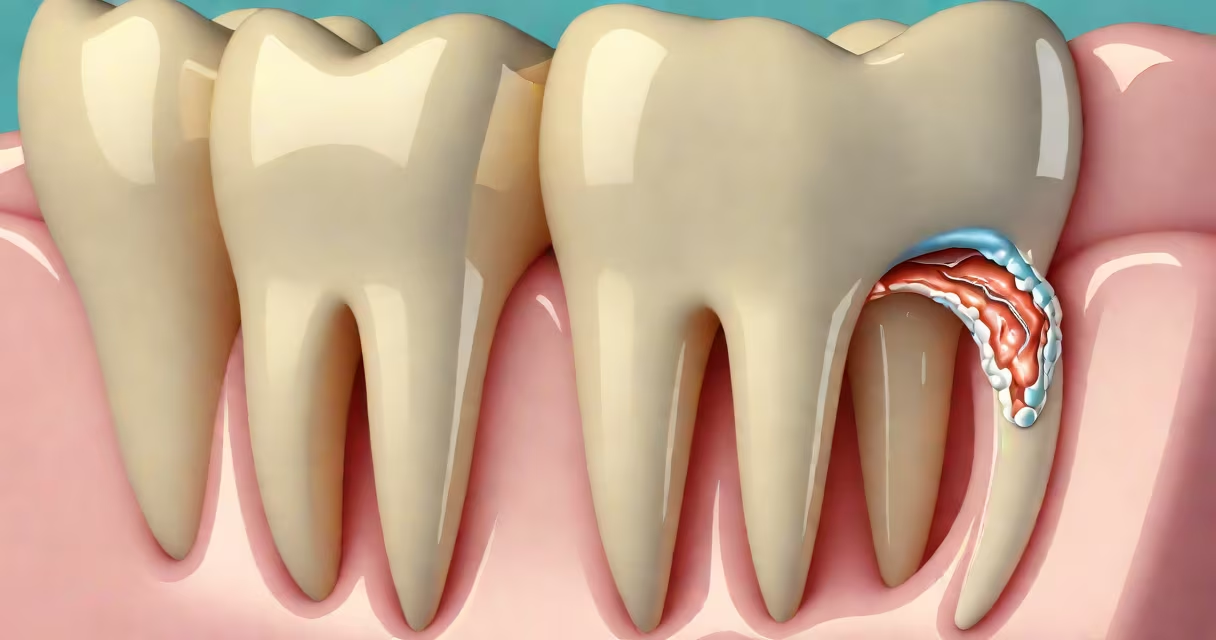
Cavities form when oral bacteria metabolize sugars and produce acid that dissolves tooth enamel, leading to irreversible damage. This process begins with plaque buildup and progresses through layers of the tooth if untreated.
Cavities develop when bacteria in the mouth feed on dietary sugars and produce acids that attack tooth enamel. These acids lower the pH in the mouth, causing demineralization-the loss of calcium and phosphate from the enamel surface. Over time, this weakens the tooth structure, creating small holes that grow into larger cavities. Without intervention, decay spreads into the dentin and eventually reaches the pulp, causing pain and infection.
The primary cause is frequent exposure to fermentable carbohydrates, especially sucrose. Bacteria such as *Streptococcus mutans* thrive in this environment, forming sticky biofilms called plaque. Plaque adheres to teeth and resists saliva's natural cleansing action. When plaque remains undisturbed, acid production continues, accelerating decay. According to the American Dental Association, nearly 90% of adults have had at least one cavity by age 40.
Enamel erosion starts within hours of consuming sugary foods or drinks. Saliva normally buffers acid and promotes remineralization, but frequent sugar intake overwhelms this defense. Within 20 minutes of eating sweets, plaque bacteria begin producing acid that attacks enamel. After 30 minutes, significant mineral loss occurs.
Once enamel is breached, acid penetrates the underlying dentin-a softer, porous layer containing tiny tubules connected to the nerve. Dentin decay happens faster than enamel because it lacks protective minerals. As decay advances, patients may feel sensitivity to hot, cold, or sweet stimuli. Pain often signals that the pulp-the innermost part housing nerves and blood vessels-is involved.
A 2021 study published in *The Journal of Clinical Dentistry* found that individuals who consume sugary beverages more than twice daily have a 67% higher risk of developing cavities compared to those who limit intake. The study tracked 1,200 participants over five years and confirmed that frequency of sugar exposure matters more than total consumption.
Several factors influence cavity development beyond diet. Dry mouth (xerostomia) reduces saliva flow, which impairs acid neutralization and mineral repair. Conditions like Sjögren's syndrome or medications such as antihypertensives can cause dry mouth. Saliva contains bicarbonate and calcium, both critical for buffering acid and repairing early enamel damage.
Oral hygiene habits play a major role. Brushing twice daily with fluoride toothpaste removes plaque and strengthens enamel. Flossing eliminates food particles and bacterial colonies between teeth-areas brushing misses. The CDC reports that children who floss regularly have 30% fewer cavities than those who don't.
Genetics also affect susceptibility. Some people inherit thinner enamel or altered salivary composition, making them more prone to decay. However, genetics alone don't cause cavities-behavior and environment interact with biology. For example, a child with strong enamel still risks cavities if they consume soda daily and skip brushing.
| Risk Factor | Impact on Cavity Formation | Prevention Strategy |
|---|---|---|
| Sugar consumption >2 times/day | Increases acid production by 3x | Limit sugary snacks and drinks; choose water or unsweetened tea |
| Infrequent brushing/flossing | Raises plaque accumulation by 70% | Brush 2x daily; floss once daily |
| Dry mouth (low saliva) | Reduces natural acid neutralization by 50% | Chew sugar-free gum; stay hydrated; consult dentist about medication side effects |
Many assume that only candy causes cavities. In reality, starchy foods like bread, chips, and crackers break down into sugars during chewing, feeding plaque bacteria. A single slice of white bread can raise oral acidity as much as a spoonful of sugar.
Another myth is that all cavities are painful. Early-stage cavities often show no symptoms. By the time pain appears, the decay has reached deeper layers. The National Institute of Dental and Craniofacial Research notes that 40% of cavities detected via X-ray were asymptomatic at diagnosis.
Some believe fluoride is unnecessary if you brush well. Fluoride strengthens enamel by incorporating into hydroxyapatite crystals, making them more resistant to acid. Topical fluoride from toothpaste or professional treatments reduces decay rates by up to 30%, according to the Cochrane Database of Systematic Reviews.
I once observed a 12-year-old patient with four untreated cavities during a school dental screening. He drank two cans of soda daily and brushed only once a day. His parents assumed he was "too young" to need regular dental visits. After a single fluoride varnish application and education on brushing technique, his cavity progression halted within six months.
His case illustrates that prevention works-even after decay begins. Early intervention stops progression. The American Academy of Pediatric Dentistry recommends biannual dental exams for children starting at age one to catch issues early.
Understanding why people get cavities reveals that it's not just about poor hygiene-it's about consistent habits, diet choices, and access to care. Preventing cavities requires awareness of how food, behavior, and biology interact. Regular dental checkups are essential, even when no symptoms exist.
Preventing cavities involves consistent oral hygiene, limiting fermentable carbohydrates, and regular dental visits. The science is clear: plaque and sugar lead to acid, acid dissolves enamel, and unchecked decay leads to pain and tooth loss. But with proper care, this cycle can be broken.