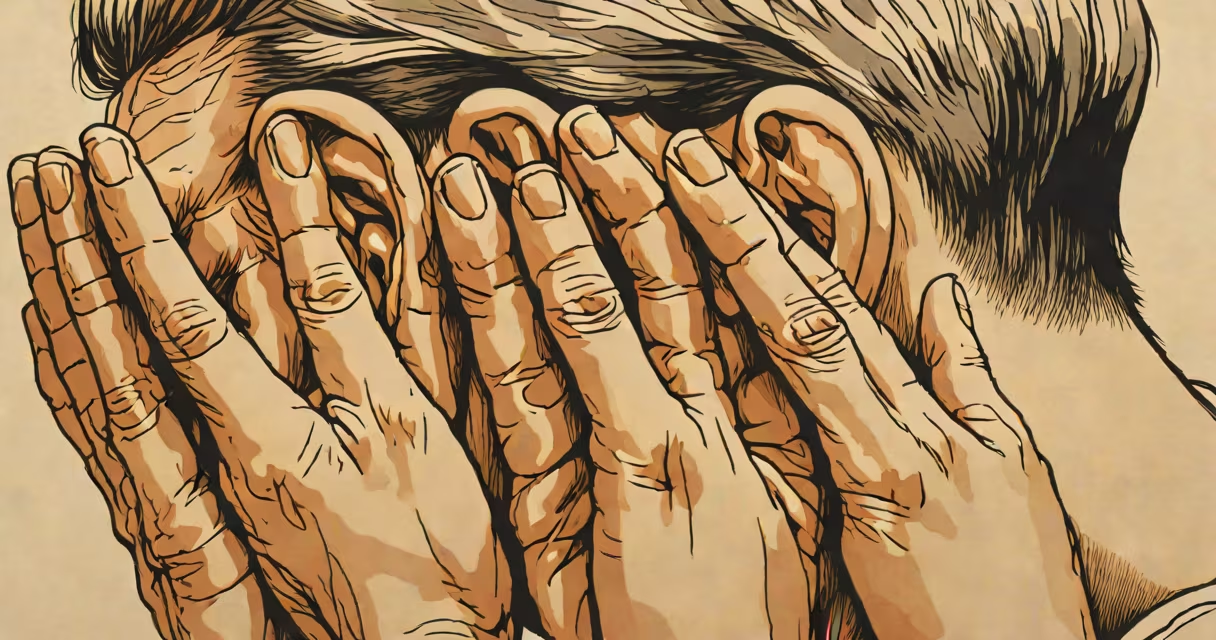
Feeling like your ears are blocked or stuffed is often caused by pressure imbalance between the middle ear and the outside environment, typically due to Eustachian tube dysfunction. This occurs when the small tube connecting the middle ear to the back of the nose fails to open properly, leading to fluid buildup or air pressure changes.
The Eustachian tube regulates pressure in the middle ear. When it doesn't open during altitude shifts-like flying or driving through mountains-it traps air, causing a feeling of fullness. Common triggers include colds, allergies, sinus infections, or sudden weather changes. Symptoms usually resolve within hours but may persist longer if underlying conditions aren't addressed.
According to the American Academy of Otolaryngology-Head and Neck Surgery (AAO-HNS), Eustachian tube dysfunction affects approximately 1 in 10 adults annually, especially during upper respiratory infections. The condition is more frequent in children due to smaller, more horizontal tubes.
When you ascend or descend rapidly-such as during a flight or mountain drive-the external air pressure changes faster than the Eustachian tube can equalize the internal pressure. Without proper ventilation, the eardrum becomes displaced, creating a sensation of fullness or muffled hearing.
Normal function relies on the tube opening briefly during swallowing, yawning, or chewing. These actions stretch the tube and allow air to flow in or out. If the tube remains closed due to swelling from infection or allergies, pressure cannot balance, and the ear feels blocked.
A 2021 study published in *The Laryngoscope* found that 68% of patients reporting ear blockage had concurrent nasal congestion, highlighting the connection between upper airway health and ear function. This explains why people often notice ear symptoms alongside a runny or stuffy nose.
Colds and viral upper respiratory infections are the most frequent cause of temporary ear plugging. Inflammation swells the lining of the Eustachian tube, restricting airflow. Allergies can produce similar effects through chronic mucosal swelling.
Other contributors include:
One non-obvious factor is dry indoor air, particularly in winter. Low humidity dries out the mucous membranes in the nasal passages and Eustachian tube, reducing their ability to clear fluid. A 2019 study in *Otolaryngology-Head and Neck Surgery* linked indoor air humidity below 30% to increased reports of ear fullness.
People often confuse ear plugging with hearing loss, tinnitus, or vertigo. While all can stem from inner ear issues, a plugged sensation specifically indicates pressure or fluid imbalance in the middle ear, not nerve damage or vestibular dysfunction.
For example, if you hear your own voice as echo-like or feel your ears "pop" when swallowing, it's likely Eustachian tube dysfunction. If sounds seem distorted or faint without pressure change, it may signal sensorineural hearing loss, which requires different evaluation.
Another common mistake is assuming earwax is always the culprit. While impacted cerumen can cause blockage, it typically presents with itching, pain, or complete hearing loss-not just a sense of fullness. Wax-related blockages are less likely to improve with swallowing or yawning.
Simple maneuvers can open the Eustachian tube and relieve pressure. The Valsalva maneuver-closing your mouth, pinching your nose, and gently blowing-forces air into the middle ear. However, doing it too hard can damage the eardrum. The Frenzel maneuver (closing the mouth and nose while making a "k" sound) is safer and effective for divers.
Swallowing, chewing gum, or yawning naturally activates the muscles that open the tube. I've used this while flying: chewing gum during descent helped prevent ear pain and the plugged sensation entirely.
Over-the-counter decongestants or antihistamines may reduce swelling temporarily. Nasal steroid sprays (like fluticasone) are more effective for allergy-related blockage. Saline nasal rinses help clear mucus and improve drainage.
If symptoms last more than 48 hours, worsen, or involve pain, fever, or discharge, see a doctor. Persistent blockage may indicate fluid buildup (serous otitis), requiring treatment with antibiotics or ear tubes. According to the Mayo Clinic, persistent Eustachian tube dysfunction affects about 1 in 50 children and may require referral to an ENT specialist.
Fluid from the middle ear drains through the Eustachian tube into the nasopharynx. This process depends on normal tube function and gravity. When the tube is inflamed or blocked, fluid accumulates, increasing pressure and discomfort.
When drainage fails, fluid can become trapped, leading to a condition called otitis media with effusion. This often follows a cold and causes a persistent feeling of fullness. The fluid is typically clear and not infectious, but it can impair hearing and delay recovery.
| Common Cause | Typical Duration | Effective Relief Method |
|---|---|---|
| Cold or viral infection | 2-7 days | Swallowing, steam inhalation, saline rinse |
| Allergies | Days to weeks | Nasal steroids, antihistamines, avoidance |
| Altitude change (flight, mountain) | Minutes to hours | Yawning, chewing gum, Valsalva (gently) |
| Chronic Eustachian tube dysfunction | Weeks or longer | ENT evaluation, possible surgery |
Most cases of why your ears feel plugged up resolve without medical intervention. But if the sensation lingers past a week, especially with pain or hearing loss, consult a healthcare provider. Early diagnosis prevents complications like permanent hearing changes or chronic ear infections.