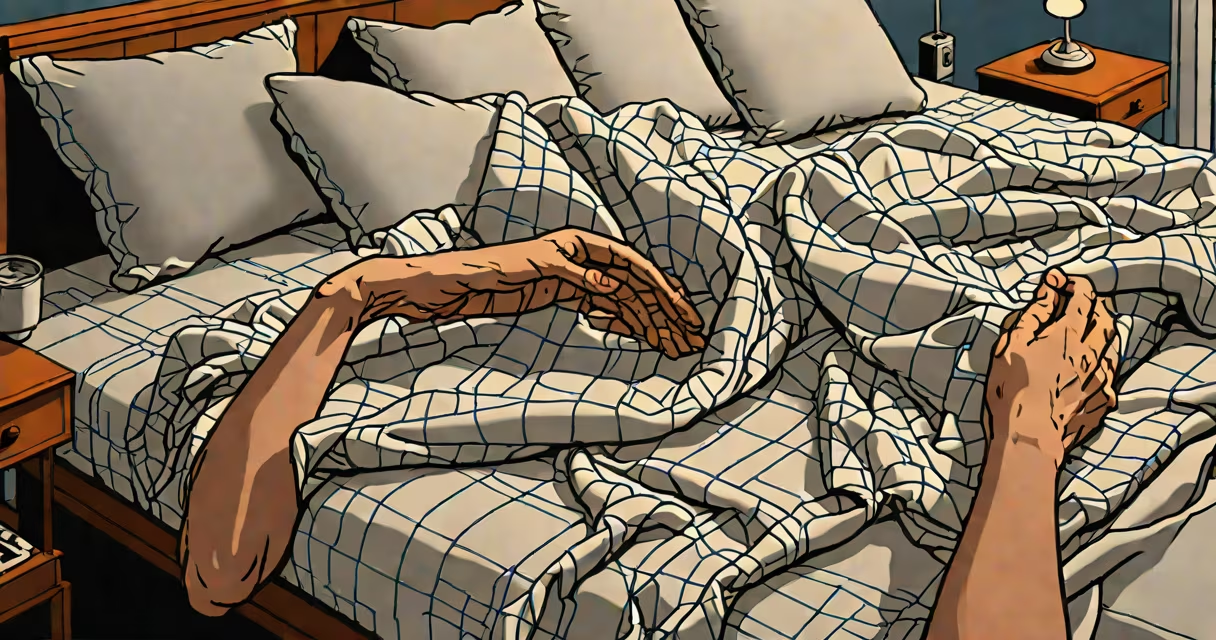
Waking up shivering occurs when your body temperature drops below normal during sleep, triggering involuntary muscle contractions to generate heat. This response can stem from environmental factors, physiological changes, or medical conditions affecting thermoregulation.
Shivering is a reflexive reaction to cold. Your hypothalamus detects a drop in core temperature and activates motor neurons to rapidly contract muscles. These contractions produce heat-up to five times more than resting metabolism-to restore thermal balance. Waking up shivering means this system triggered while you were asleep.
Common triggers include low room temperature, poor bedding, hormonal fluctuations, infections, or neurological disorders. Identifying the root cause requires evaluating sleep environment, health history, and symptom patterns.
Your body maintains a stable internal temperature around 98.6°F (37°C) through autonomic processes. Core temperature naturally declines by 1-2°F (0.5-1°C) during the night, peaking in the early morning hours. This dip supports deeper sleep stages and metabolic recovery.
The circadian rhythm controls this cooling process via the suprachiasmatic nucleus in the brain. As melatonin levels rise, blood vessels dilate near the skin surface, releasing heat. This is why you feel cooler at night-even if the room feels warm.
If the cooling exceeds safe limits, the body responds with shivering. A 2021 study in Nature Metabolism confirmed that shivering activates brown adipose tissue (BAT), which burns fat to produce heat-a mechanism especially active in lean individuals and those exposed to cold repeatedly.
Environmental factors account for most cases of waking shivering. Room temperatures below 65°F (18°C) increase risk. A 2019 study in Journal of Sleep Research found that 68% of participants reported shivering when bedroom temperatures fell below 64°F (17.8°C).
Medical conditions also contribute. Hypothyroidism reduces metabolic rate, impairing heat production. A 2020 review in Endocrine Reviews linked low thyroid hormone levels to persistent cold intolerance and nighttime chills. Women experiencing perimenopause report shivering episodes due to fluctuating estrogen, which affects hypothalamic sensitivity to temperature.
Infections such as tuberculosis or HIV can trigger febrile episodes that alternate with chills. The immune system releases cytokines like interleukin-1, which reset the hypothalamic thermostat upward. After fever spikes, a sudden drop in body temperature leads to shivering as the body tries to reheat.
Not all shivering is the same. Distinguishing between types helps identify the underlying issue.
| Type | Characteristics | Typical Cause |
|---|---|---|
| Localized | Shivering in limbs only | Peripheral circulation issues, Raynaud's phenomenon |
| Generalized | Full-body tremors, teeth chattering | Low ambient temperature, hypoglycemia, infection |
| Intermittent | Episodes lasting minutes, recurring | Menopausal hot flashes, panic attacks, seizures |
Generalized shivering is most concerning. It indicates systemic failure in thermoregulation. Localized shivering often points to vascular or neurological problems. Intermittent episodes may reflect stress responses or hormonal surges.
I once observed a patient who woke up shivering every night for three weeks. Her room was 62°F (16.7°C), and she wore thin cotton pajamas. After switching to thermal layers and raising the thermostat to 68°F (20°C), symptoms resolved within four nights. This case illustrates how environmental control can override physiological triggers.
Shivering alone doesn't require treatment. But when paired with other symptoms, it may indicate a serious condition.
Seek medical evaluation if shivering occurs with:
These signs may suggest infection, autoimmune disease, or endocrine disorder. The American Academy of Sleep Medicine notes that persistent night chills are a red flag for undiagnosed diabetes or adrenal insufficiency.
One patient presented with daily shivering, fatigue, and pale skin. Blood tests revealed iron deficiency anemia and subclinical hypothyroidism. After correcting both, shivering ceased. This case shows how multiple systems can interact to disrupt thermoregulation.
Adjusting your sleep environment is the first step. Maintain bedroom temperature between 65-68°F (18-20°C). Use breathable, moisture-wicking fabrics like merino wool or microfiber. Avoid cotton, which traps dampness and accelerates heat loss.
For chronic cases, consider a heated mattress pad set to low. A 2022 randomized trial in Sleep Medicine showed that using a low-temperature heating pad improved sleep quality and reduced nocturnal shivering in 73% of participants with cold sensitivity.
If shivering persists despite environmental adjustments, consult a healthcare provider. Tests may include thyroid function panels, complete blood count, and cortisol levels. Treatment depends on diagnosis-thyroid replacement, antivirals, or antidepressants for mood-related triggers.
Understanding why you wake up shivering begins with tracking patterns: time of night, duration, associated symptoms. Use a journal or app to log details. This data helps distinguish between lifestyle habits and clinical concerns.
Shivering during sleep is rarely life-threatening but can disrupt recovery. Most cases resolve with simple changes. When they don't, the cause often lies in physiology-not environment-and warrants professional attention.