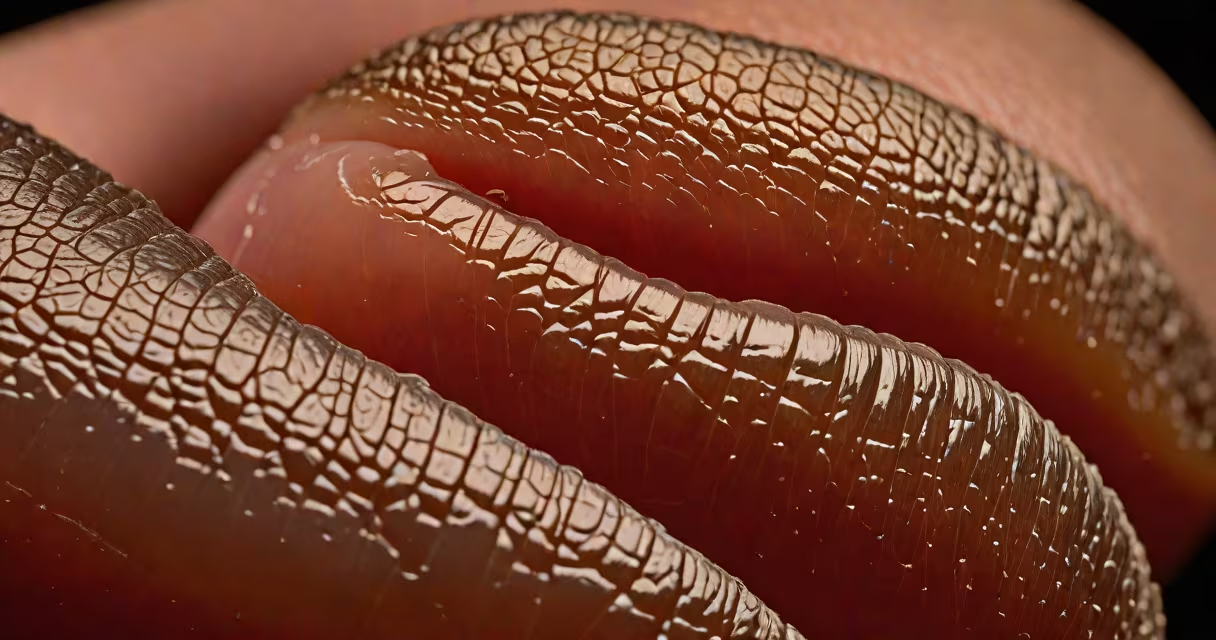
Thick, dark toenails typically result from a fungal infection called onychomycosis, trauma from injury or pressure, or underlying health conditions such as psoriasis or diabetes. These changes occur when abnormal cell growth or pigment buildup alters the nail's structure and color.
Onychomycosis affects about 10% of adults worldwide, according to the American Academy of Dermatology Association. It begins with subtle changes-yellowing, brittleness-before progressing to thickening and darkening. The fungus invades the nail bed, causing debris accumulation and structural damage. Left untreated, it can spread to other nails and cause pain during walking.
Not all dark toenails stem from fungi. Trauma from dropping objects on toes or wearing tight shoes leads to subungual hematoma-a blood clot under the nail. This appears as a dark streak or bruise, often painful at first. Over time, the nail may grow out with a darkened appearance. Some people mistake this for infection, but it resolves as the nail grows.
Fungal infections invade the nail through micro-tears in the skin or moist environments like public showers. Once inside, dermatophytes feed on keratin, the protein that makes up nails. As they multiply, they disrupt normal nail formation, leading to thickening, crumbling, and discoloration.
Diabetes increases risk due to poor circulation and reduced immune response. High blood sugar weakens the body's ability to fight off pathogens. A 2021 study in *Diabetes Care* found that people with poorly controlled diabetes were nearly twice as likely to develop onychomycosis compared to those without the condition.
Psoriasis can also affect nails. About 10% of people with psoriasis develop nail psoriasis, which causes pitting, ridges, and separation from the nail bed. In severe cases, the nail becomes thick and discolored. Unlike fungal infections, psoriatic nails don't respond to antifungal treatments.
Understanding the root cause helps determine treatment. Below are the most frequent reasons for thick, dark toenails:
| Condition | Appearance | Key Cause | Typical Progression |
|---|---|---|---|
| Fungal infection (onychomycosis) | Yellow to brown thickening, crumbling edges, dark streaks | Dermatophyte fungi invading nail bed | Spreads slowly; may affect multiple toes |
| Traumatic hematoma | Dark red or black spot under nail; may hurt initially | Blood trapped after injury | Resolves as nail grows out; takes 6-12 months |
| Nail psoriasis | Pits, ridges, lifting at edges; grayish or dark hue | Autoimmune disorder affecting keratin production | Chronic; fluctuates with skin flare-ups |
| Subungual melanoma (rare) | Dark band from cuticle to tip; may widen over time | Malignant melanocyte growth under nail | Can spread if not caught early; requires biopsy |
A non-obvious distinction: fungal infections rarely cause uniform dark bands. Instead, they produce mottled yellow-brown discoloration. A single dark streak running vertically from base to tip raises concern for melanoma. The American Academy of Dermatology Association recommends evaluating any new pigmented line wider than 3 mm.
I once observed a patient with a dark line across the big toe that had widened over six months. Initial suspicion was fungal infection. After a biopsy confirmed melanoma, the nail was surgically removed. Early detection saved the limb. This case underscores why visual patterns matter more than assumptions.
Seek medical evaluation if the nail change persists beyond three months, spreads to other toes, or causes pain. Self-diagnosis is unreliable. A healthcare provider can perform a KOH test-scraping nail debris and examining it under a microscope-or culture the sample to confirm fungal presence.
Oral antifungals like terbinafine are effective in 70% of cases, according to a 2020 review in *The Journal of the European Academy of Dermatology and Venereology*. Treatment lasts 6-12 weeks. Topical solutions like efinaconazole work better when applied daily and combined with nail trimming. Laser therapy shows modest results but lacks consistent evidence.
Keep feet dry. Fungi thrive in warm, moist environments. After showering, dry between toes thoroughly. Wear breathable socks made of cotton or moisture-wicking materials. Avoid walking barefoot in gyms, pools, or locker rooms.
Trim nails straight across, not too short. Cutting too close increases risk of ingrown nails and bacterial entry. Use clean clippers and disinfect tools after each use. Rotate shoes to allow drying between wears.
People with diabetes should inspect their feet daily. Even minor cuts or pressure points can lead to serious complications. A 2019 CDC report noted that 15% of diabetic patients develop foot ulcers, many starting from unnoticed nail changes.
Thick, dark toenails aren't always harmless. They can signal infection, injury, or rare disease. Early intervention prevents spread and reduces discomfort. If you notice persistent changes, consult a dermatologist or podiatrist. Don't wait until pain limits mobility.