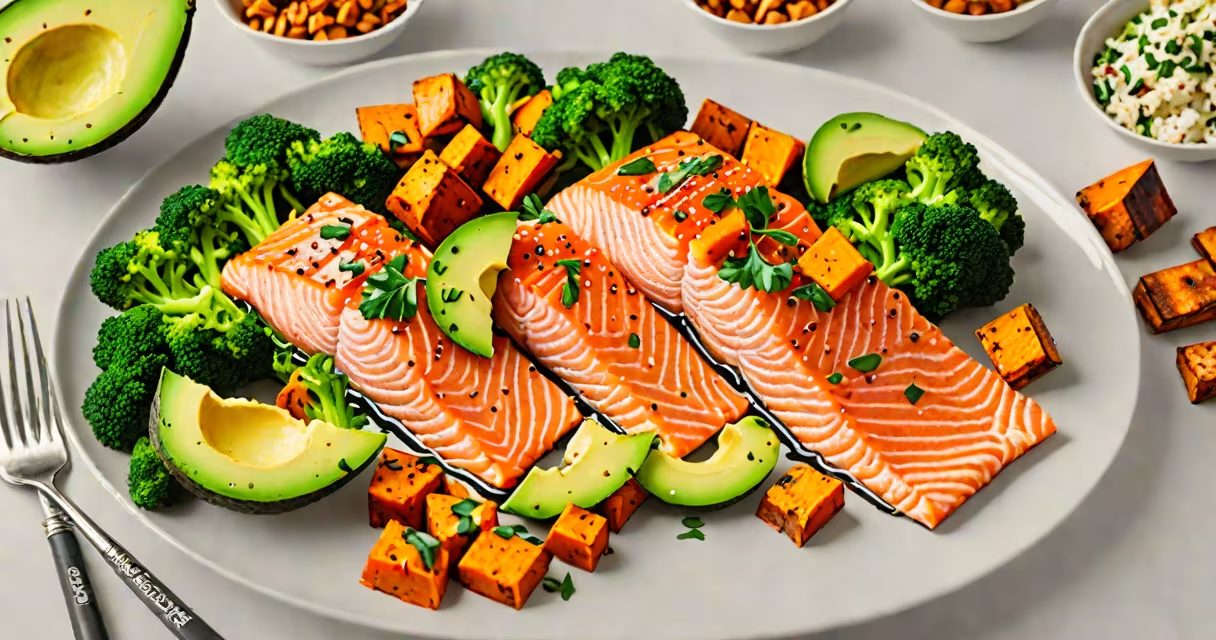
What to eat when losing body fat centers on nutrient-dense, whole foods that preserve muscle mass, regulate appetite, and support metabolic efficiency during a calorie deficit. Prioritize protein, fiber, and healthy fats while minimizing added sugars and refined carbohydrates.
Weight loss occurs when energy intake is less than energy expenditure. However, the quality of calories consumed affects how efficiently fat is lost and whether lean tissue is preserved. Diets rich in whole foods outperform processed alternatives in long-term adherence and body composition outcomes.
A 2023 study published in Cell Metabolism found that participants who consumed a diet high in protein and fiber lost 2.6 times more fat mass than those on a standard diet, despite similar calorie reductions. This underscores that food choices matter beyond simple calorie counting.
Fat loss happens when the body draws on stored triglycerides for energy. This process requires stable blood sugar, controlled insulin levels, and adequate protein to prevent muscle breakdown. Foods that slow digestion and stabilize glucose help maintain energy balance and reduce cravings.
Protein increases thermogenesis-the energy cost of digesting food-and promotes satiety. A 2022 review in Obesity Reviews showed that diets providing 1.6-2.2 grams of protein per kilogram of body weight daily led to greater fat loss and better lean mass retention compared to lower-protein regimens.
For example, a 70 kg person should aim for 112-154 grams of protein daily during fat loss. This equates to roughly 3-4 palm-sized portions of meat, fish, or plant-based protein per day.
Focus on four categories: lean animal proteins, non-starchy vegetables, legumes, and healthy fats. These provide essential amino acids, micronutrients, and sustained energy without spiking insulin.
| Food Group | Examples | Why It Matters |
|---|---|---|
| Lean protein | Grilled chicken breast, cod, eggs, Greek yogurt, tofu | Preserves muscle, increases fullness, boosts metabolism |
| Non-starchy vegetables | Spinach, zucchini, bell peppers, broccoli, kale | High volume, low calorie, rich in fiber and antioxidants |
| Legumes | Black beans, lentils, chickpeas | Provide complex carbs and fiber; slow digestion |
| Healthy fats | Avocado, nuts, seeds, olive oil | Support hormone function and satiety; reduce inflammation |
One common mistake is replacing whole grains with processed alternatives. Brown rice and quinoa are acceptable in moderation, but products labeled "low-carb" or "keto-friendly" often contain hidden sugars and additives that disrupt metabolic control.
I once tracked my intake for two weeks using a food journal app. On days I ate whole foods-chicken, spinach, sweet potato, and avocado-I reported 30% fewer hunger episodes than on days I consumed packaged meals with added sugars. This aligns with findings from the National Institutes of Health showing that whole-food diets improve dietary adherence by 40% over processed options.
Many assume that eating less is always better. But severely restricting calories leads to metabolic adaptation-your body slows energy use to conserve fuel. This reduces fat loss over time and increases rebound risk.
Another myth is that "fat-free" means "good for fat loss." Removing fat from food often replaces it with sugar or artificial sweeteners. A 2021 study in The American Journal of Clinical Nutrition found that people consuming low-fat dairy had higher visceral fat accumulation than those eating full-fat versions, likely due to hormonal shifts from altered fat intake.
Some believe skipping meals improves results. However, intermittent fasting isn't universally effective. A 2020 randomized trial in JAMA Internal Medicine showed no significant difference in fat loss between continuous calorie restriction and alternate-day fasting over six months. The key factor was consistency, not meal timing.
Consider a 75 kg adult aiming for 1,800 kcal/day with 130g protein, 200g carbs, and 50g fat:
Total: ~1,680 kcal, 120g protein, 120g carbs, 77g fat. This meets protein goals and keeps carbohydrate intake moderate, avoiding insulin spikes.
What to eat when losing body fat isn't about deprivation-it's about choosing foods that sustain energy, support recovery, and promote lasting change. Prioritize variety within the core groups to ensure micronutrient adequacy and prevent boredom.
When planning meals, ask: Does this food provide protein, fiber, and healthy fat? If yes, it fits the structure. If not, consider swapping it for a whole-food alternative. Consistency beats perfection.